KPMG's TaxBot development consumed months of drafting a 100-page prompt
Partner-written tax advice had been scattered across countless laptops
KPMG Workbench hosts multiple LLM models from competing vendors
When large language models began attracting global attention in late 2022, KPMG’s digital leaders immediately recognized potential benefits but also major risks.
Chief digital officer John Munnelly admitted that first experiments with ChatGPT produced “really scary” results, including the discovery of sensitive financial data sitting unsecured on internal servers.
That incident caused the firm to suspend experiments, restrict access to public AI tools, and reassess the dangers that uncontrolled deployment might introduce.
Building a private AI platform
KPMG subsequently began constructing a closed environment for AI work, supported by software licenses that allowed access to OpenAI and Microsoft systems.
This move gave the consultancy a chance to design applications within safer boundaries, eventually leading to a platform called KPMG Workbench.
The system combined retrieval-augmented generation, multiple LLM options, and agent hosting capabilities.
Rather than depending on a single vendor, the firm deliberately spread usage across OpenAI, Google, Microsoft, Anthropic, and Meta.
Throughout 2023, extensive effort was devoted to training employees on how to write prompts effectively and interact with AI writer systems.
By 2024, the Australian arm of KPMG initiated projects to build specialized agents. Among them was the so-called TaxBot, a tool designed to prepare tax advice.
Munnelly explained that development began by gathering partner-written advice that had been “stored all over the place,” often scattered on laptops.
That information, combined with Australia’s tax code, was placed into a RAG model to produce automated drafts. TaxBot, however, was not trivial to construct.
According to Munnelly, its creation required a 100-page prompt, drafted over months by a dedicated team, and ultimately fed into Workbench.
The result is a system that requests several inputs, seeks guidance from human experts, and then generates a 25-page document for client review.
Munnelly claimed the agent now performs tasks that once took two weeks in a single day, a change he described as “very efficient.”
He suggested that quick turnaround is particularly important for clients engaged in time-sensitive deals such as mergers.
Yet he also emphasized that only licensed tax agents are permitted to operate the tool, acknowledging that output without professional oversight is not suitable for general users.
Beyond efficiency, KPMG argues that the introduction of agents has boosted staff satisfaction, since repetitive tasks can be avoided.
Additionally, some clients have expressed interest in acquiring similar agents, generating revenue streams KPMG did not originally anticipate. Nevertheless, the firm concedes that measuring precise benefits remains difficult.
It feels like only yesterday that the internet was abuzz with the news that Xiaomi – best known for its smartphones, watches and wearables – smashed the electric production car record at Germany’s infamous Nurburgring.
The SU7 Ultra beat the formidable Porsche Taycan Turbo GT and the $2.5m Rimac Nevera, as well as shaming the Tesla Model S Plaid, itself a car that embarrassed many dedicated performance brands when it set a blistering time back in 2021.
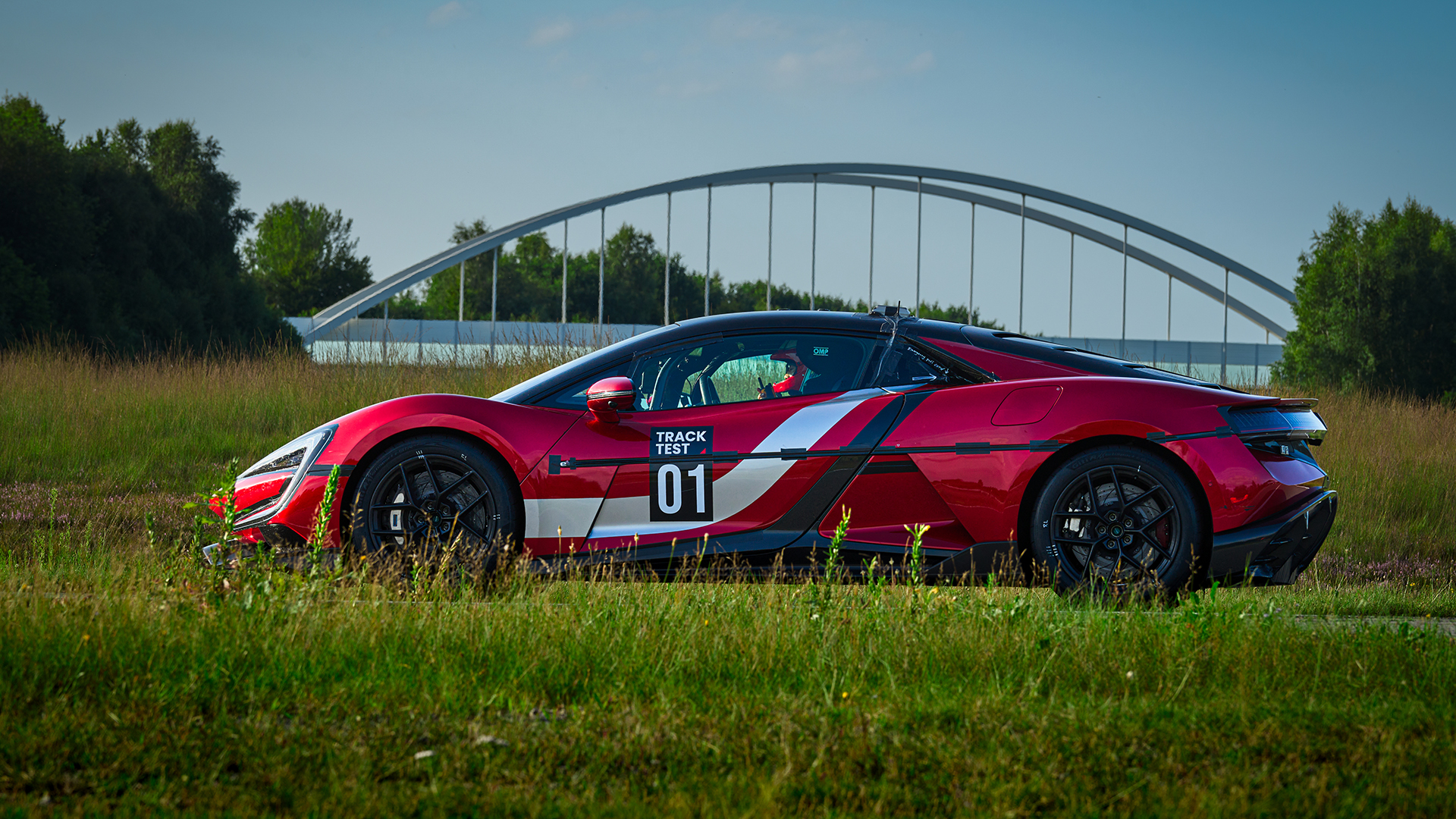
Now Yangwang has performed a similar feat, breaking an EV top speed record by hitting an eye-watering 293.54mph at the ATP test track in Germany.
It beat previous records held by the Aspark Owl and the Rimac Nevera. Yup, another blow to the brand whose CEO is now head honcho at Bugatti.
The fact that the Xiaomi SU7 bettered a Porsche Taycan Turbo GT on its very first lap around the Nurburgring is mildly embarrassing
The Yangwang U9, which is just one model from the high-performance sub brand of BYD, is particularly impressive given its ground-breaking electric powertrain. The Track Edition that set the record features four motors, each of which develops a staggering 744bhp.
Total output tickles almost 3,000bhp, while the clever torque vectoring system ensures the majority of this grunt can be delivered to the road by monitoring and adjusting torque to each wheel more than 100 times a second.
There’s also a DiSus-X Intelligent Body Control System, which automatically adjusts the suspension system for maximum grip and reduction of pitch and roll. The same tech enables the standard road-going car to leap over potholes.
(Image credit: Yangwang/BYD)
What’s more, Yangwang says it is pioneering a 1200V ultra-high-voltage vehicle platform in this car, one that has been optimized to handle the sort of extreme battery discharge scenarios experienced during a high-speed record attempt.
China clearly has a stranglehold on battery technology and is currently leagues ahead of western automakers in both the chemistry and production capabilities
Right now, an 800V system is considered cutting-edge and is enough to see batteries brimmed in under five minutes from the most powerful charging stations. Yangwang didn’t go into any details, but we expect this U9 Track Edition can slurp juice from a MegaWatt charging station at astonishing rates.
There is also no word on what the bespoke Track Edition would cost a private buyer, but the ‘standard car’, complete with some 1,300bhp, went on sale in 2024 priced at 1.68 million Yuan (or around $236,000 / £193,000 / AU$400,000).
To put that into perspective, that is more than the current Ferrari F80, which cost almost $4 million if you were lucky enough to get invited to buy one.
Shifting perceptions
(Image credit: Porsche)
Despite the impressive feats demonstrated by both Xiaomi and Yangwang, the general sentiment among US and European performance car enthusiasts is that the threat is largely overhyped, that it’s "easy to make electric cars go fast in a straight line" or that nobody is going to spend their hard-earned cash on something badged Yangwang.
While it is true that brand value remains arguably one of the most important factors when it comes to the world of luxury and performance cars (Ferrari’s profits hit $2.67 billion last year), the age of electrification is changing all of that and the Italian marque might not experience the same success when it launches its debut EV this year.
I lost count of the number of times the phrase 'Temu Ferrari' was banded around the comments sections
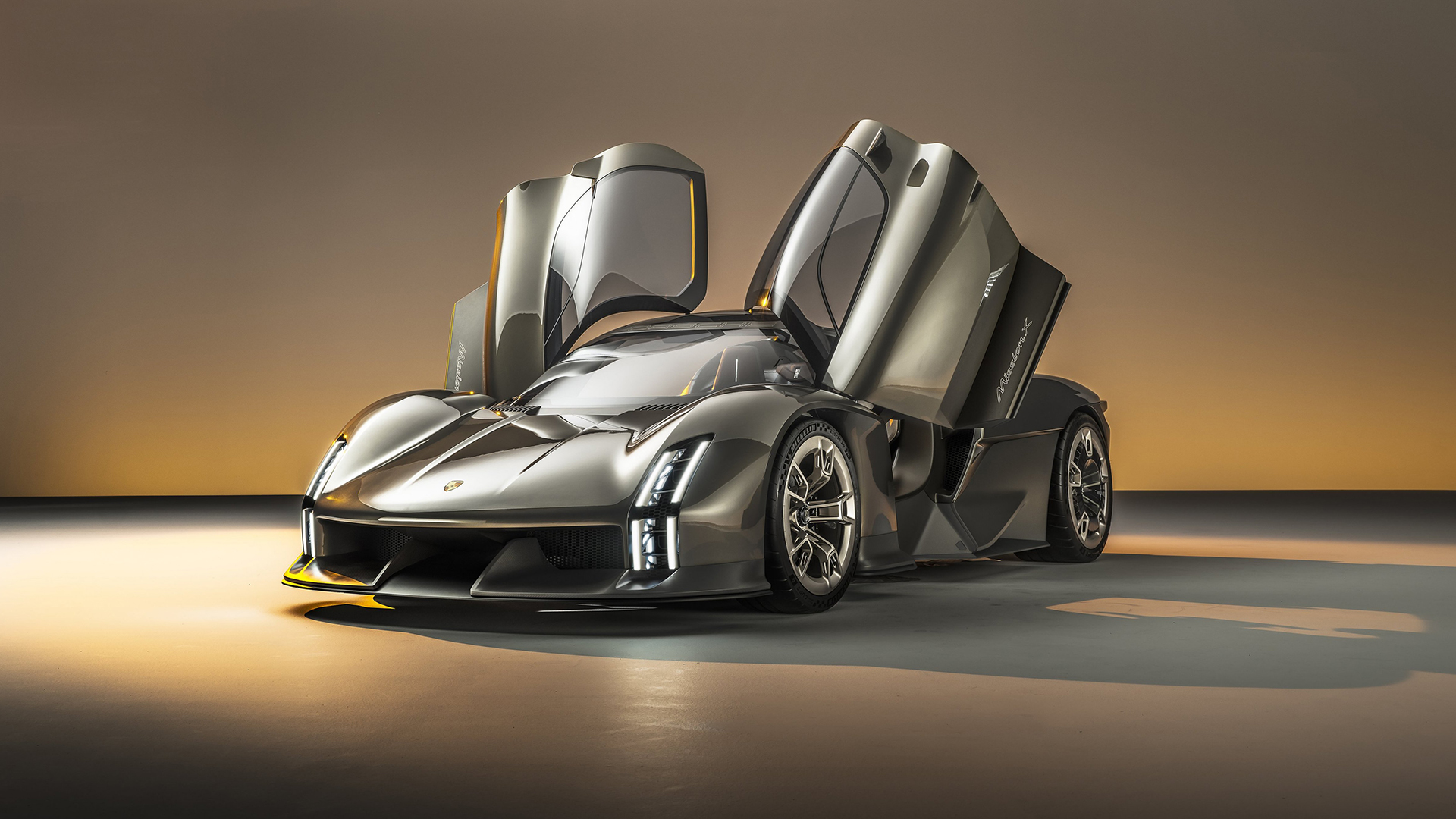
Porsche said this week that it has scrapped its Cellforce high-performance battery division, which was set up to produce the sort of next-generation cells that would power upcoming electric hyper cars, such as the previously-teased Mission X concept.
The German sports car-maker said that a "global lack of volumes" means that it is not financially viable to proceed with its plans to develop its own batteries. It has also slowed its transition to purely electric vehicles, as customer demand has been relatively weak.
Performance that doesn't cost the earth
(Image credit: Xiaomi)
China clearly has a stranglehold on battery technology and is currently leagues ahead of western automakers in both the chemistry and production capabilities, but it is also proving that it now has the technical knowhow to produce brutally capable electric performance cars.
The fact that the Xiaomi SU7 bettered a Porsche Taycan Turbo GT on its very first lap around the Nurburgring is mildly embarrassing, especially for a brand that has been building and racing cars for over 75 years.
Chinese brands are already busy making the electric vehicle more affordable for the masses, but it is also on a mission to democratize performance
Similarly, Yangwang looks like it has the technological prowess to produce a version of the U9 that could crack the 300mph max speed barrier – something that was achieved by the physics-defying, $4million+ Bugatti Chiron Super Sport just last year.
Put simply, China is busy smashing electric vehicle records and many are still adamant that the brands are somehow substandard or cheaper replicas. I lost count of the number of times the phrase 'Temu Ferrari' was banded around the comments sections of various news coverage.
Chinese brands are already busy making the electric vehicle more affordable for the masses, but it is also on a mission to democratize performance. A fact that has many of the most revered brands heading back to the drawing board.
In China, both the Yangwang U9 and Xiaomi SU7 have proven to be huge sales successes for the two brands, as the domestic market naturally pivots towards the latest technological advances.
It's still yet to be seen whether the rest of the world even wants high performance EVs of this nature – but if it does, China will be there to offer them at a fraction of the price.
It probably hasn't escaped your attention that Windows 10 support expires on October 14, 2025. Given that, there's precious little time left before those who remain on the operating system without taking any action will be left with no security updates. Those patches are vital protection for your system, and without them, an unsupported version of Windows is open to new vulnerabilities and potentially being compromised.
If you want to stick with Windows 10 – maybe you dislike Windows 11, or your PC is unable to run it – then there are actually a few options for getting additional support for an extra year. This will carry you through to October 2026, giving you more breathing room to decide on the next step for your Windows 10 PC.
These options can be accessed via the Extended Security Updates (ESU) program that Microsoft revealed late last year, which is being offered to consumers for the first time. (Previously, this scheme was for businesses only.)
You'll have three choices – one of which is completely free, though it has a small catch – so let's go over those next before addressing the issue of how you actually sign up for the ESU scheme (which is causing confusion for some people).
(Image credit: Shutterstock - Wachiwit)
ESU Option 1: Free updates via syncing PC settings
This is the route I'll be taking, and I imagine it'll be the preferred option for a lot of Windows 10 users. This way, you don't need to pay anything at all for the extra year of support: Microsoft just asks that you sync your PC settings to OneDrive (via the Windows Backup app).
Note that you don't have to back up all your PC's data, only the settings. I've seen some confusion about this online, with people not keen on 'giving Microsoft all their data' - you aren't doing this, rest assured. You do have to share your PC settings, though, and you will, of course, need to be signed up for a Microsoft account.
ESU Option 2: Use Microsoft Rewards
If you've accumulated Microsoft Rewards points, which are accrued by using Bing or other Microsoft services, or spending at the Microsoft Store, you can use these to pay for the ESU scheme. It'll cost you 1,000 Microsoft Rewards points.
ESU Option 3: Pay $30
If you don't have Microsoft Rewards points and absolutely refuse to sync anything with Microsoft, then the only remaining option is to pay for the extra year of extended support. It'll cost $30 or the equivalent in your local currency. Note that even if you pay for extended support, you'll still need a Microsoft account.
(Image credit: Shutterstock/fizkes)
I can't see the ESU scheme anywhere - how do I sign up?
You sign up for the ESU program by clicking a link in the Windows Update panel. Just search for 'Windows Update' in the taskbar search box (or Settings), and when you're in the panel, you might see an option to 'Enroll now' for Extended Security Updates on the right-hand side of the screen.
Notice I said that you might see it, because here's the thing: Microsoft has only begun rolling out this option right now. As Microsoft recently clarified, it's a slow-paced rollout, meaning a lot of folks can't see it yet, myself included (at the time of writing). However, rest assured that it's coming; you'll just have to be patient.
Microsoft has promised that the ESU enrollment wizard will appear on all Windows 10 PCs before the support deadline expires in mid-October. So most likely, you'll see it on your PC in September at some point (possibly after that month's update). Just keep checking back in Windows Update and it'll turn up eventually, or it should do, barring any weirdness or bugginess on Microsoft's part (which can't ever be fully ruled out).
Whatever you do - don't do nothing
Make sure you know what you want to do in terms of getting extended updates, and keep checking back to sign up for the ESU program. Whatever you do, don't just stay on Windows 10 after October 2025 with no updates provided, because as time ticks on, you'll increasingly be running a greater risk. The more months that pass by, the more security holes that may be revealed and remain unpatched, possibly opening the door for your Windows 10 PC to be hacked in some way.
If you don't get extended updates for Windows 10 sorted, or don't like any of the options, and don't want to upgrade to Windows 11, then look at moving to another platform. A Windows-like flavor of Linux might be your best bet.
One of the hardest 'skills' in photography is often staying motivated to keep shooting. Once you've learnt the fundamentals, how do you keep that spark of beginner enthusiasm? It can be easy to fall into a rut and stop shooting completely. That's what happened to me, so a few months ago I took the nuclear option and gave my old Fujifilm X-T3 an infrared conversion.
There were definitely simpler, cheaper alternatives, but I justified the decision in a few ways. Firstly, my old X-T3 was gathering dust and I needed to either sell it or give it a new lease of life. Secondly, I have a bad habit of throwing money at creative blocks and couldn't justify buying any more lenses. But most importantly, I live in the UK and was summertime was on the horizon.
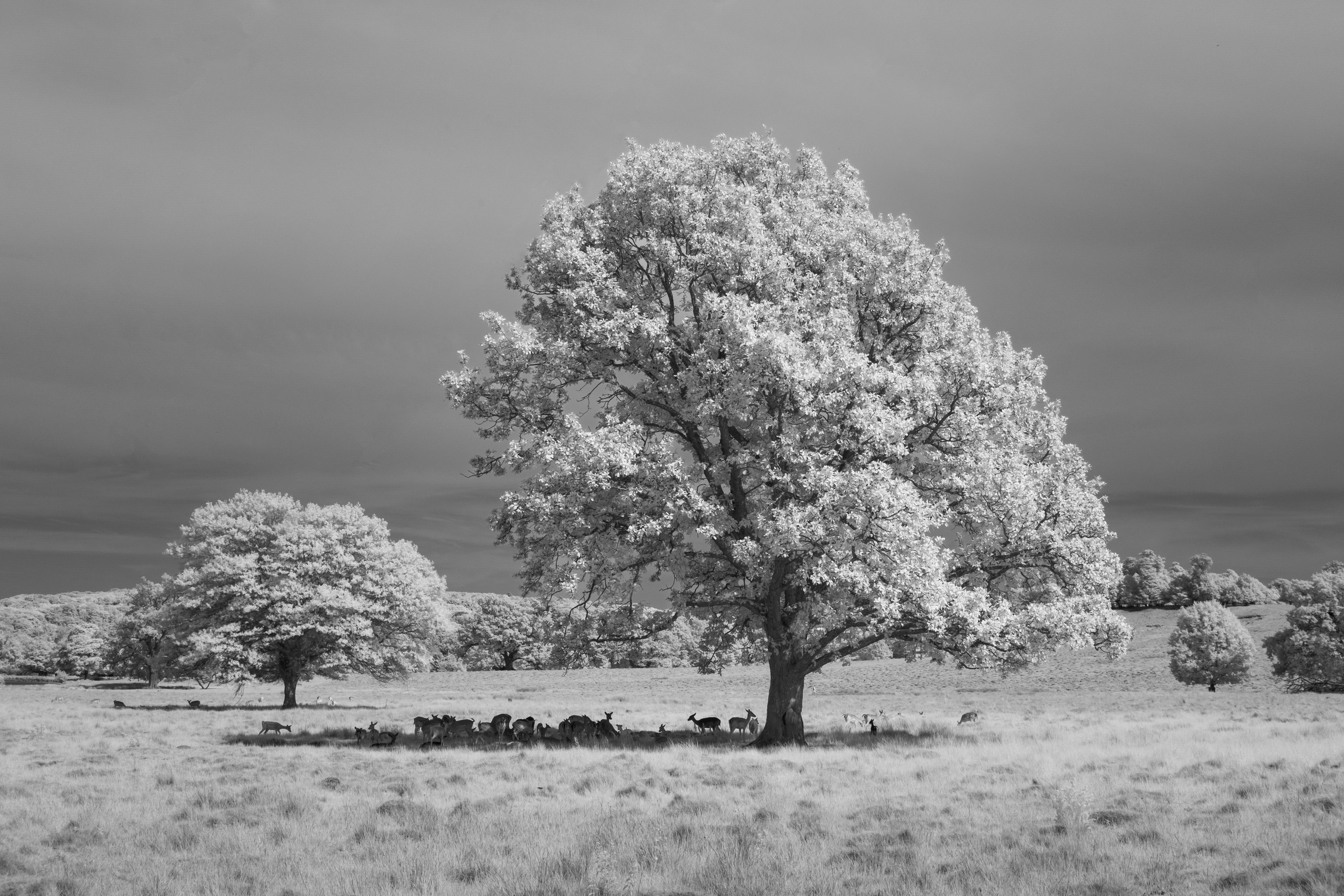
1/2000s at f/8, ISO 160. I soon learned that darker leading lines usually work best with infrared photography.(Image credit: Mark Wilson / Future)
Photographers often recoil from the summer like vampires because of the harsh light and ludicrously early sunrises. But this is actually the season where infrared photography shines. Sunlight is bursting with 'near-infrared' light, whose wavelengths are invisible to the human eye. Yet with the right kit, you can capture this light – and see the world in new and strange ways.
It's still early days for my infrared adventure, but I'm very glad I took the plunge – and if you're similarly looking for a refreshing vacation into the surreal, then it could be for you too...
Instant snow mode
Infrared photography is, like astrophotography, a world unto itself. You could spend days learning the theory of 'false color', 'channel swapping' and 'hot spots' without even taking a photo. I wanted to keep things simple, so I took the easiest route.
There are broadly two kinds of infrared photography and two ways to get into it. The psychedelic kind, which was big on 1960s albums covers, is 'false color'. It's called 'false' because the human eye can't see infrared light, so color is added using editing techniques – and the results can be very strange indeed.
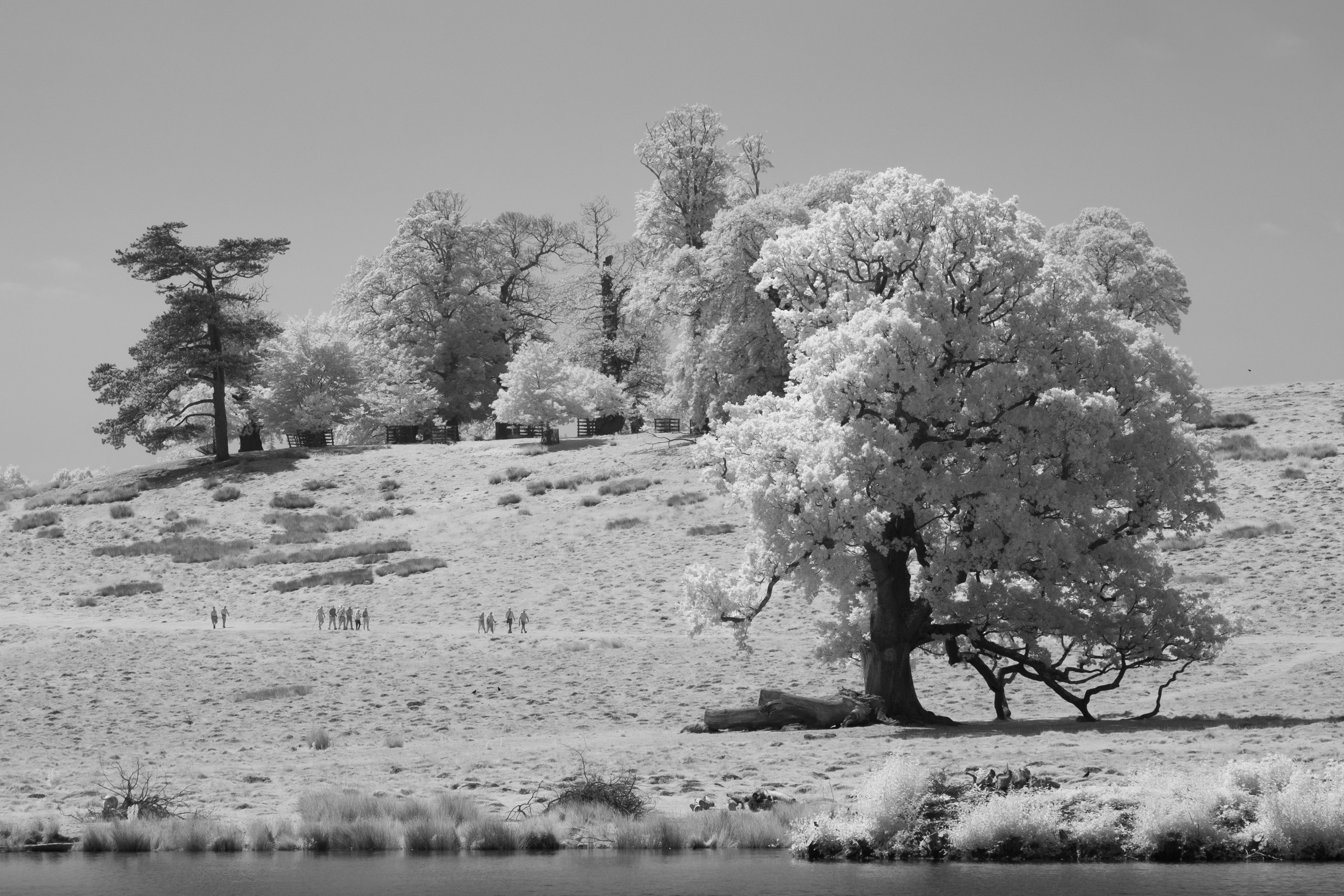
1/1000s at f/9, ISO 160. I've shot in London's Richmond Park many times, but it was refreshing to get infrared's almost graphical take on the cycling hotspot.(Image credit: Mark Wilson / Future)
For me, pink trees and blue grass is just too big a leap into the strange, so I leaned towards black-and-white infrared photography. This still has the surreal element of glowing leaves and dark skies, but without going full Salvador Dali. Plus, as someone who doesn't typically shoot in monochrome, it gave me a bonus challenge.
So how do you start an infrared adventure? The cheaper and arguably more sensible option is to use lens filters, which you can buy from the likes of Hoya and Urth. But the downside is that these drastically cut the amount of light coming into your lens, so you usually have to use a tripod and long exposures.
This didn't really work for me, because the big appeal of infrared was the simplicity – heading out at a reasonable hour on a sunny day and shooting black-and-white. So I took the other option of converting an old camera.
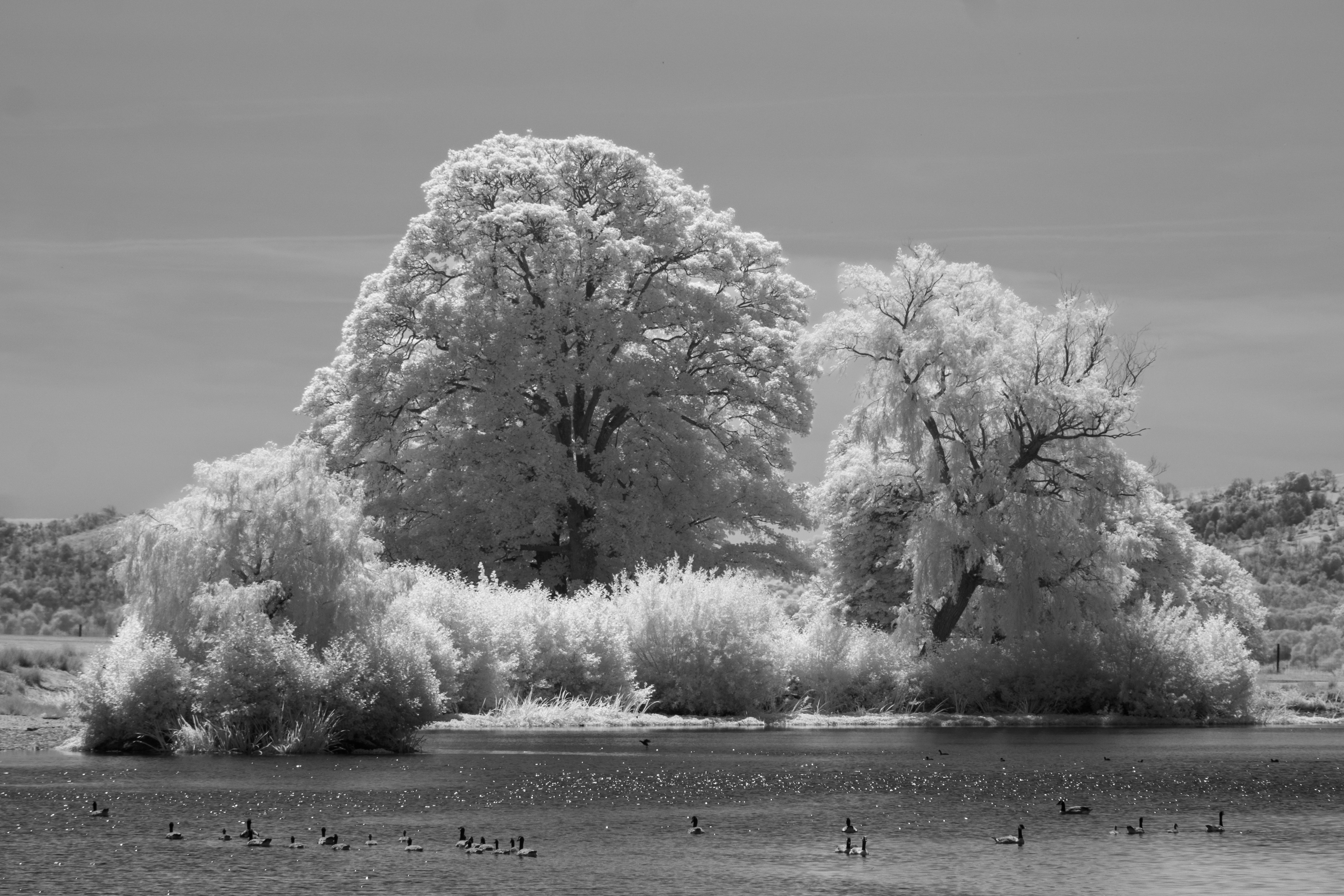
1/800s at f/8, ISO 160. Complex scenes don't always work well in infrared photography, but high-contrast light helps – and the XF70-300mm lens works well with IR cameras.(Image credit: Mark Wilson / Future)
Being based in the UK, I found Protech Photographic, who converted my Fujifilm X-T3 for £300 (around $410 / AU$620).
The likes of Kolari offer a similar service in the US, though I can't vouch for the quality. The DIY route is also possible, but definitely not for the faint-hearted (or ham-fisted).
Image 1 of 5
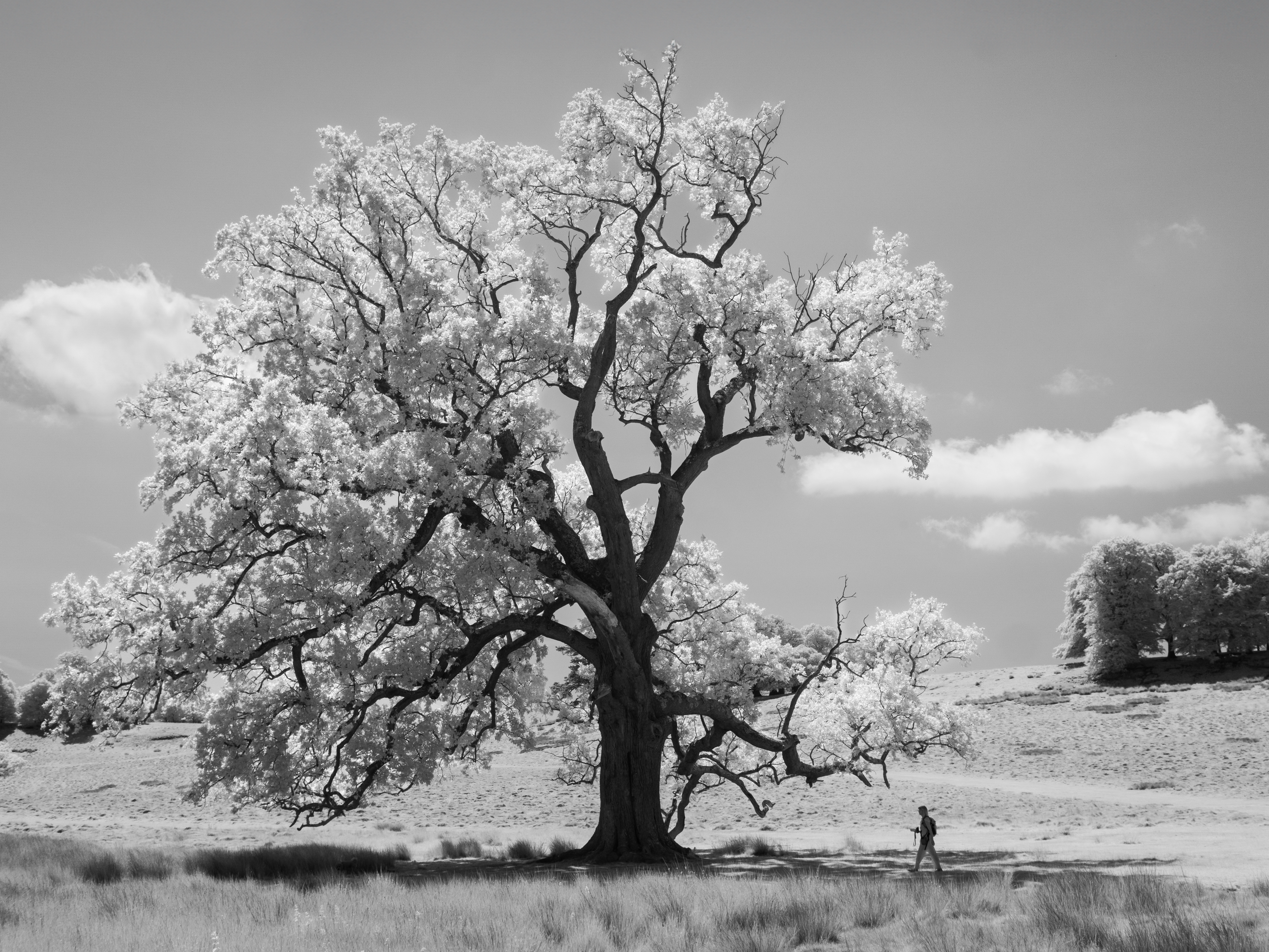
1/640 at f/8, ISO 160. I'd like to return to Petworth Park in the UK as it's a bit of a goldmine for IR photography.(Image credit: Mark Wilson / Future)
Image 2 of 5
(Image credit: Mark Wilson / Future)
Image 3 of 5
(Image credit: Mark Wilson / Future)
Image 4 of 5
(Image credit: Mark Wilson / Future)
Image 5 of 5
(Image credit: Mark Wilson / Future)
What is infrared?
(Image credit: Shutterstock / petrroudny43)
Infrared has a longer wavelength than 'visible light', which is what the human eye can see. The world reflects infrared light differently, which is why trees glow and skies darken. Most IR-converted digital cameras capture 'near infrared' light, rather than the extreme end that's used by thermal cameras or night vision.
Before you get to go out and become obsessed with glowing trees, there is one final decision – what kind of IR conversion you want. These are categorized in wavelengths (measured in nanometers) and you'll need to choose the right one to match your preferred style of photography.
They start at 590nm and go up to 'full spectrum', but 720nm is often the most popular for black-and-white IR snapping because it strikes a good balance between letting through infrared light without going too extreme – so that's what I went for.
Beginner fun
So why bother with all of this? I've found infrared to be the spark I needed to get me shooting again and thinking about snapping in new ways. For me, it’s been like discovering a new guitar tuning – it doesn’t instantly make you ‘better’ in any way, but it does (quite literally) help you see something familiar in a new light.
Infrared naturally comes with its own pitfalls and learning curve. When I first looked through my viewfinder – using Fuji’s monochrome film simulation to preview the final image – everything looked incredible. It was like waking up to fresh snow, except snow rarely looks as good in photos as it does in real life.
1/800s at f/9, ISO 160. Having a darker anchor point definitely helps with infrared photos on bright days.(Image credit: Mark Wilson / Future)
I took reams of bad shots of glowing trees (an effect called ‘halation’) before I started to understand infrared’s strengths.
Good black-and-white photography comes from understanding luminosity and contrast, and infrared flips the world upside down. Bright skies turn black, and tree foliage glows. It takes a while to lock your eye in, but that’s part of the fun. It gives you a taste of that beginner joy again.
Once I'd got going, my other question was simply – what is the actual point of infrared photography? That's taken a bit longer to work out. There’s nothing wrong with taking surreal, pretty photos for the sake of it, but my best images came when I started to see scenes that worked with infrared's strengths – and that was helpful in a few particular cases.
Embrace the weirdness
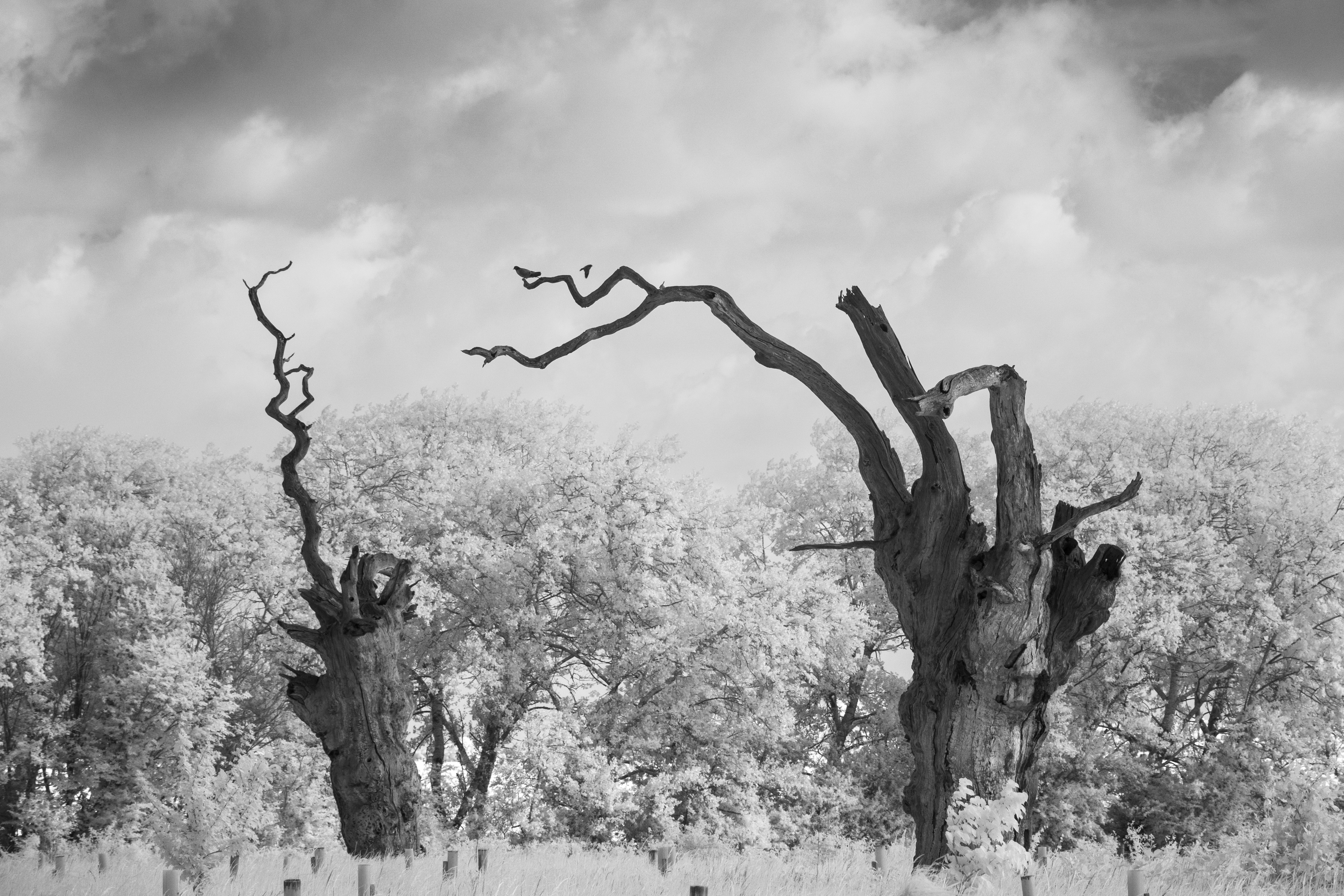
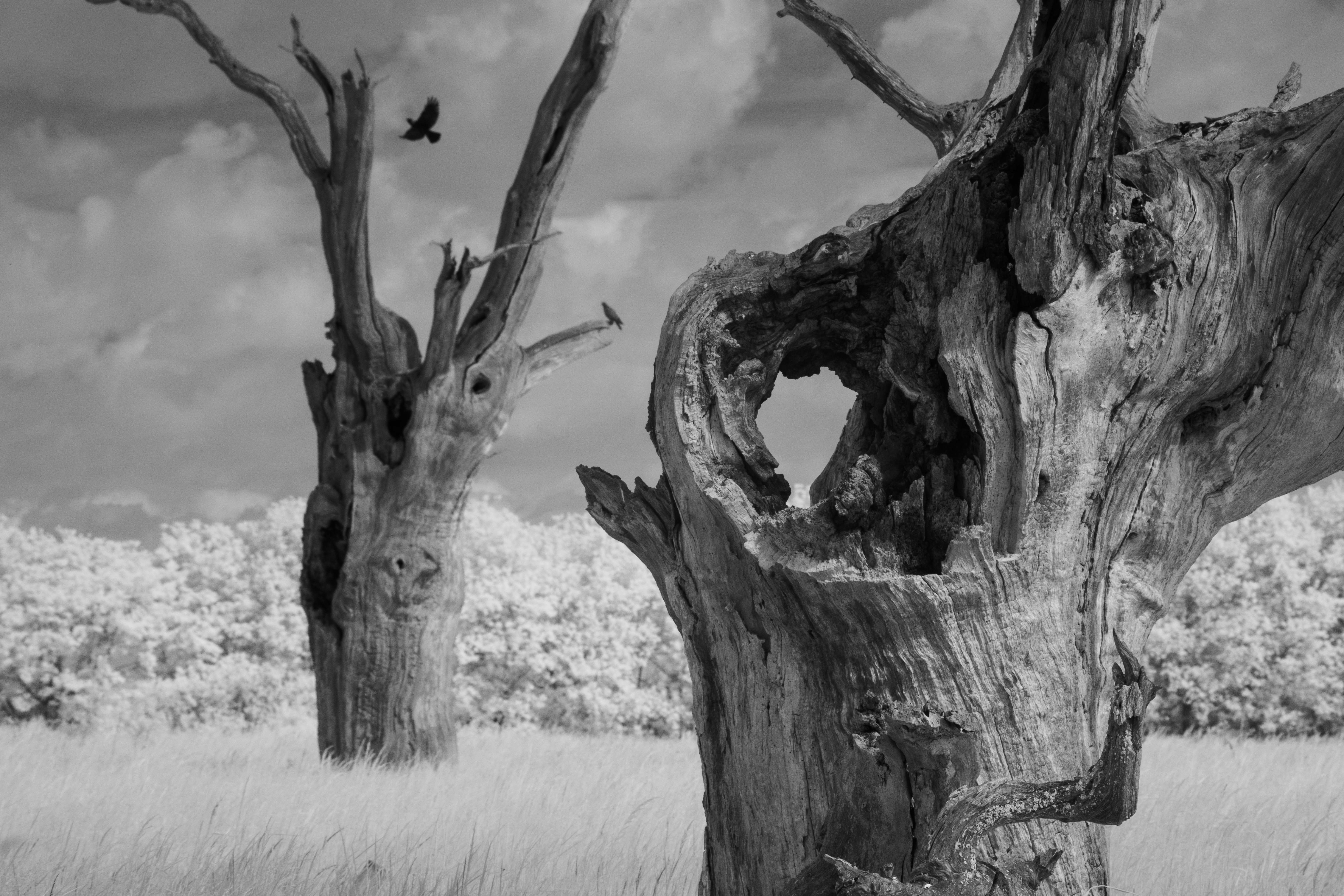
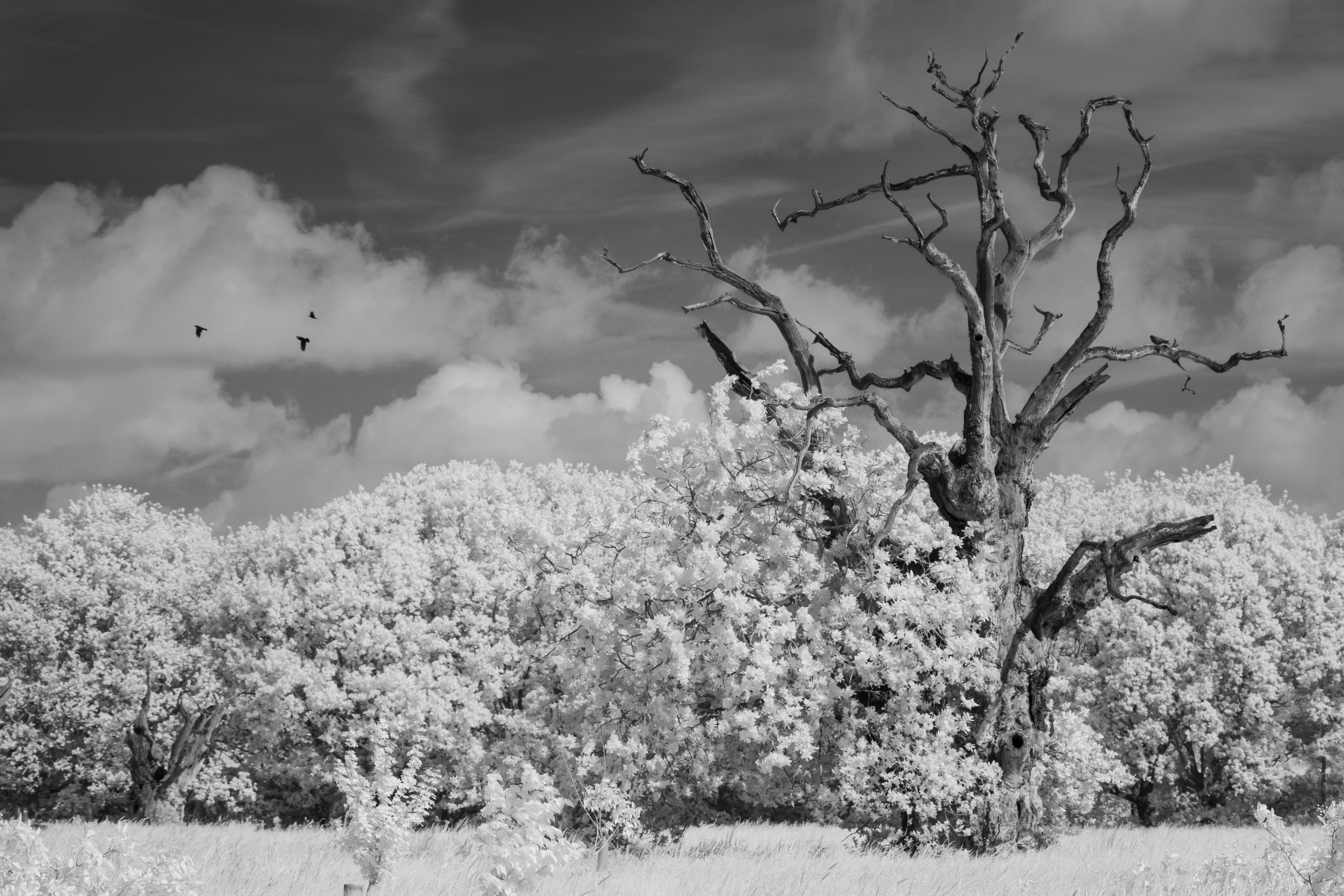
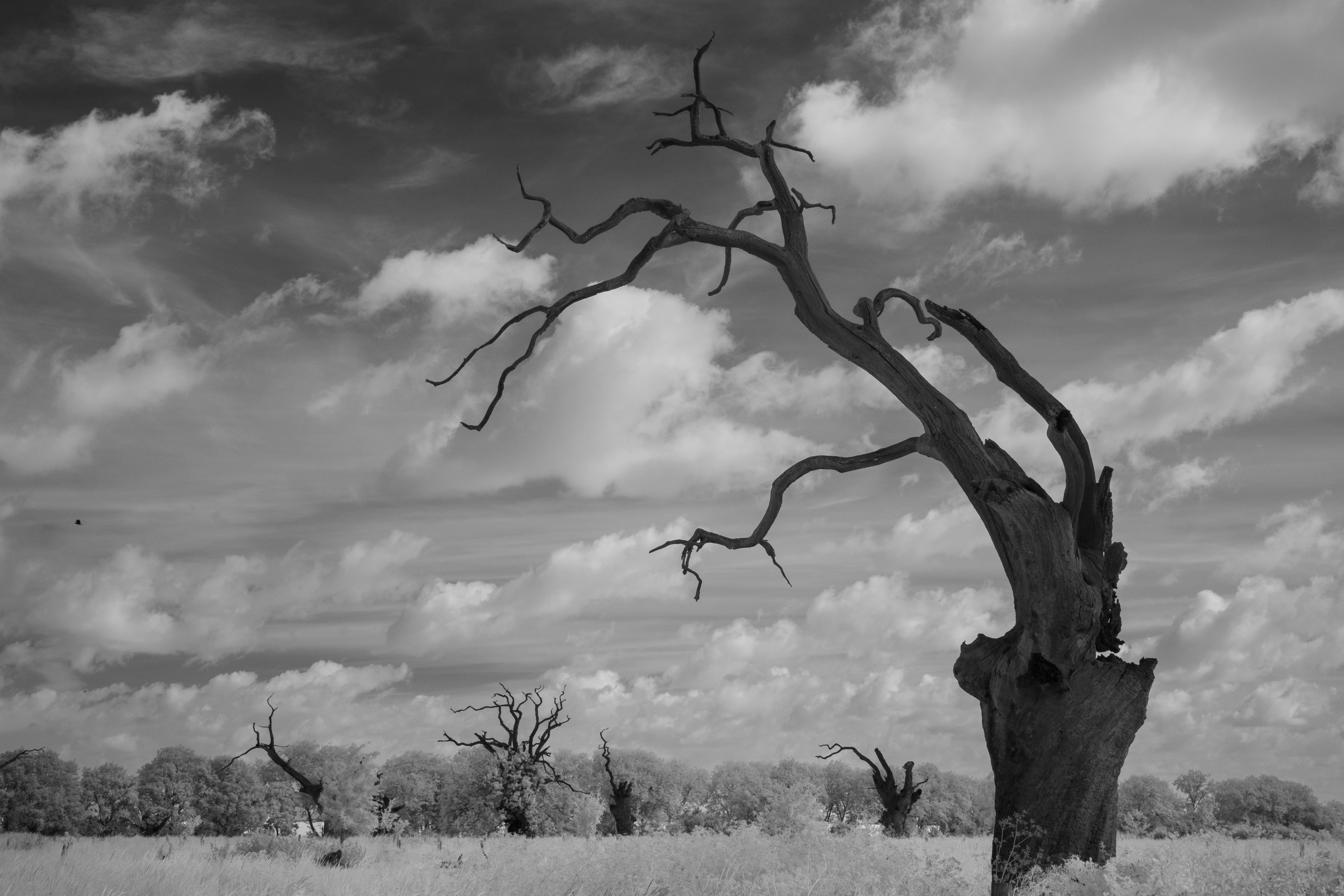
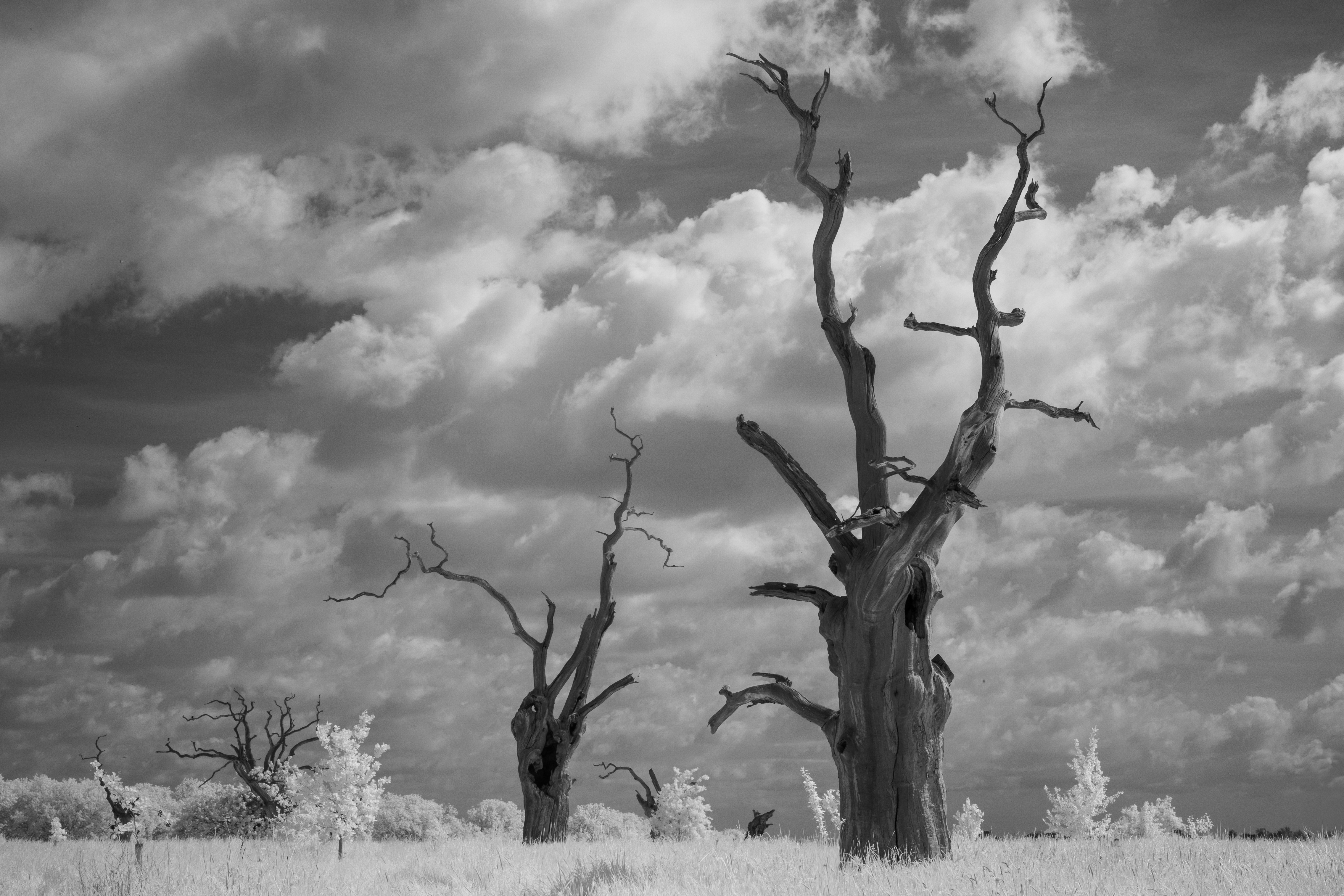
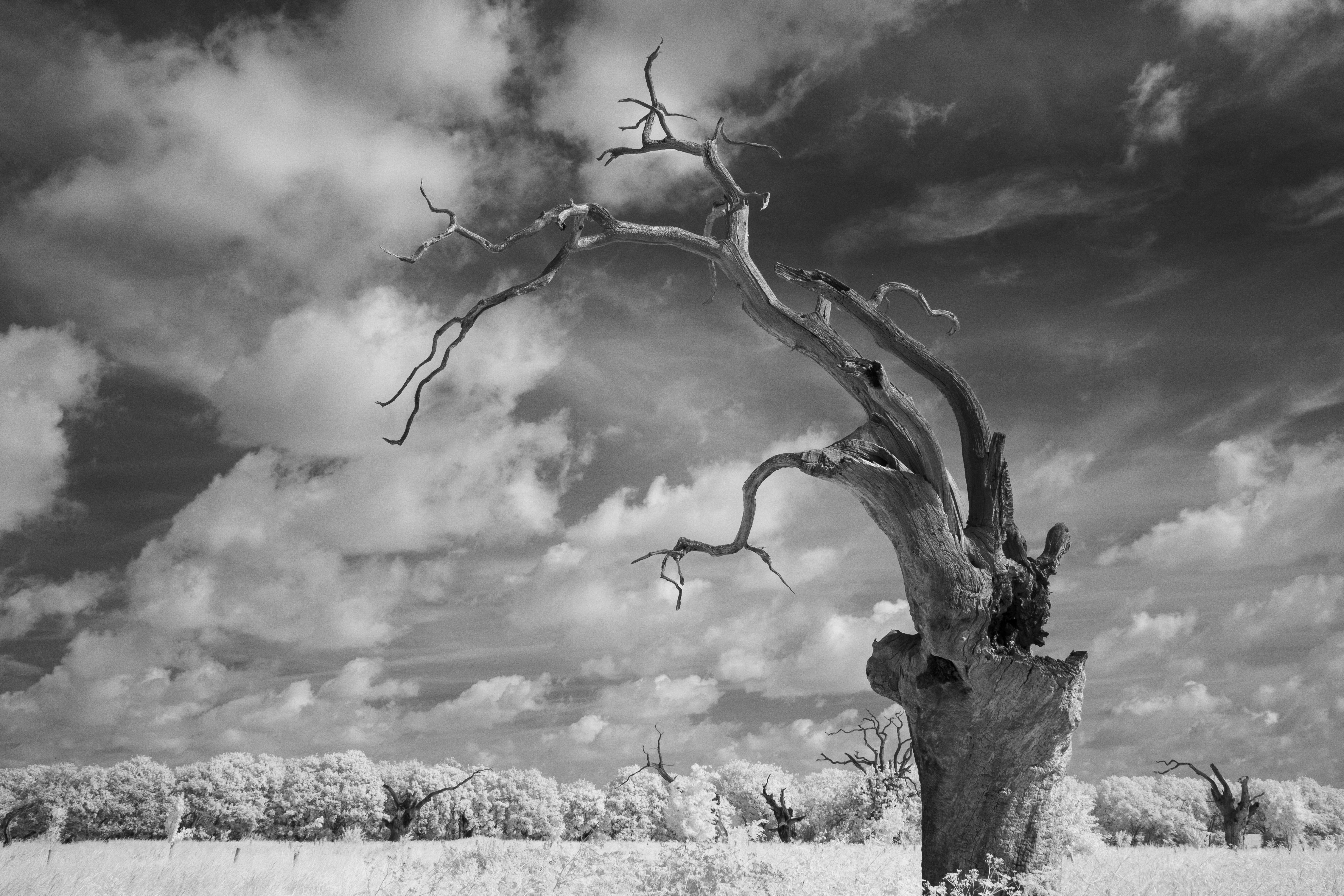
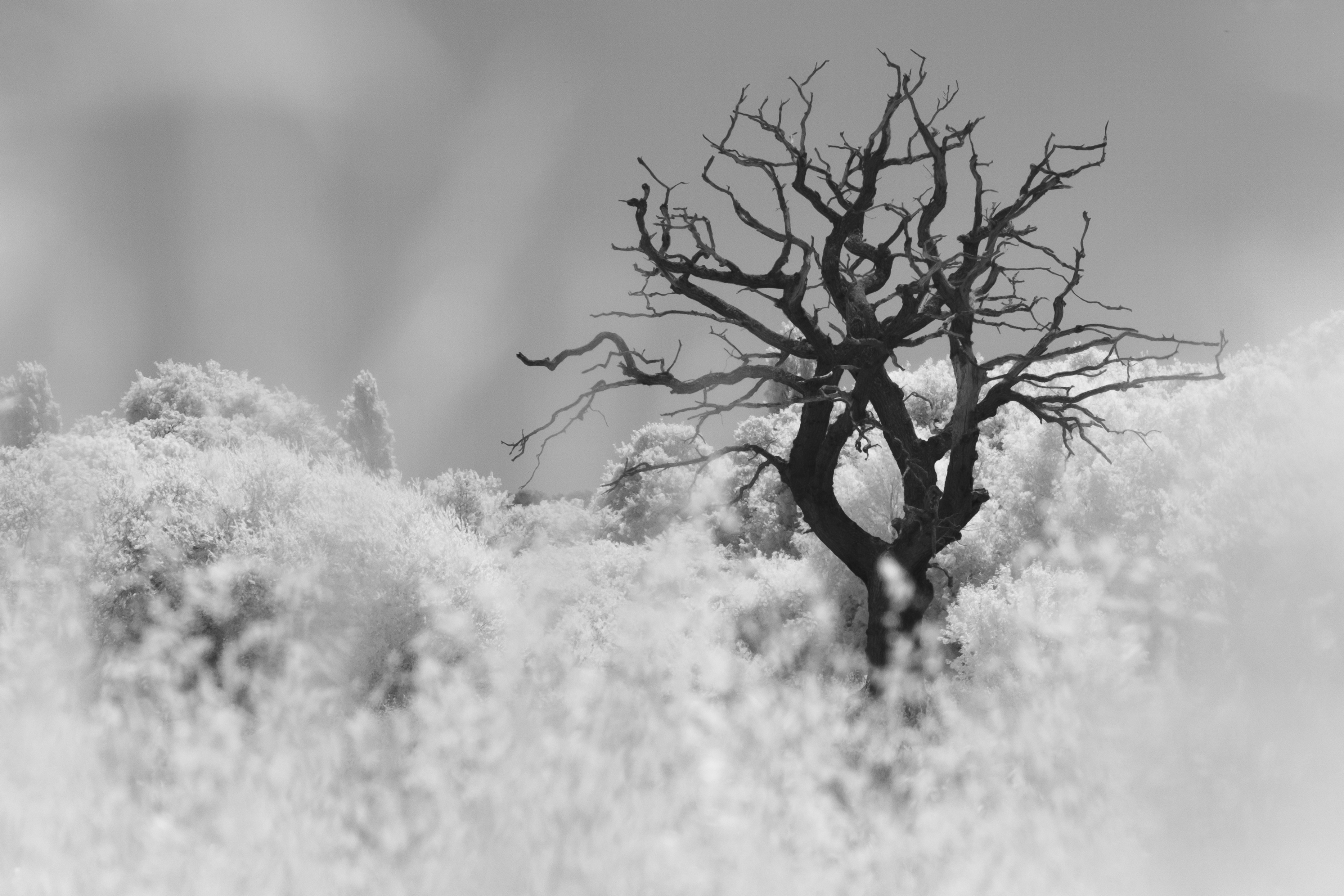
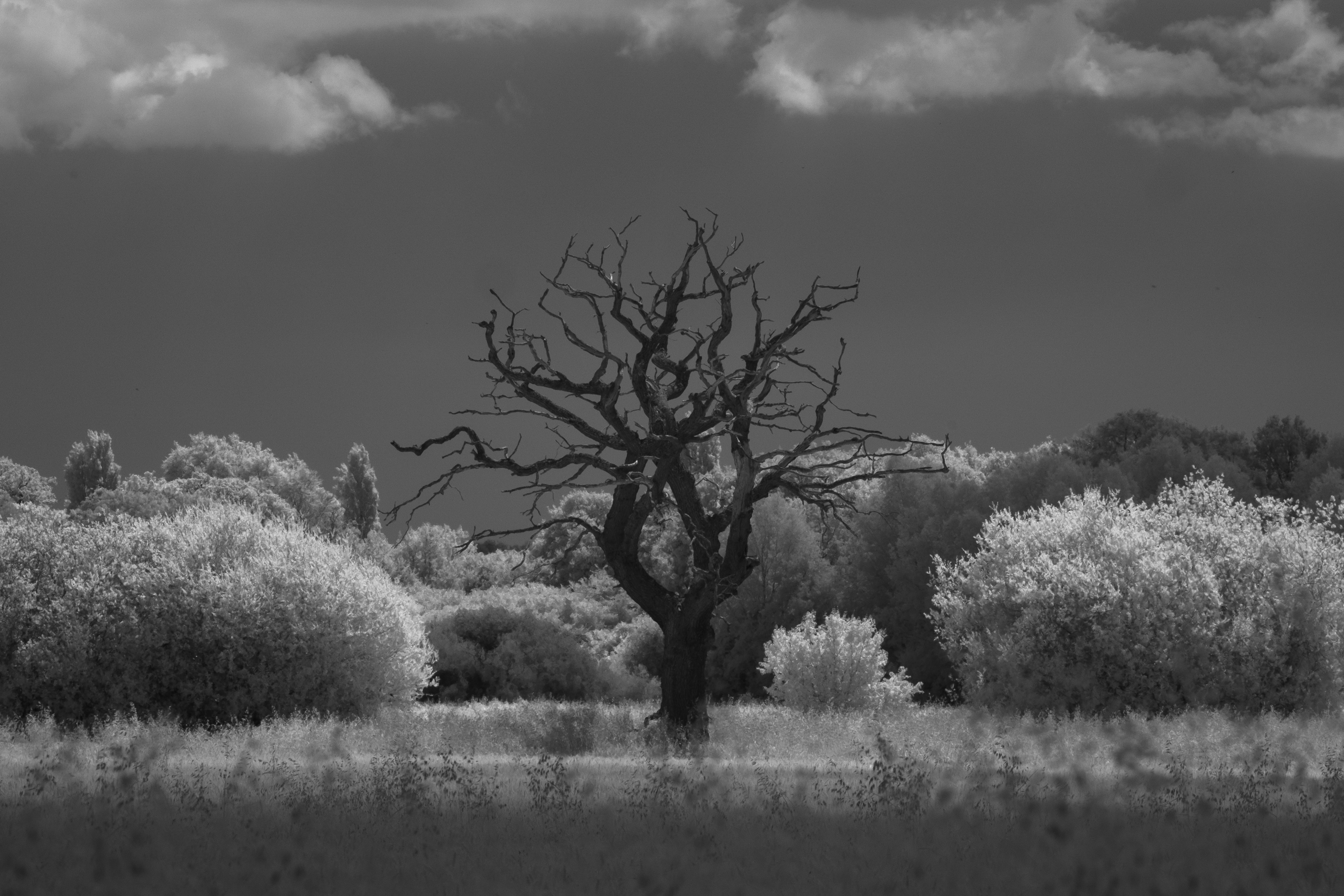
I’d been looking to shoot a photogenic group of petrified oak trees in Essex, England which date back to around the year 900. The place definitely has an eerie atmosphere that apparently inspired the Martian landing scene in The War of the Worlds.
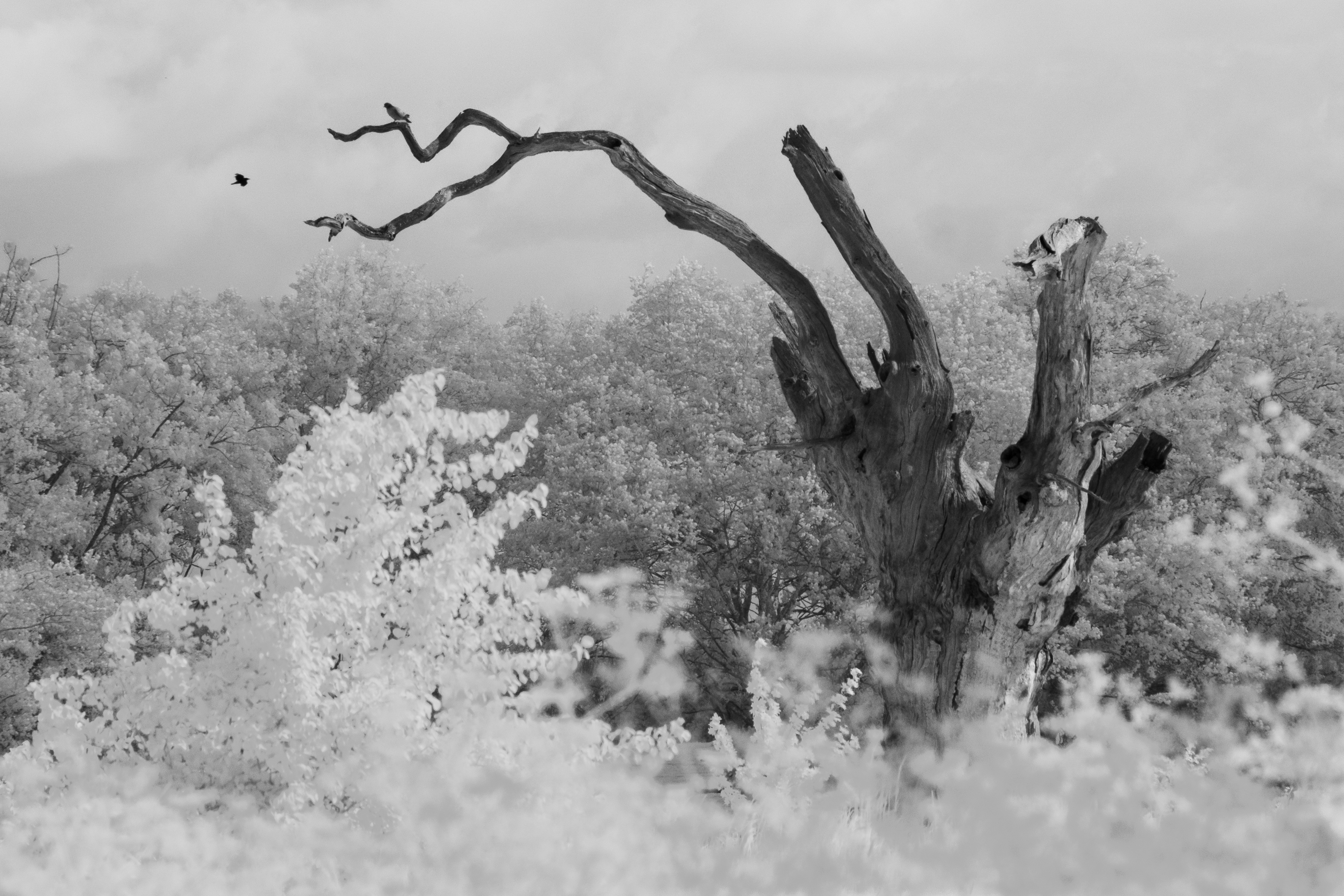
Shooting in early summer wasn't ideal, but this is where infrared can help – and it's also a good match for scenes that already have an otherworldly look. If your subject is dark and striking, then bright foliage can help support it and also bring out the 'personalities' of trees, if that doesn't sound too new age.
Image 1 of 7
1/500s at f/10, ISO 160. This is another scene I'd like to return to in different light, although the ancient trees are understandably protected now so a zoom lens like the XF70-300mm is a must.(Image credit: Mark Wilson / Future)
Image 2 of 7
(Image credit: Mark Wilson / Future)
Image 3 of 7
(Image credit: Mark Wilson / Future)
Image 4 of 7
(Image credit: Mark Wilson / Future)
Image 5 of 7
(Image credit: Mark Wilson / Future)
Image 6 of 7
(Image credit: Mark Wilson / Future)
Image 7 of 7
(Image credit: Mark Wilson / Future)
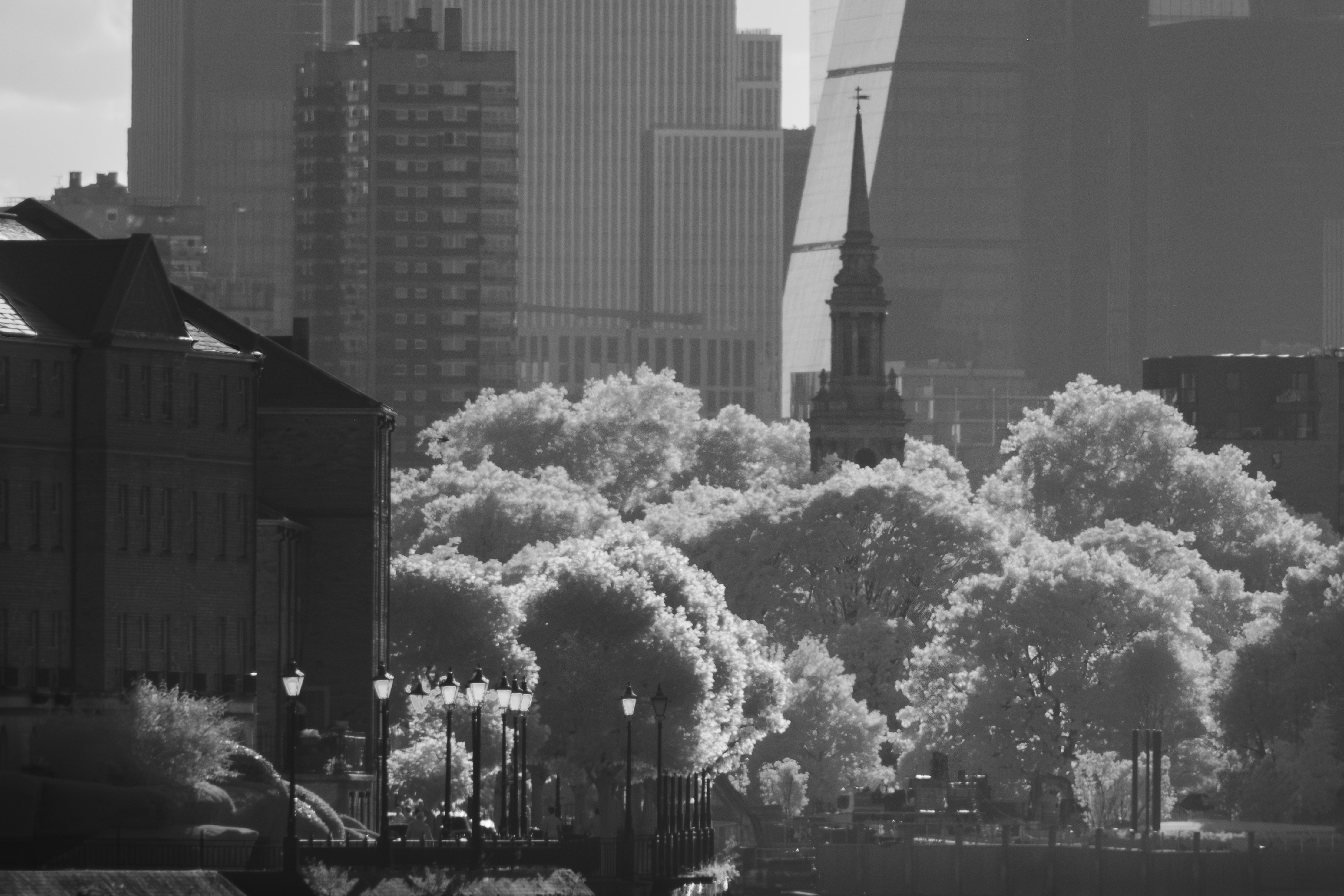
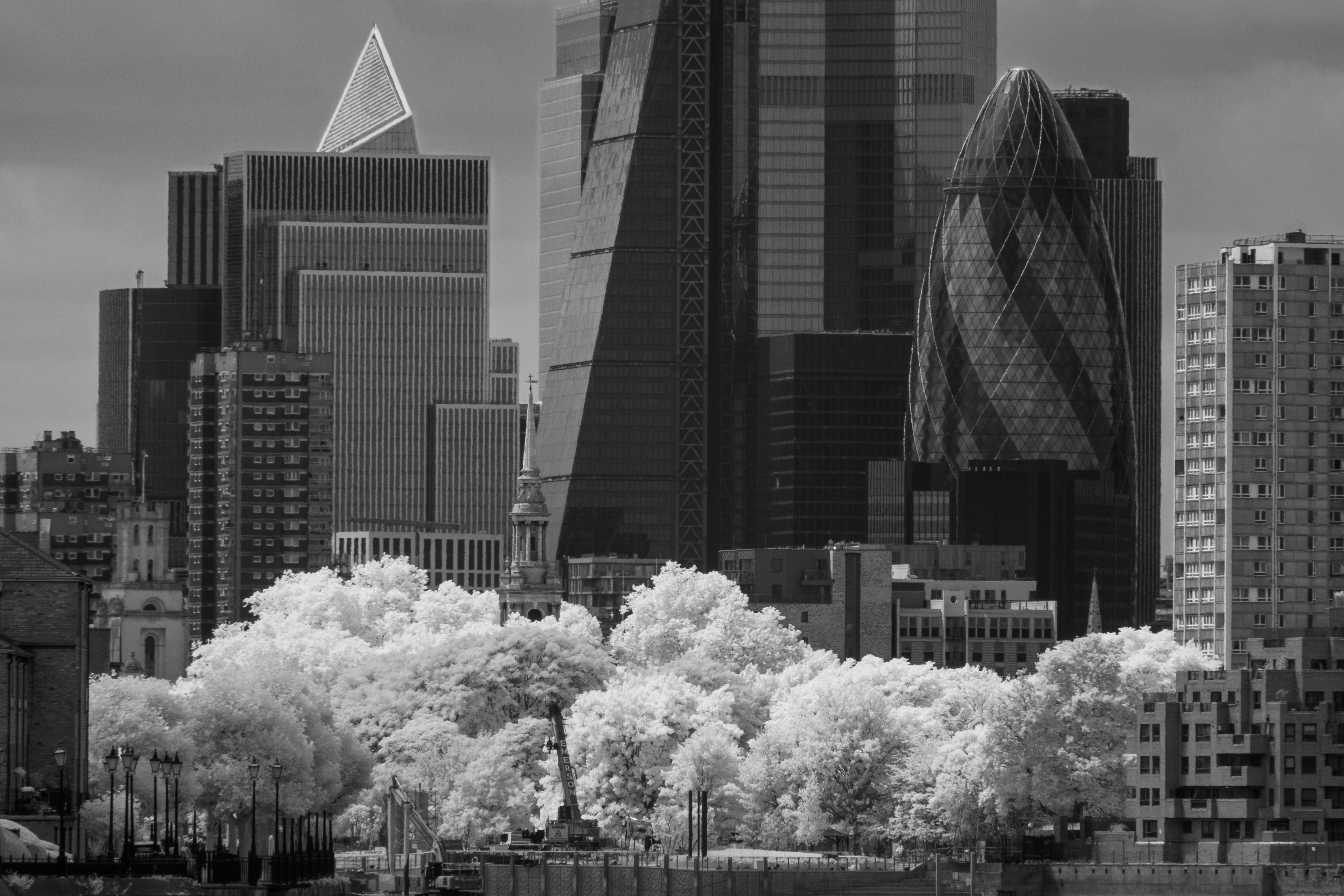
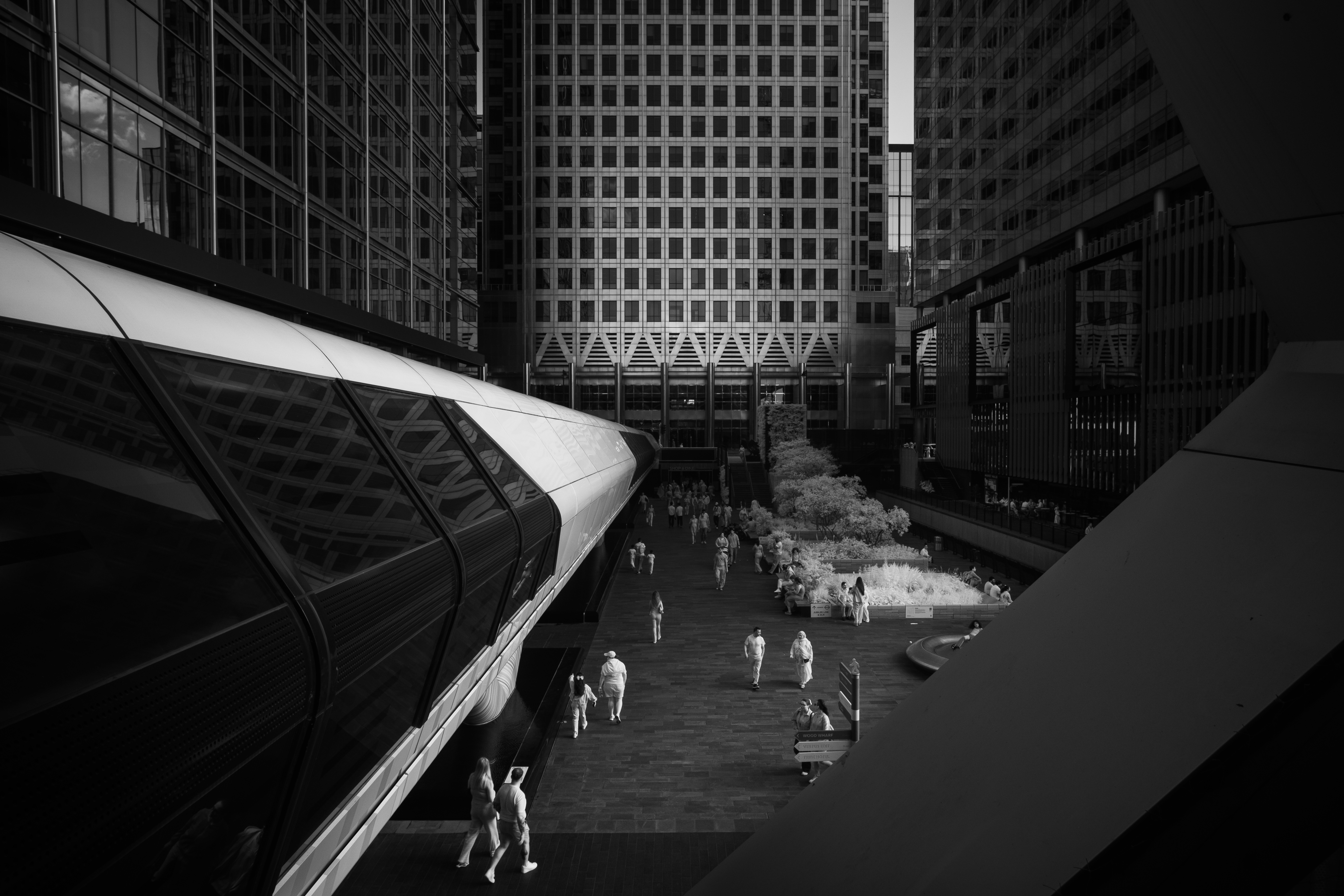
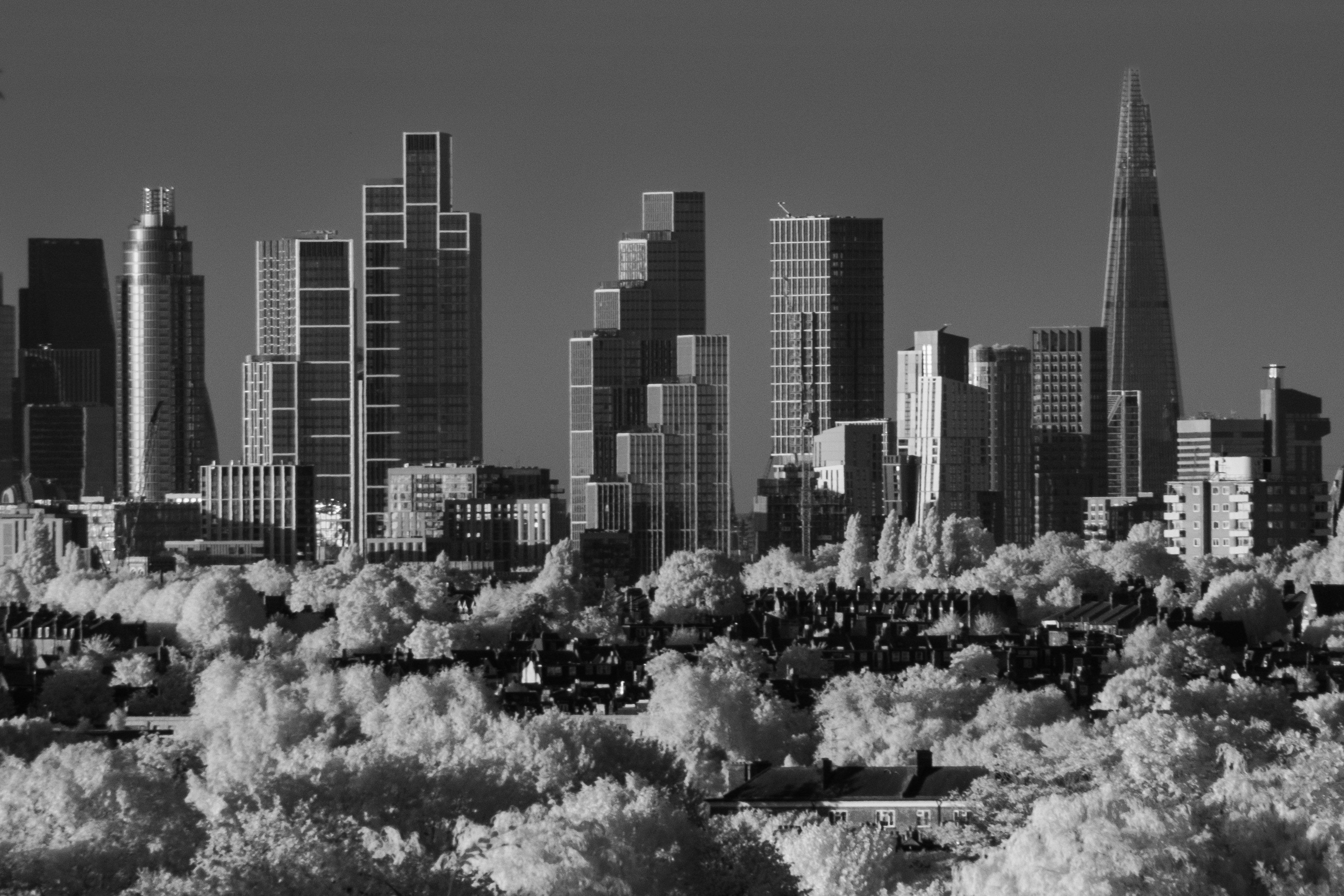
Once I'd photographed almost every tree in south England, I found that infrared can also work in urban scenes too. Two places I wanted to try were London's Canary Wharf (a financial district that feels a bit like The Truman Show) and the Wimbledon tennis championships.
Because glass blocks most near-infrared light, any windows in your infrared scenes tend to go dark or black. That can be helpful if you're trying to capture intimidating skyscrapers in a financial capital, and also helps to strip out clutter and distractions.
Most windows turn black in infrared photography because glass absorbs or reflects the light, which can make buildings look more intimidating.(Image credit: Mark Wilson / Future)
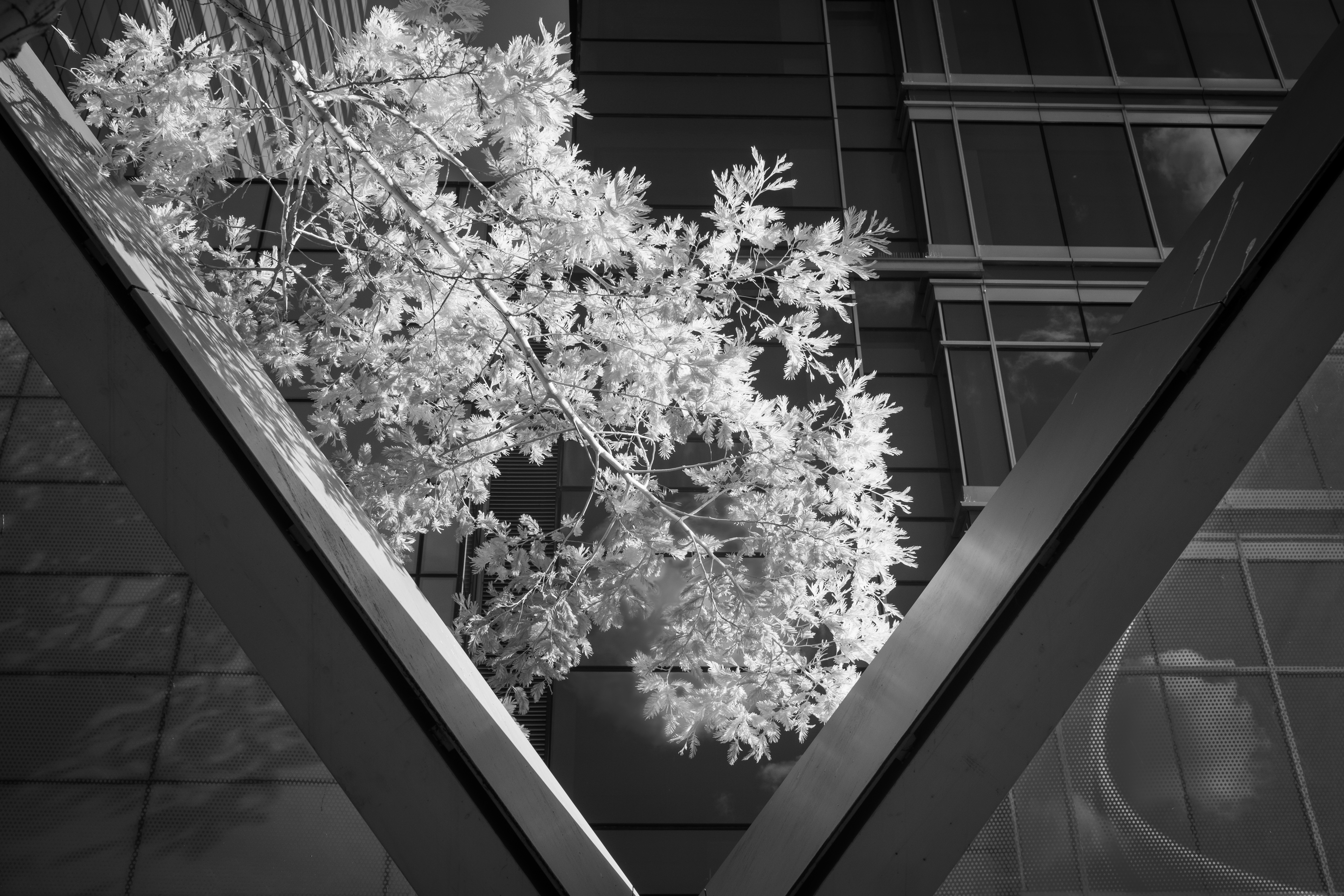
The other benefit of urban IR snapping is that it helps tease out the strangeness of places that are a bit too man-made. The classic combo is bright foliage next to dark windows or water, but some materials reflect infrared light in surprising ways – and that can help add a slightly sci-fi look, if that's what you're going for.
Another fun side quest is finding pops of vegetation to highlight certain parts of a cityscape. I still haven't found my perfect combo of light and skyline, but even a backlit scene can like the one below (not traditionally great for infrared) can benefit from its slightly dreamy feel.
Image 1 of 4
1/3200s at f/5.6, ISO 160. Backlit scenes don't typically work well in infrared as the style thrives on high contrast, but you can get a slightly dreamy feel.(Image credit: Mark Wilson / Future)
Image 2 of 4
(Image credit: Mark Wilson / Future)
Image 3 of 4
(Image credit: Mark Wilson / Future)
Image 4 of 4
(Image credit: Mark Wilson / Future)
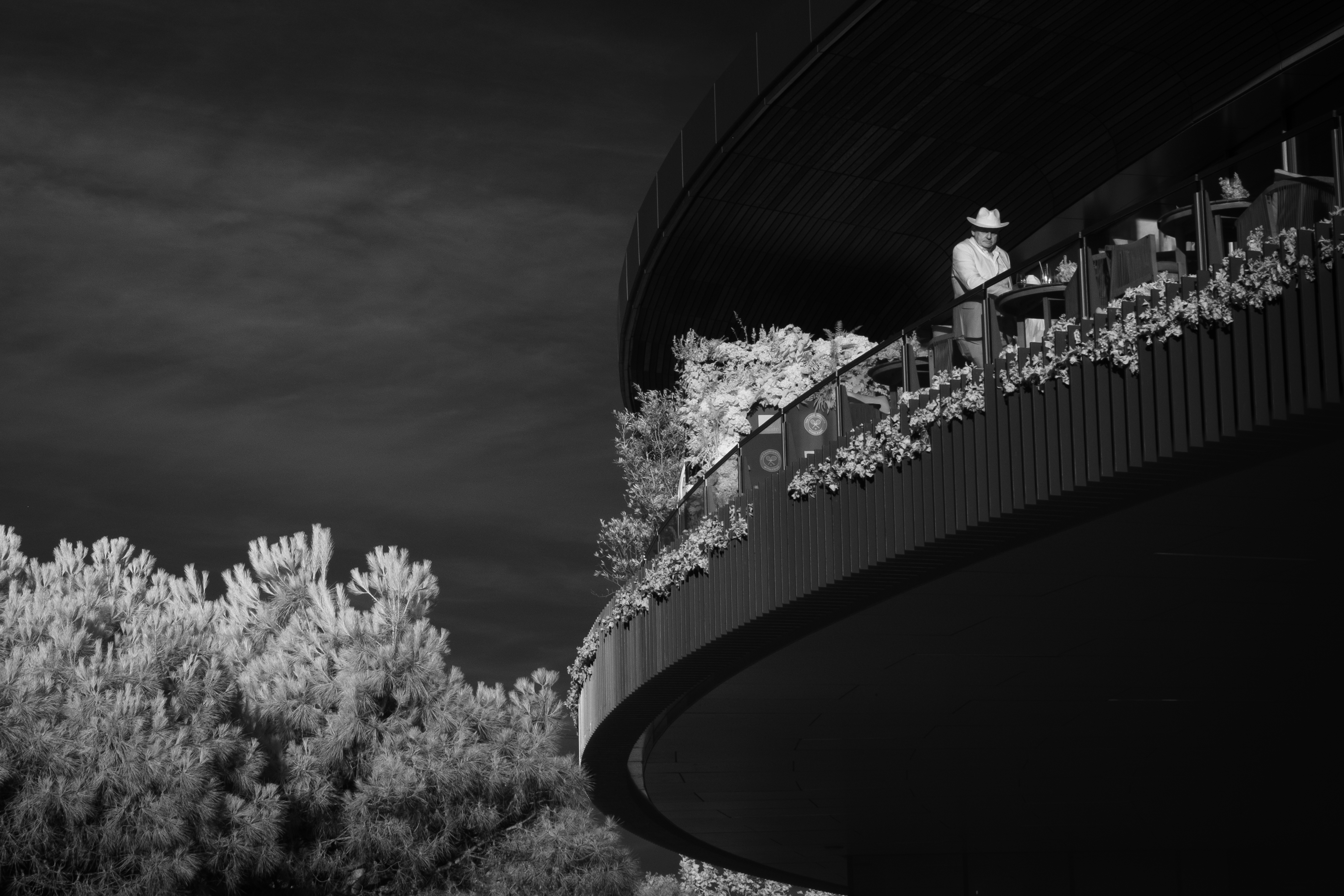
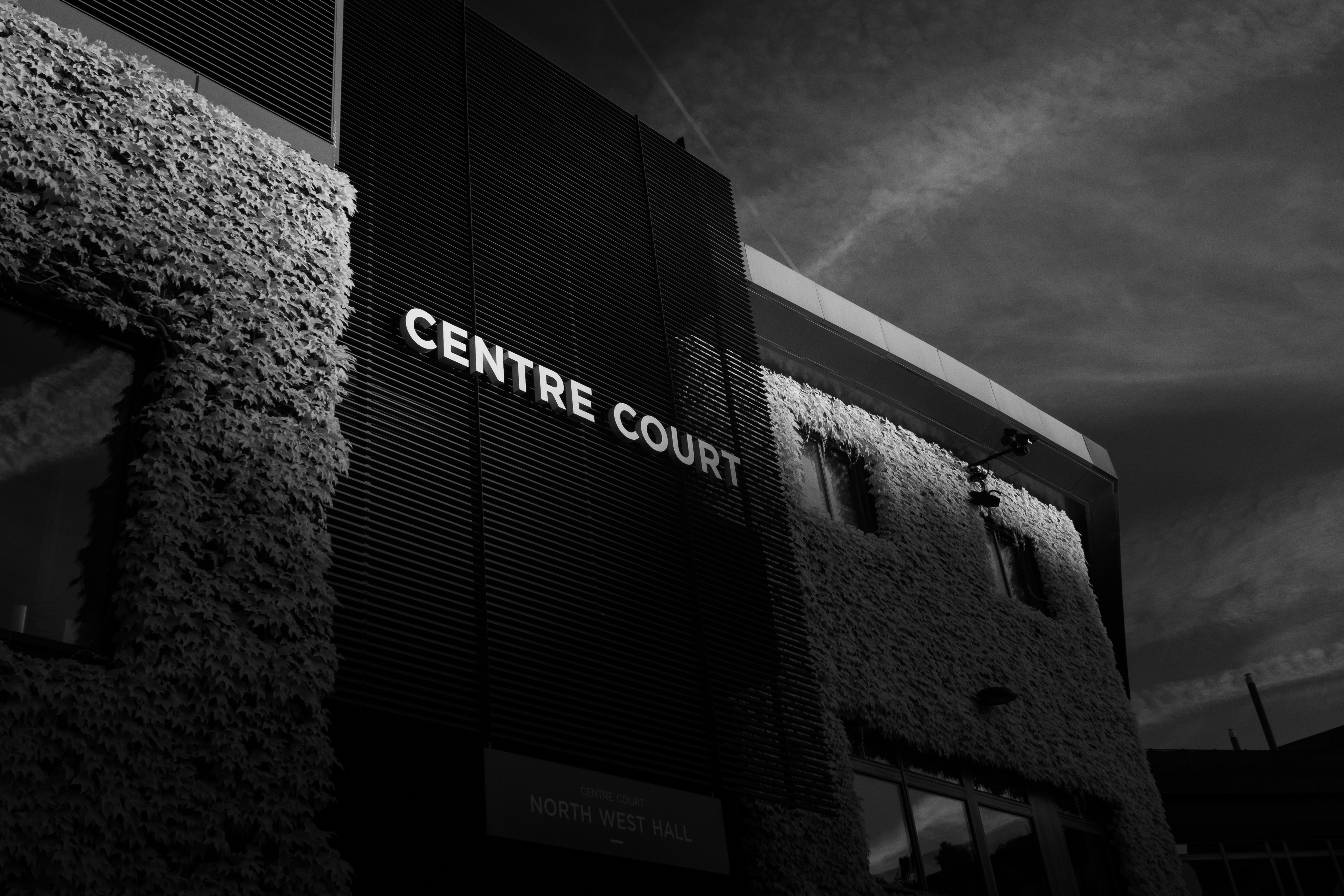
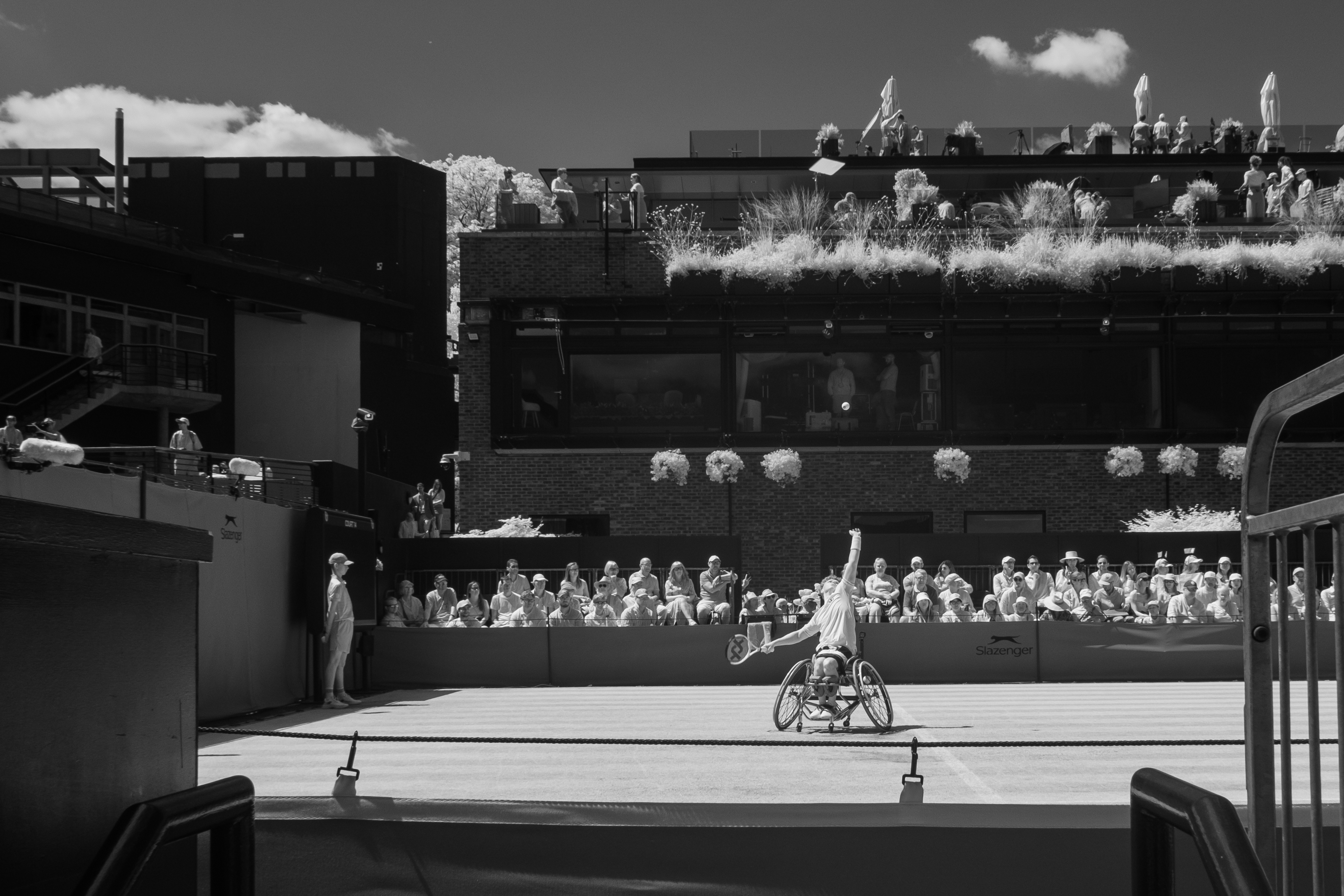
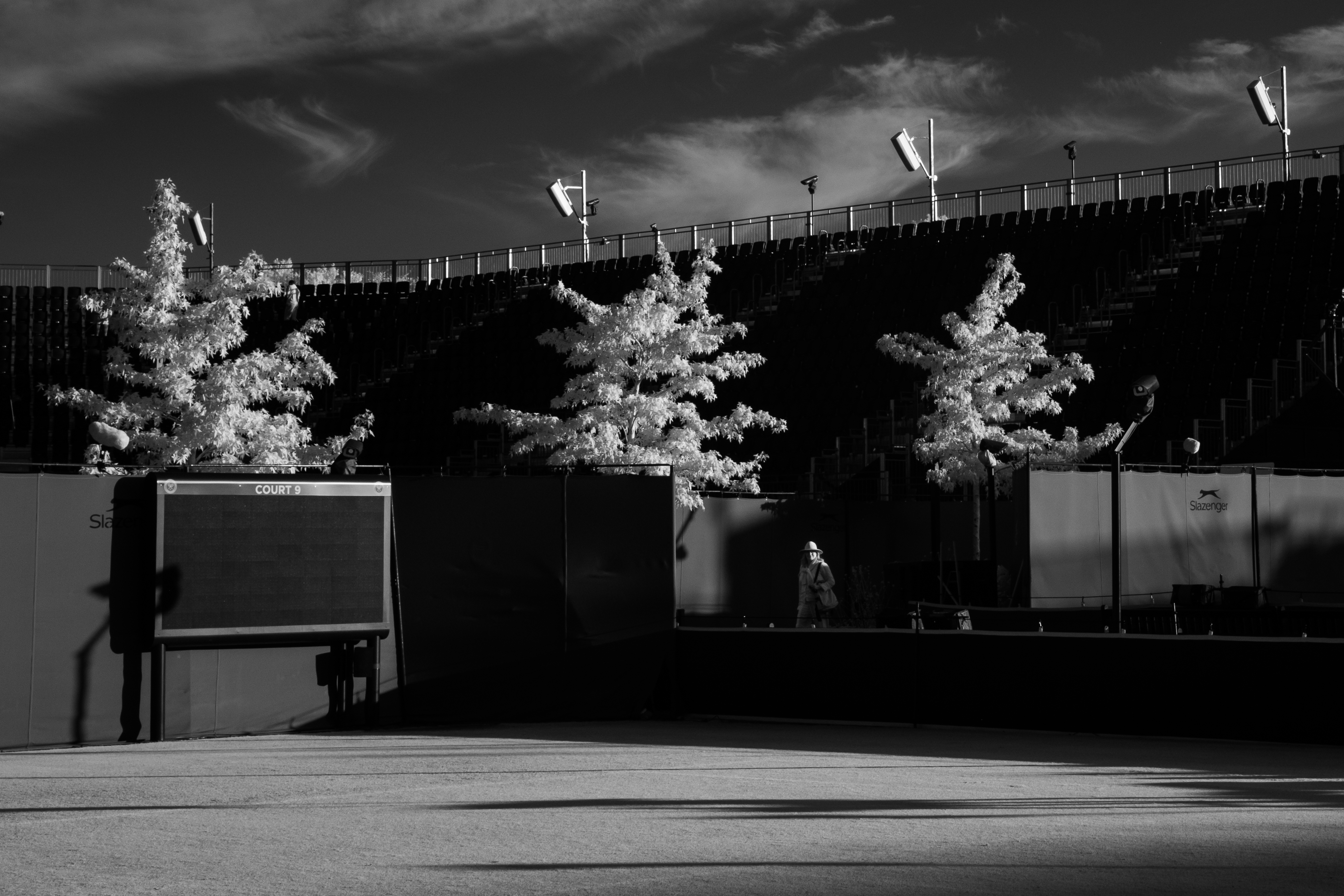
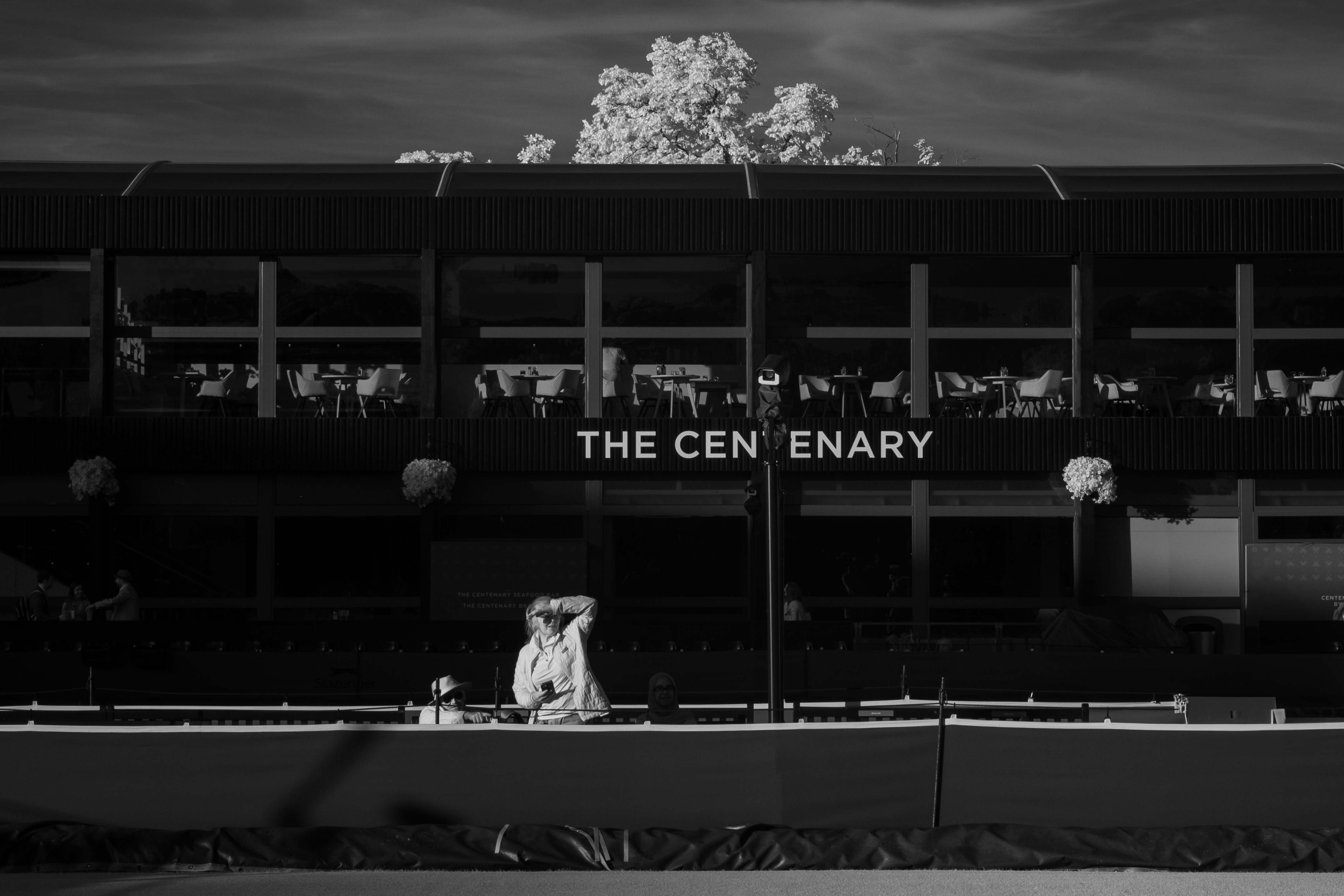
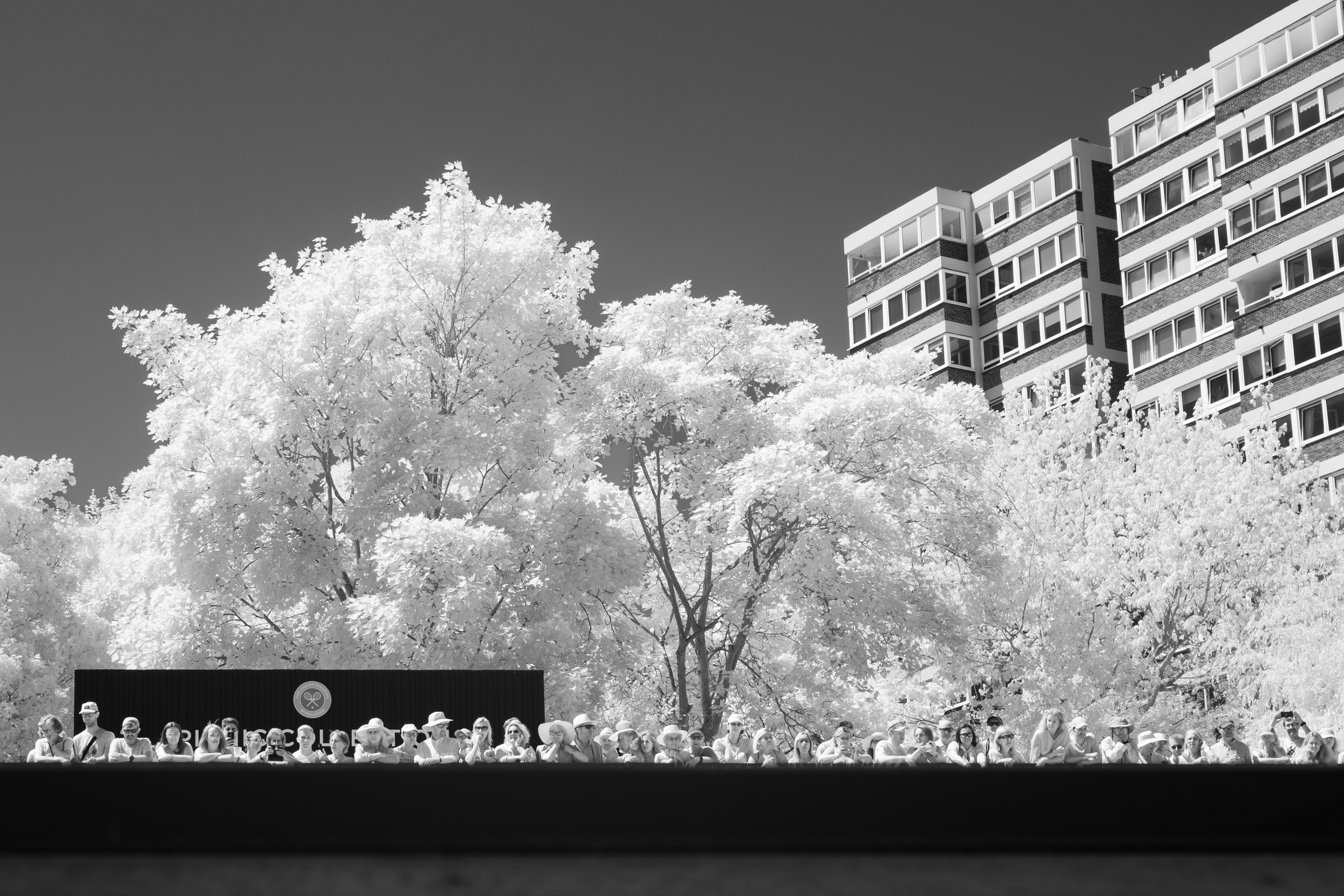
I also saw the Wimbledon tennis championships as a good infrared challenge because I've never been particularly happy with the 'normal' shots I've taken there. It's hard to avoid falling into the strawberries-and-cream clichés, as it's such a bright and cheery place. But does Wimbledon have a dark side?
Okay, 'dark' is a bit strong, but for some players (as this year's women's final showed), the place probably feels pretty intimidating – and as a punter it feels like there are large sections of the grounds that are cordoned off for a special few. Infrared can even make anything look creepy with the right light, but it was fun to tease out a side of Wimbledon I hadn't previously captured.
Image 1 of 7
Shooting the Wimbledon tennis championships in infrared gave me some different shots to my previous visits, and it helps that everyone dresses in white.(Image credit: Mark Wilson / Future)
Image 2 of 7
(Image credit: Mark Wilson / Future)
Image 3 of 7
(Image credit: Mark Wilson / Future)
Image 4 of 7
(Image credit: Mark Wilson / Future)
Image 5 of 7
(Image credit: Mark Wilson / Future)
Image 6 of 7
(Image credit: Mark Wilson / Future)
Image 7 of 7
(Image credit: Mark Wilson / Future)
Unfortunately, I realized too late that the end of a day, when most people have stumbled out of Wimbledon in a champagne-induced daze, is ideal for infrared. You don't always have to shoot around midday – a low sun casting deep shadows also creates the contrast that's great for black-and-white, so I'll definitely return to make more of that.
Glass ceiling
I'm still learning the infrared ropes, but if you're looking to try it out there are a few important things I've learned over the past few months.
One is lenses. Not all lenses play nicely with IR-converted cameras, as the coatings, materials and glass can interact differently with infrared light – which can create the dreaded 'hot spots' (bright circles in the middle of your photos). I found Rob Shea's crowd-sourced guide to X-mount lenses to be a helpful starting point, and he also has guides for Canon and Nikon.
I mostly used Fujifilm's Monochrome film simulation on my X-T3 to get a preview of black-and-white shots in the field, while shooting in raw for editing.(Image credit: Mark Wilson / Future)
I also asked Fujifilm for some guidance. It told me that its internal tests found the XF18-135mm and XF50-140mm to be great performers among its zooms, while for primes the XF30mm macro, XF50mm f/1, XF35mm f/2 and XF50mm f/2 are all highly rated (and I can vouch for the latter two). Older lenses are often best it seems, as the newer XF33mm f/1.4 gave me bright hot spots.
What about editing? The benefit of shooting black-and-white infrared photos is that this is a whole lot simpler than color. My converted Fujifilm camera came with a custom white balance already set, so I just shot in Fuji's monochrome film simulation to give me an idea of the final shot. Because you're often out in the middle of the day, it's very much a fun, point-and-shoot experience – just what I was looking for.
1/640 at f/5.6, ISO 160. Simple scenes with bright foliage and a black sky are ideal for infrared photography.(Image credit: Mark Wilson / Future)
I then just used Lightroom Classic to edit the raw files, though any of the best photo editors will do. Those raw files will look a muddy brown to start with, so it's then just a case of applying a profile to bring out the infrared goodness. I found Adobe's built-in B&W ones (go to Profile > Browse) generally did the trick, with B&W 01-04 usually being a good starting point.
One thing I have struggled with is pushing my edits harder towards infrared's natural sense of drama. I usually go for natural, subtle edits, but infrared raw files are crying out for a strong blast of contrast with deep blacks and bright highlights. If you're too careful, shots can end up with a flat, 'grey soup' look, so that's something I'm looking to improve. I'd also like to embrace infrared's abstract potential a lot more.
What is infrared good for?
After a few months with my IR-converted X-T3, and many mistakes, I've started to get a taste for what works best with infrared photography.
One lesson is that simplicity is everything. Choosing an uncluttered scene with a strong anchor is a good idea for all types of photography, but it's essential for infrared photos – otherwise that glowing scene that looked great in your viewfinder will look like post-snow slush.
1/400s at f/8, ISO 160. I tried this tribute to Bill Brandt's classic shot of the Cuckmere River in the UK, which instead has a white river surrounded by a black landscape. Rivers make good subjects as, like windows and the sea, they go dark in infrared.(Image credit: Mark Wilson / Future)
I also found that thinking about depth is even more important than usual. Again, using leading lines and layers is nothing new, but many shots that would have typically worked in standard color just fell flat in infrared.
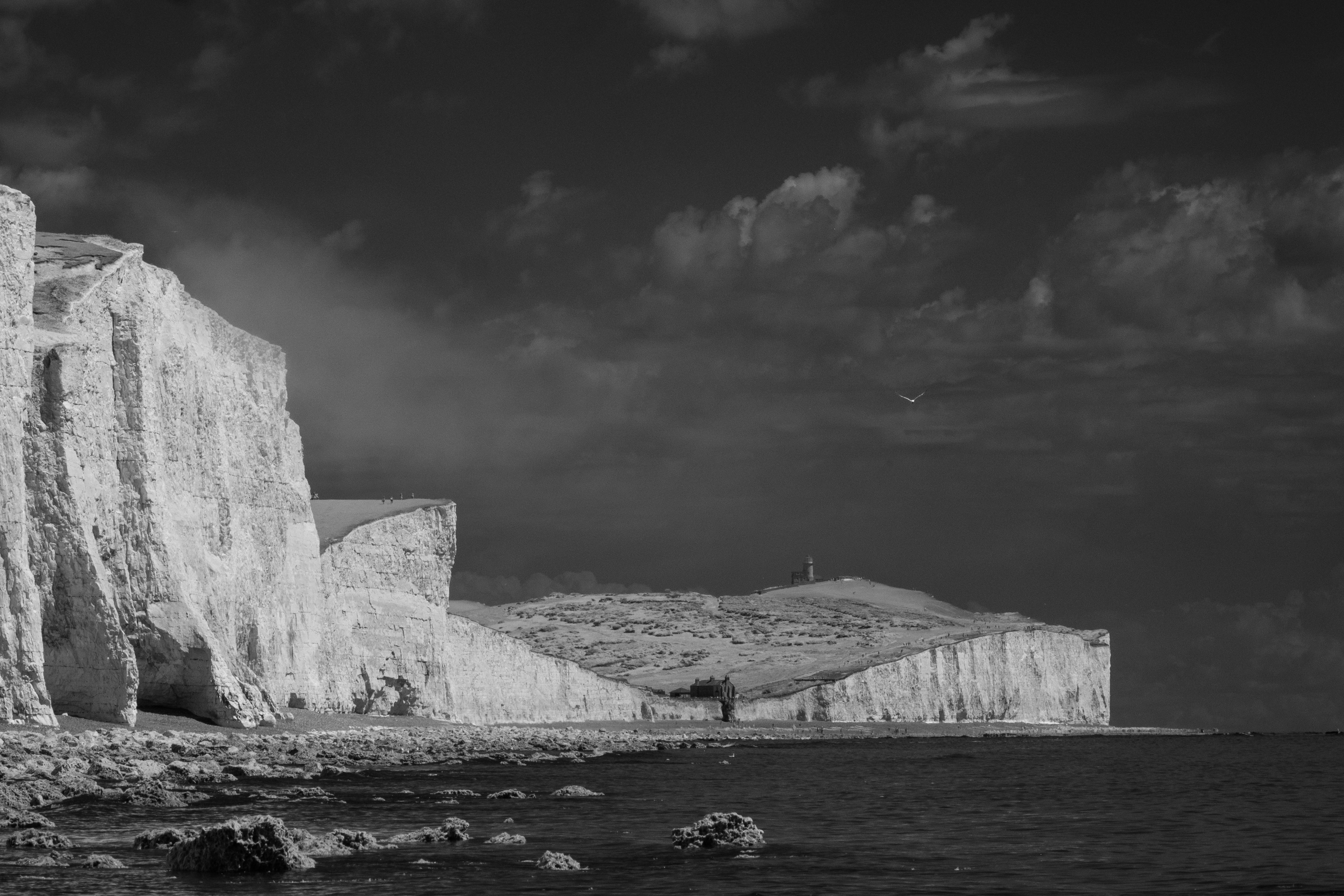
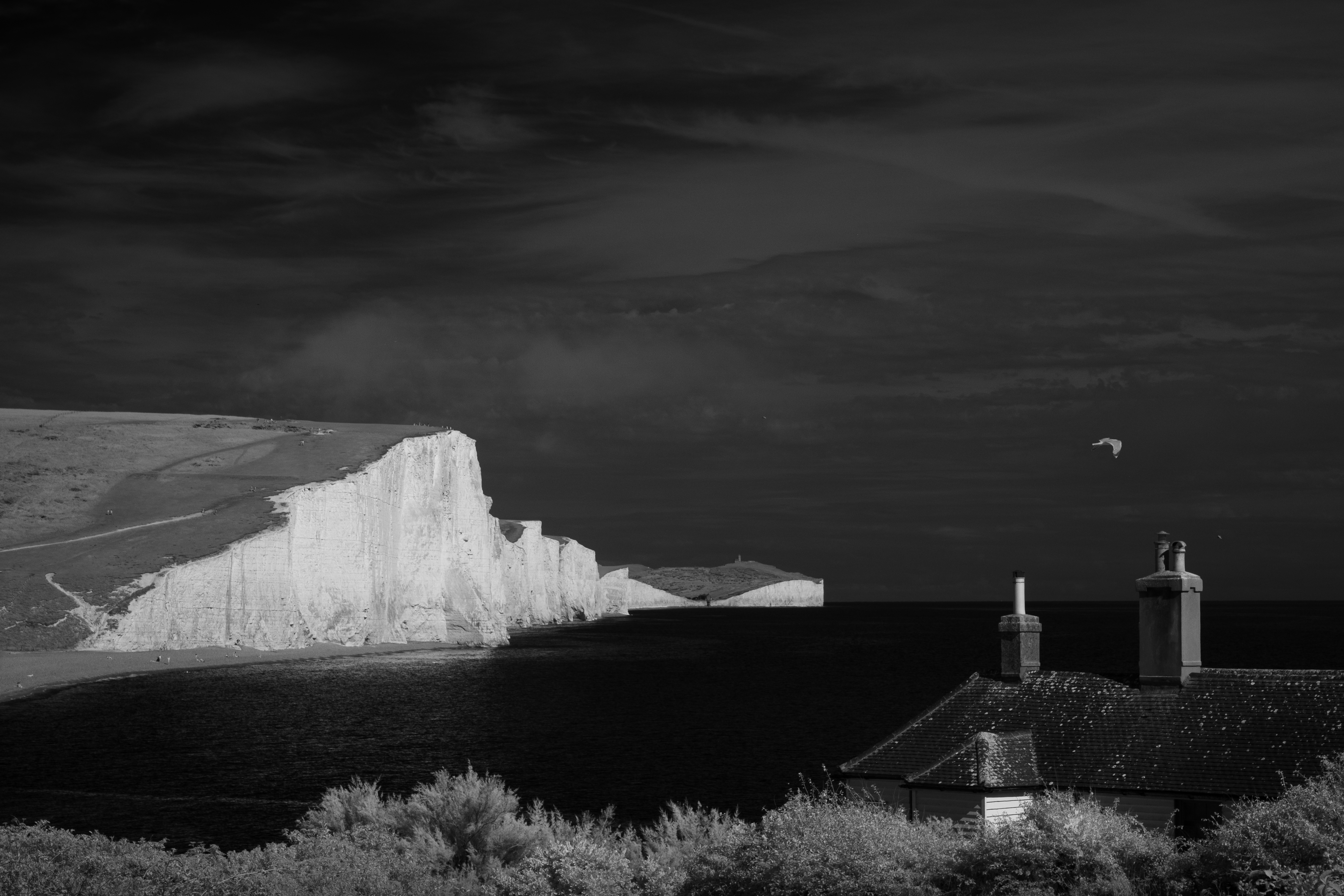
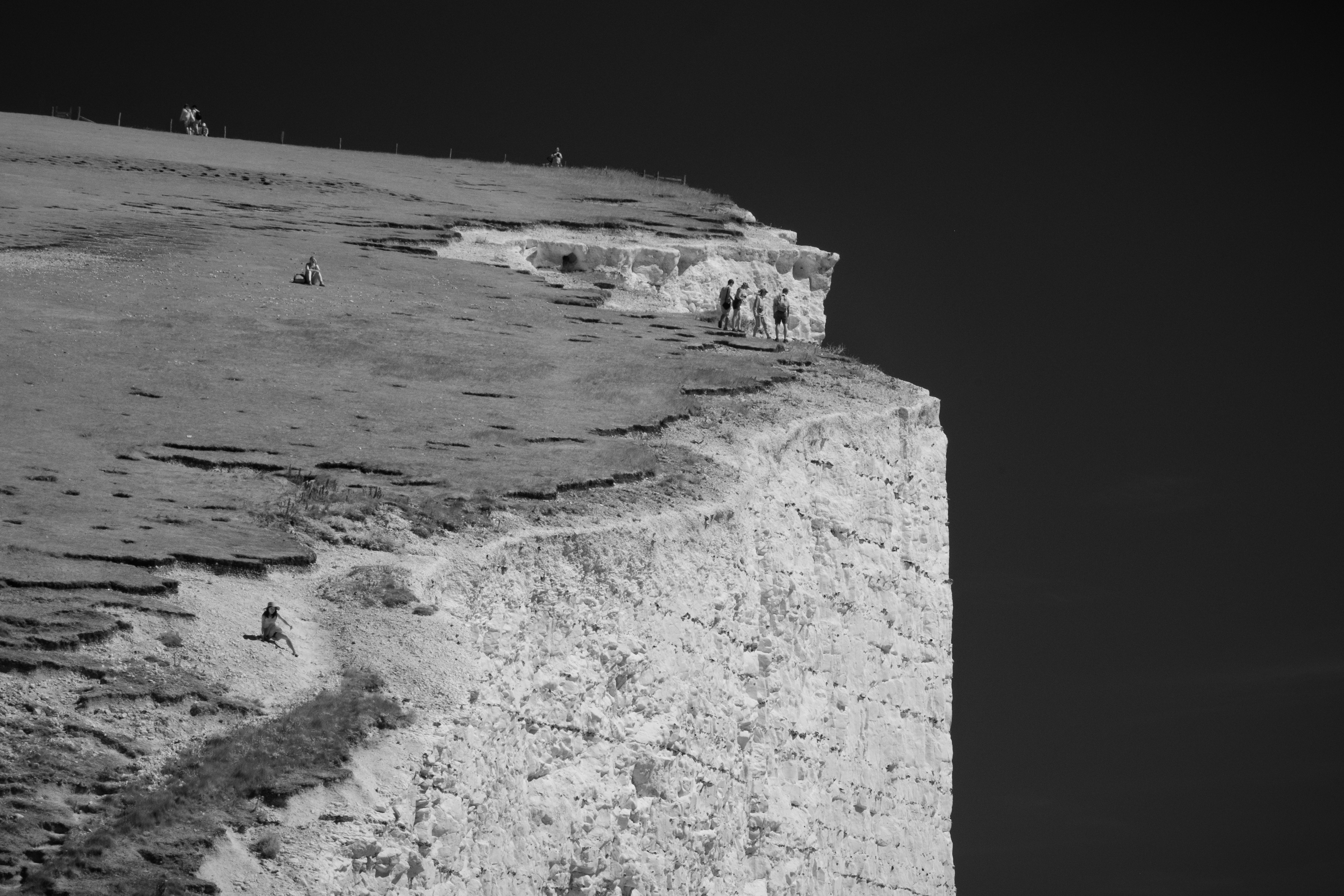
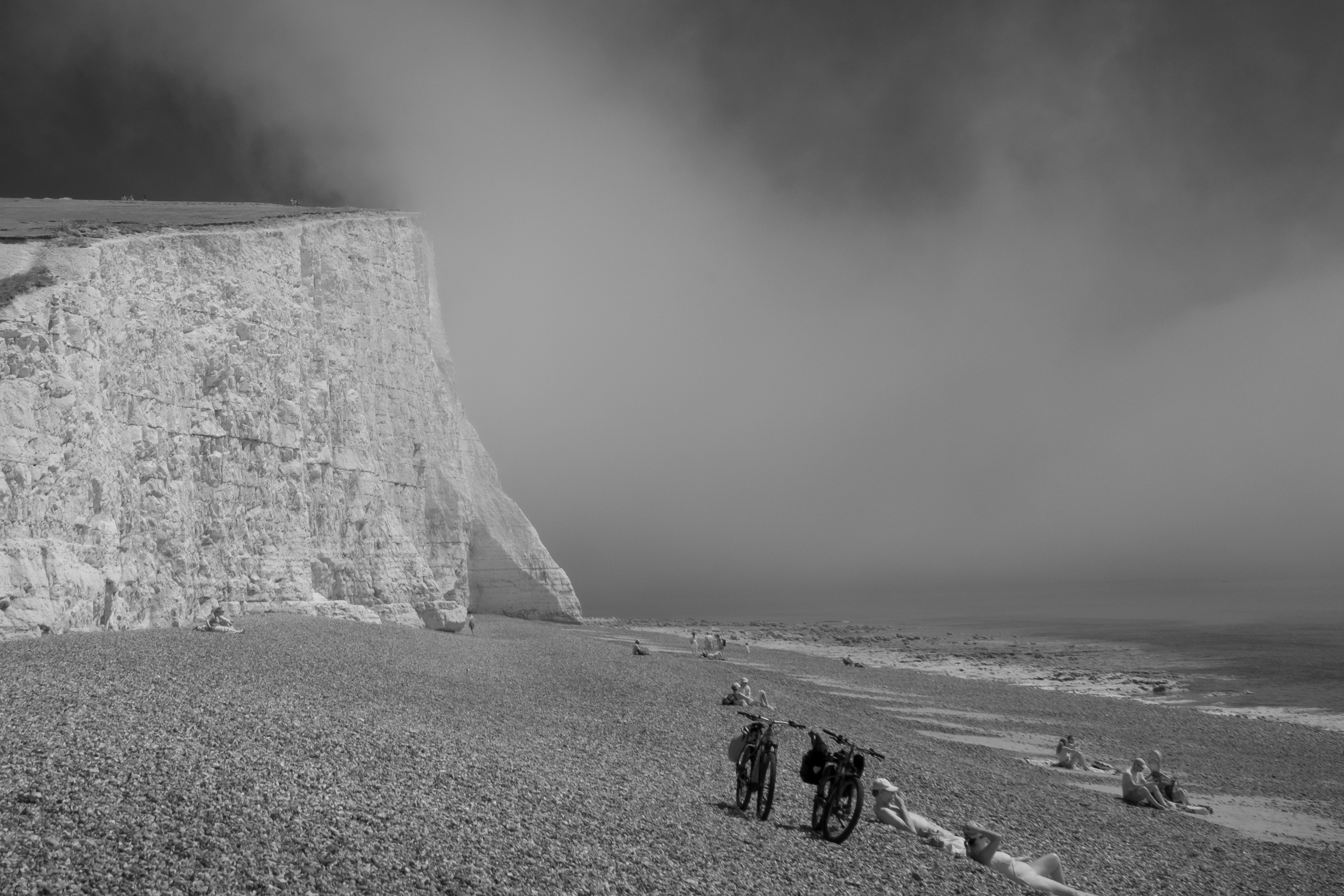
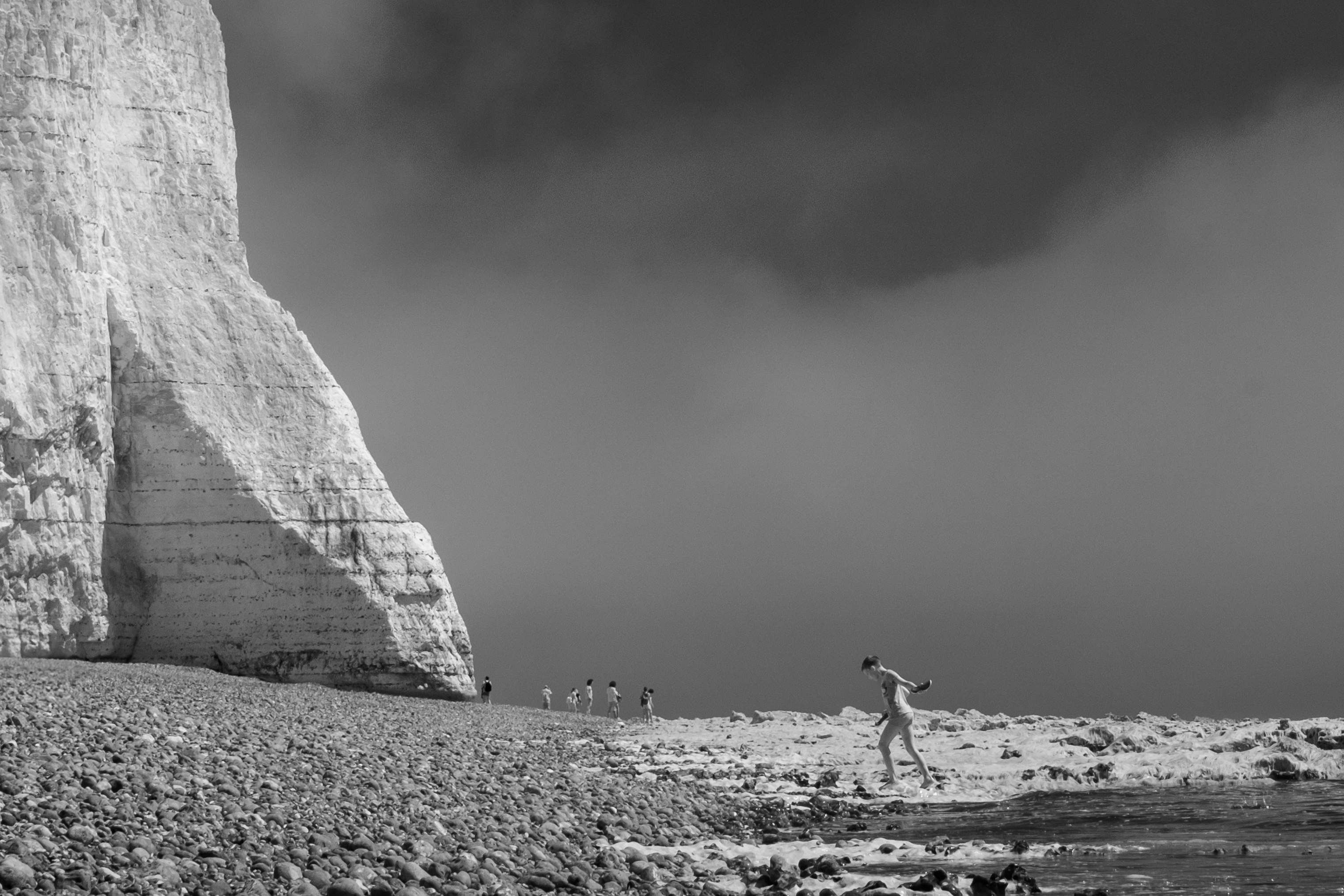
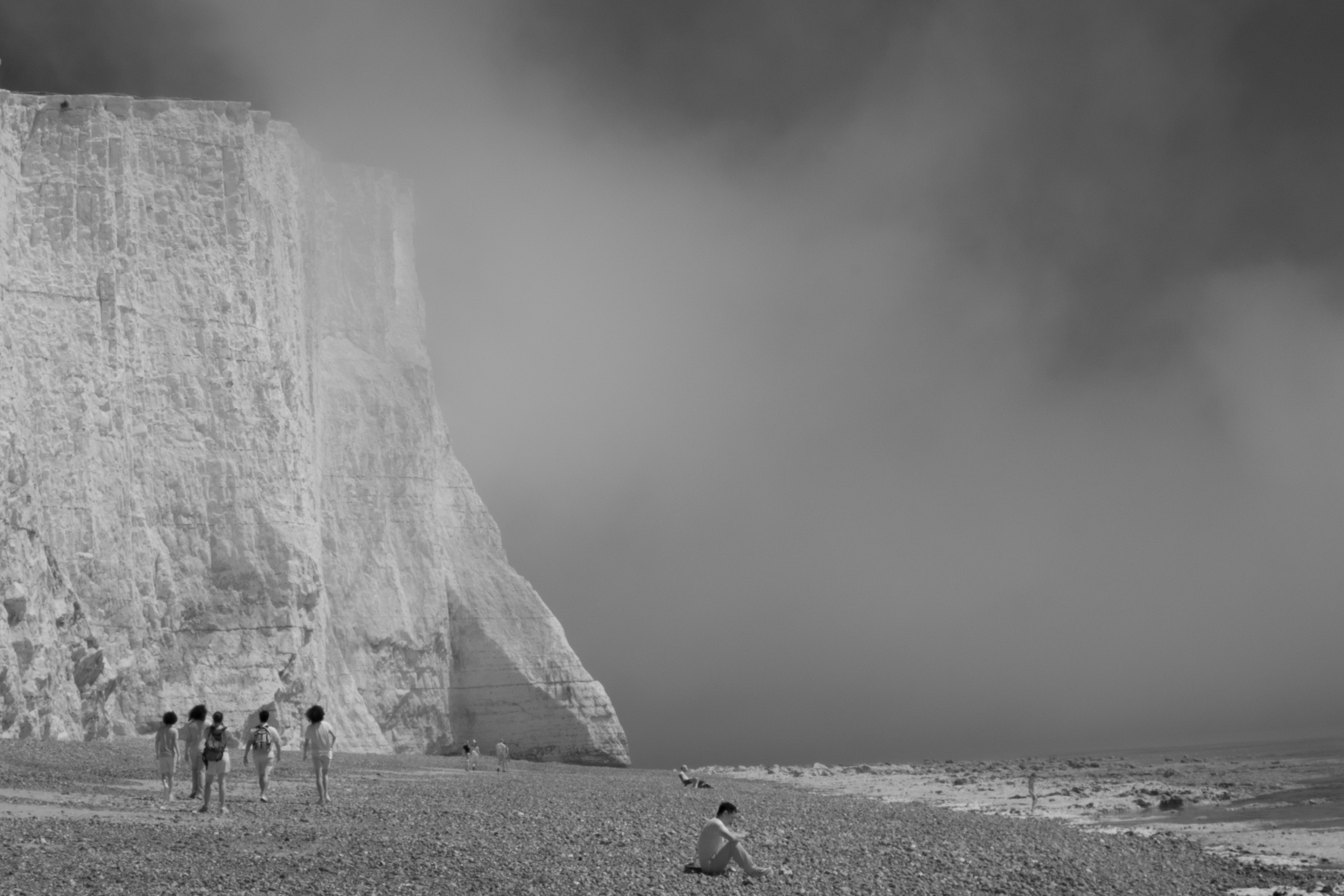
Infrared is also at its most fun when it amplifies a subject or feeling that's already in a scene, rather than just flicking on the 'surreal' switch for the sake of it. In my never-ending quest for scenes that work, I took a trip to the Seven Sisters cliffs on England’s south coast. It ticks a lot of boxes – bright, white cliffs next to a black sea – and while definitely a photographic cliché, was a fun place to shoot.
Image 1 of 4
The white cliffs at Seven Sisters in the UK are an obvious subject for infrared, so I couldn't resist popping down to its popular postcard scenes.(Image credit: Mark Wilson / Future)
Image 2 of 4
(Image credit: Mark Wilson / Future)
Image 3 of 4
(Image credit: Mark Wilson / Future)
Image 4 of 4
(Image credit: Mark Wilson / Future)
Fortunately, a random patch of mist – not something you typically get in the middle of the day – came in to add some extra drama and I found that ethereal scenes are IR's bread and butter.
Unfortunately, infrared cameras also aren't particularly flexible if you want to also take a traditional street photo, so you may need to rock two cameras on some trips.
Image 1 of 2
Mist isn't so common in the middle of the day in the UK, which is the ideal time for infrared snapping, but it can help simplify a scene even more.(Image credit: Mark Wilson / Future)
Image 2 of 2
(Image credit: Mark Wilson / Future)
But once my initial wave of infrared obsession had subsided – and it does come in waves – my main lesson was to stop looking for big, theatrical scenes and to try to find ones that suit infrared's ability to make the everyday look a bit weird and Hitchcock-like.
1/800s at f/8, ISO 160. A random phone box in a lavender field felt like a good match for infrared's naturally surreal look.(Image credit: Mark Wilson / Future)
For example, I found the phone box in the lavender field above, which I probably wouldn't have shot with a normal camera – yet it felt like it benefited from IR's surreal touch.
A break from the old
There are countless photography projects that can help you rediscover your snapping spark, many of which are less expensive than giving your camera an infrared conversion.
But if, like me, you have an older camera that's been gathering dust and isn't your main body, then an IR conversion can be a good way to breathe new life into it – and your photography.
Image 1 of 3
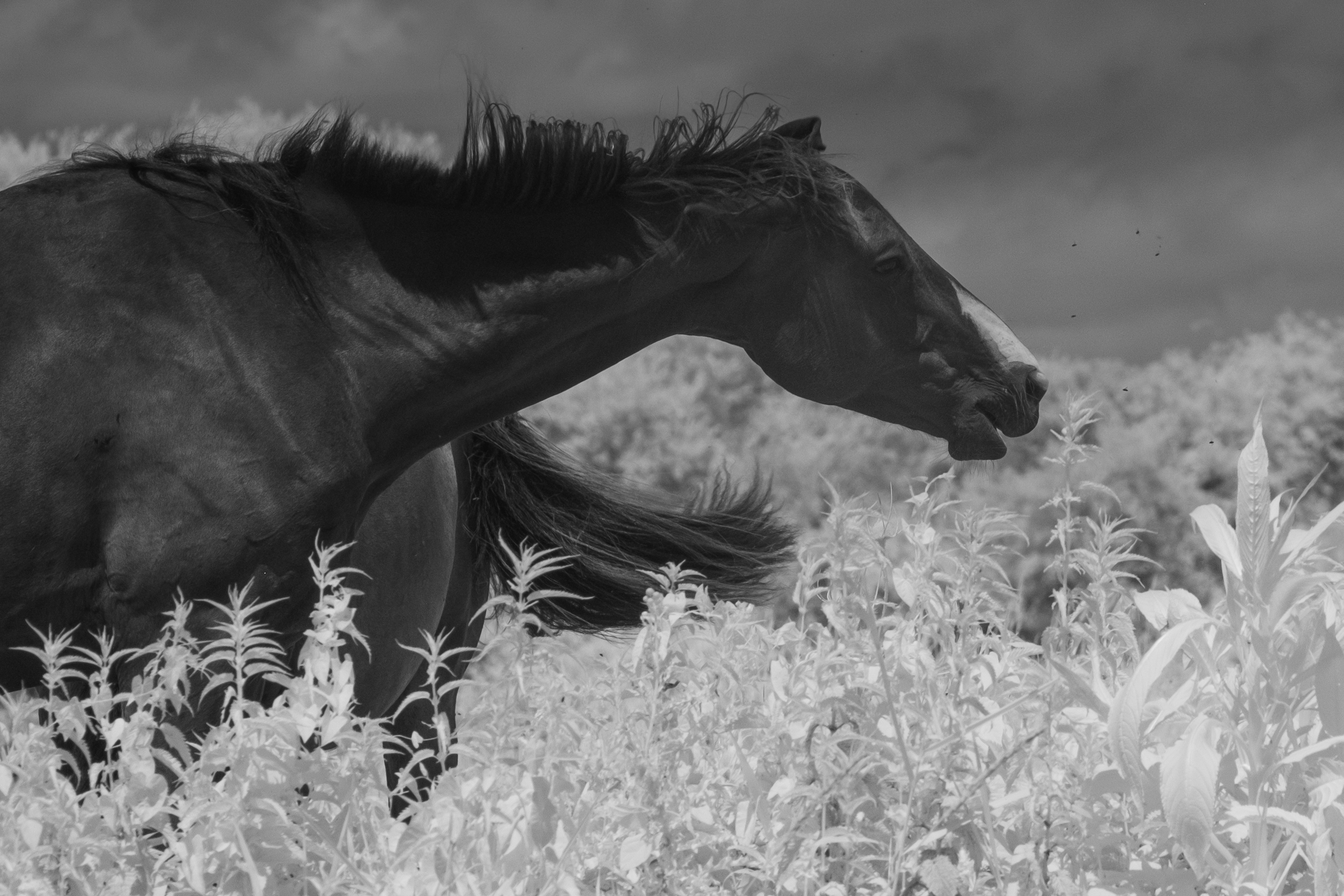
1/800s at f/7.1, ISO 160. Humans turn a ghostly white in infrared, but some animals look closer to normal.(Image credit: Mark Wilson / Future)
Image 2 of 3
(Image credit: Mark Wilson / Future)
Image 3 of 3
(Image credit: Mark Wilson / Future)
Now that autumn is coming around again in the UK, I can feel the lure of 'normal' photography coming back again. There's also a good chance that, in a few years, I'll look back at my infrared experiments and wonder what I was thinking.
But I also feel rejuvenated by my vacation from the usual worries about 'accuracy', color theory and pesky tripods. A quote I recently saw from Outkast's André 3000 summed it up for me, when he told Rolling Stone about his recent musical experiments: "I'd rather go amateur interesting than master boring".
It's been to fun to hit the reset switch and be a complete beginner again, and that's made the cost of converting my camera feel like something of a bargain.
Do you have an infrared camera or been tempted to give it a go? Let us know in the comments below.
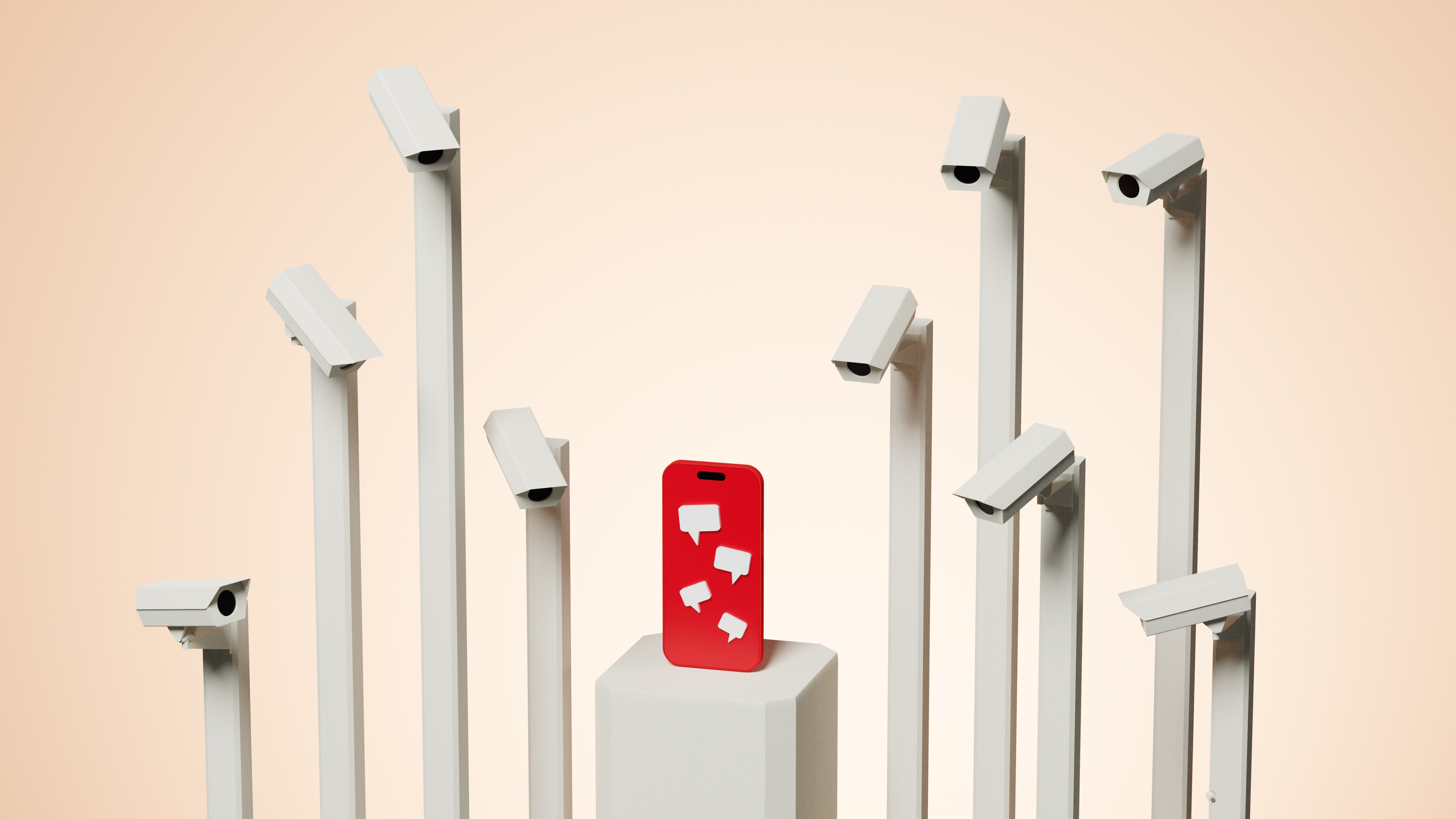
Opposition against the controversial child sexual abuse (CSAM) scanning bill is growing ahead of a crucial meeting on September 12
The Danish version of the so-called Chat Control bill could be adopted as early as October 2025 if an agreement is found
Experts are concerned about the negative impact the bill will have on citizens' communications privacy and security
Opposition against the controversial child sexual abuse (CSAM) scanning bill is growing among EU state members, just days away from a crucial meeting.
On September 12, the EU Council is expected to share its final positions on the Danish version of the so-called Chat Control. The proposal, which has attracted strong criticism so far, aims to introduce new obligations for all messaging services operating in Europe to scan users' chats, even if they're encrypted.
Both the Czech Republic and Belgium have now reportedly passed from being undecided to opposing the proposed law, according to the latest data, with the latter deeming the bill as "a monster that invades your privacy and cannot be tamed." They add to Austria, the Netherlands, and Poland in criticising the proposal's mandatory detection and encryption provisions.
The list of supporters is still much longer, though, counting 15 member states at the time of writing. These include crucial countries like France, alongside Italy, Spain, Sweden, Lithuania, Cyprus, Latvia, and Ireland.
Crucially, French MEPs said they could "basically support" the draft, a source with knowledge of the matter told TechRadar. While Germany, another decisive vote to either block or back the bill, may be considering abstaining from taking a position. This is something that will weaken the Danish mandate, "even if the Presidency gets the required votes to pass," explains TechRadar's source.
What's at stake for European's encrypted communications?
(Image credit: Getty Images)
First unveiled in 2022, the Chat Control proposal has never been so close to becoming law, with a vote set to take place on October 14, 2025, and the majority of EU member states currently being its supporters.
The major point of contention, in fact, is the provisions around encryption, which is the technology responsible for keeping our communications private and secure. The likes of WhatsApp, Signal, ProtonMail, and even the best VPN apps all use encryption to scramble the content of users' messages into an unreadable form and prevent unauthorized access.
If the Danish Chat Control text passes, all the multimedia files and URLs you sent via WhatsApp and similar services would have to be mandatorily scanned in the lookout for CSAM materials. Crucially, government and military accounts will be exempt from the scanning.
While the proposal mentions that cybersecurity and encryption should be "protected in a comprehensive way," a wealth of experts, including tech developers, cryptographers, and digital rights advocates, have been warning that, as it's intended, mandatory scanning cannot be done without weakening encryption protections. This will also make everyone de facto more vulnerable to cyberattacks.
At the time of writing, only seven countries remain undecided, namely Estonia, Finland, Germany, Greece, Luxembourg, Romania, and Slovenia.
If you're worried about this proposal and wish to put pressure on your country's MEPs, this website helps you do so within a few clicks.
This week Apple teased the iPhone 17 launch, and Flipepr Devices disputed claims its tech is helping people steal cars.
To catch up on all this, and five more of the week's top tech news stories scroll down for the latest iteration of our weekly ICYMI recap.
Next week is IFA and we're sure to see some big announcements there (perhaps even from Samsung) so be sure to check back for next recap in seven days.
7. Could Eternals tease doom for Doomsday?
(Image credit: Disney/Marvel Studios)
Eternals was the 2021 Marvel movie that instantly flopped, with fans and critics alike criticizing its rushed character development over a shorter runtime. In a new interview with Vanity Fair, director Chloe Zhao claimed having unlimited money and resources was “actually quite dangerous,” adding it prepared her for upcoming November release, Hamnet.
But what if the same logic could be applied to Avengers: Doomsday? It’s the movie moment of the decade for the MCU, so of course the studio is throwing caution to the limitless wind, even if it doesn't make sense looking in from the outside. In dangerous entertainment times and seemingly no limits on what happens when making Doomsday, Zhao's comments should perhaps be heeded as a warning.
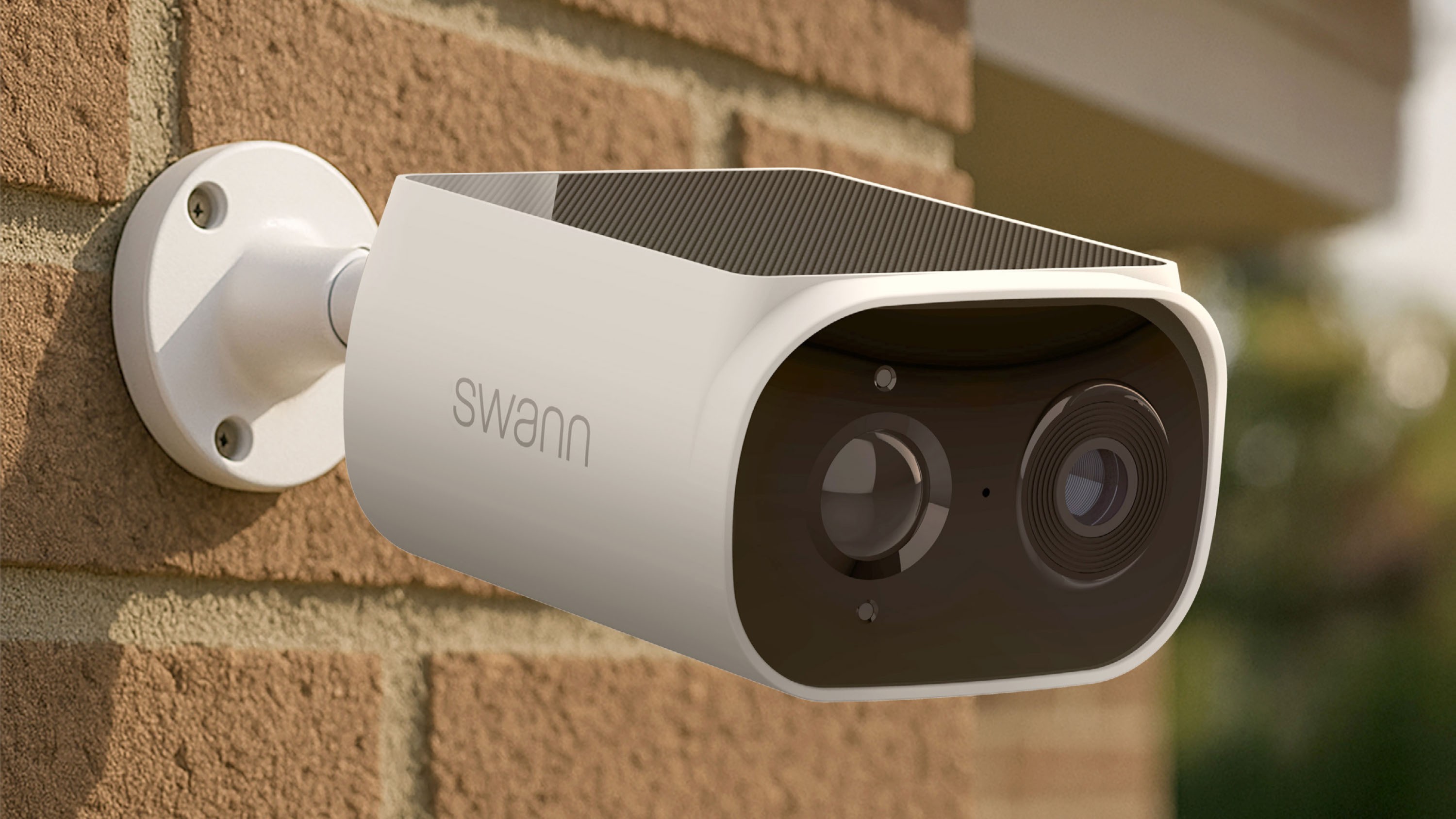
If you like the idea of having a smart security camera watching over your home, but you don’t like the thought of taking it down to charge, Swann has the solution. The Swann EVO Wireless Solar can keep running with just 45 minutes of sunlight per day, and is weather-resistant so you can mount it just about anywhere. There’s no need to pay a subscription fee either, because all your videos are stored locally on an SD card. Now that’s smart.
It’s not the cheapest home security camera around, but once you factor in the solar panel and absence of monthly membership fees to watch your videos, its price tag of $129.99 / £99.99 / AU$179.95 looks very reasonable.
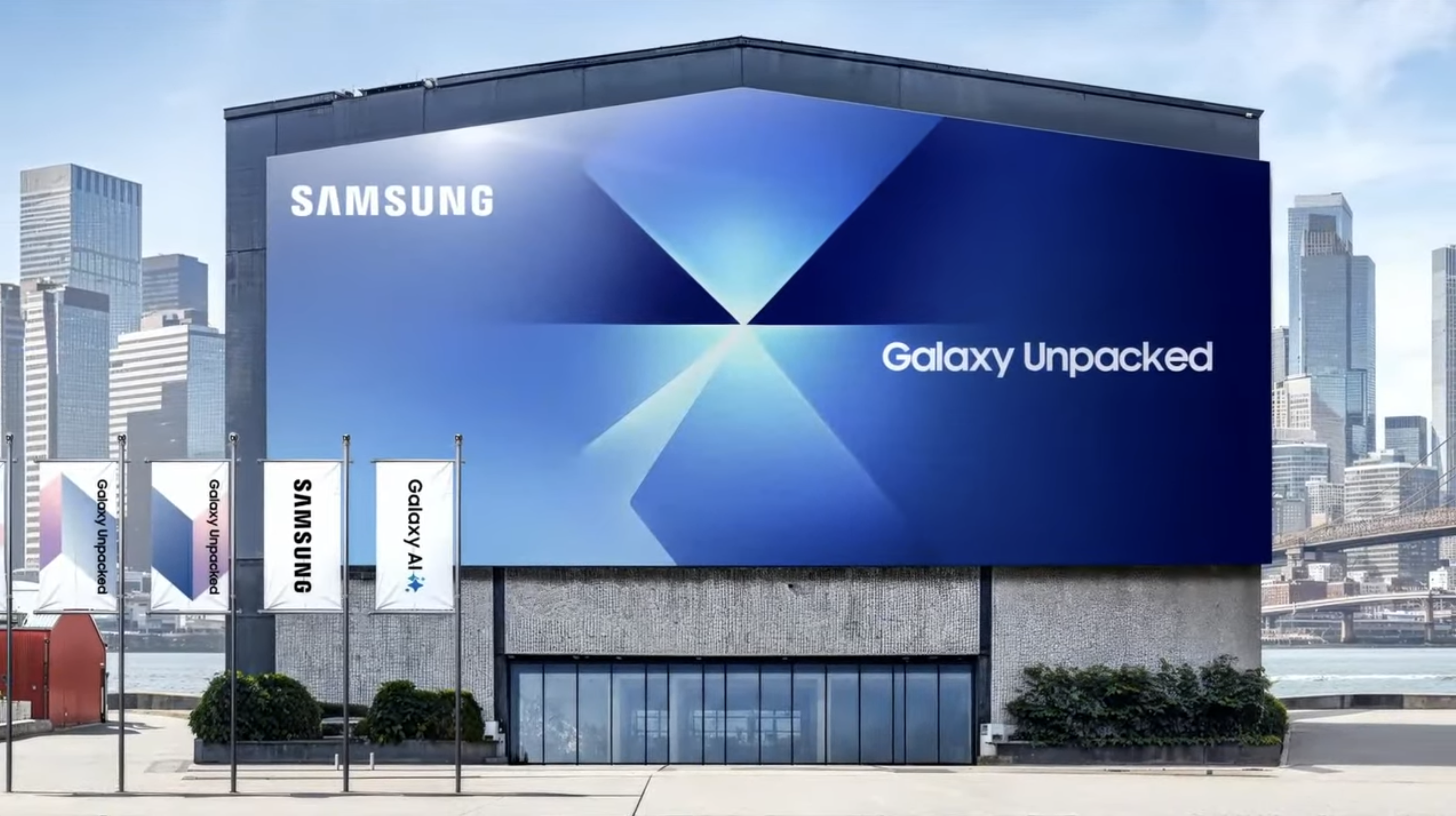
We sometimes worry for the folks over at Samsung HQ. In 2025, the company has hosted separate launch events for the Samsung Galaxy S25, Galaxy S25 Edge, and new Galaxy Z foldables, and it looks like we’re getting one more Galaxy showcase before the year is out.
Coinciding with IFA 2025 on September 4, Samsung’s next “Galaxy Event” will see “premium AI tablets” and “the newest member of the Galaxy S25 family” enter the fold. That almost certainly means the Galaxy Tab S11 series and the Galaxy S25 FE are just around the corner, and thanks to several leaks and rumors, we think we have a pretty good idea of what to expect from all three new devices.
Could a $200 device be the next big thing in car theft? One report discovered underground hacker networks are selling Flipper Zero software patches that can unlock all manner of cars – even major brands like Ford, Audi, and Volkswagen.
The "multi-tool device for geeks" is intended for security researchers to demonstrate vulnerabilities responsibly, but some bad actors are misusing the device to mess with Tesla charge ports, change traffic lights, and now seemingly hack into cars – though the silver lining is the reports says the exploit can only open a car, you can’t yet drive off with it.
Flipper Devices did reach out to us with a statement saying, “We are not aware of any officially confirmed cases of theft using a Flipper Zero.” and to dispute claims these hacks are even effective as the Flipper Zero lacks the “hardware to suppress the radio signals, which would be necessary to crack systems that properly utilize rolling codes” like a keyless entry system.
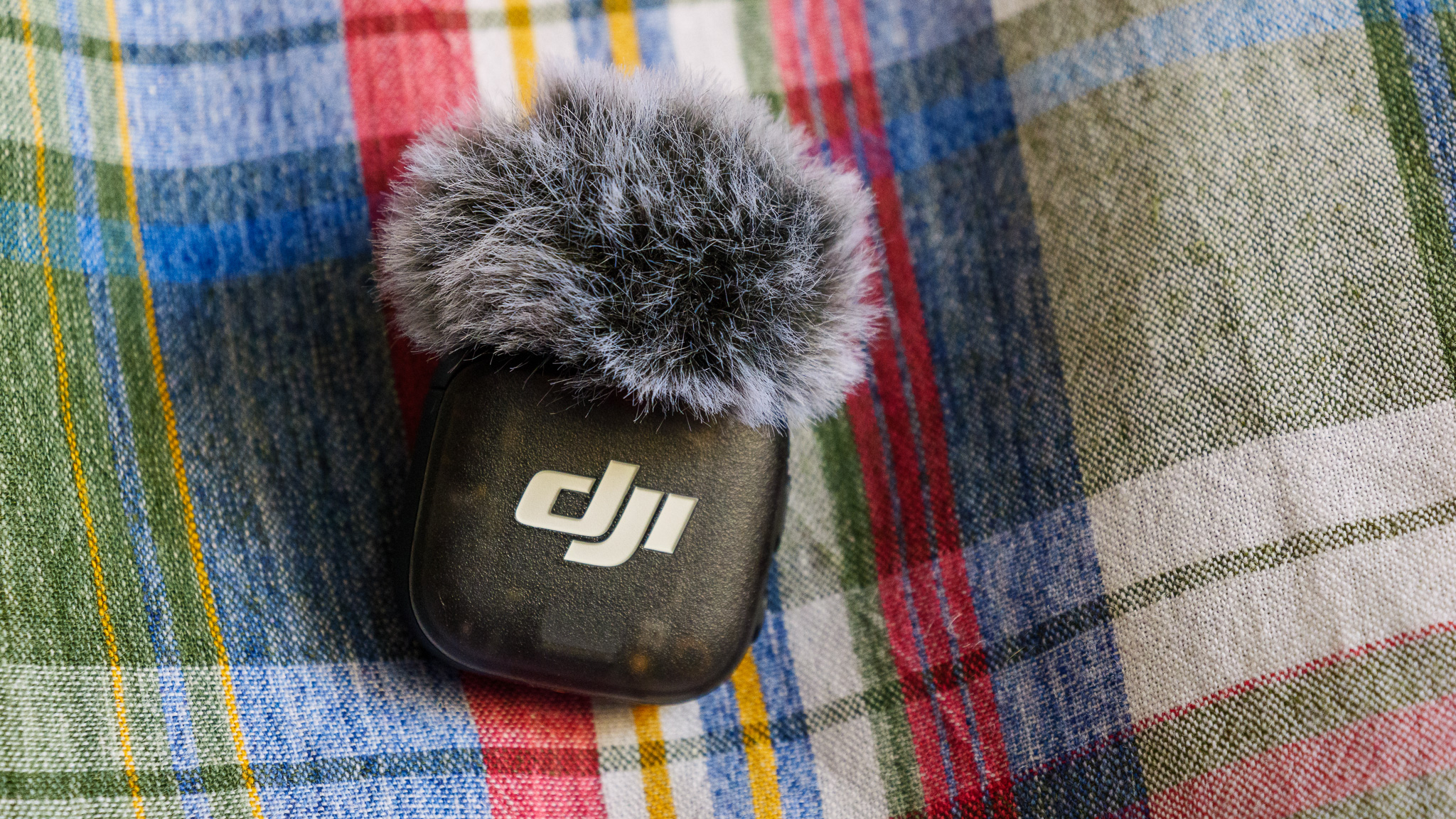
DJI unveiled the Mic 3, the latest premium release in the company’s popular wearable wireless microphone range. It comes just 18 months after the DJI Mic 2 and it will supplant its predecessor at the top of TechRadar’s best wireless microphone guide thanks to some meaningful design and performance updates.
Our Cameras Editor Timothy Coleman only recently bought the Mic 2 and loves it, so he was a little skeptical about the need for a new model. After receiving our review sample of the DJI Mic 3, though, it only took him a few seconds to see why people might want to upgrade, and he admits to having a tinge of regret about the timing of his purchase.
The two models both record 24-bit and 32-bit float audio, but the Mic 3 has a smaller, tidier design, better battery life and a raft of audio upgrades, including timecode support, two-level noise cancellation, and improved transmission range. Put simply, the DJI Mic 3 sets the bar for tiny wireless mics.
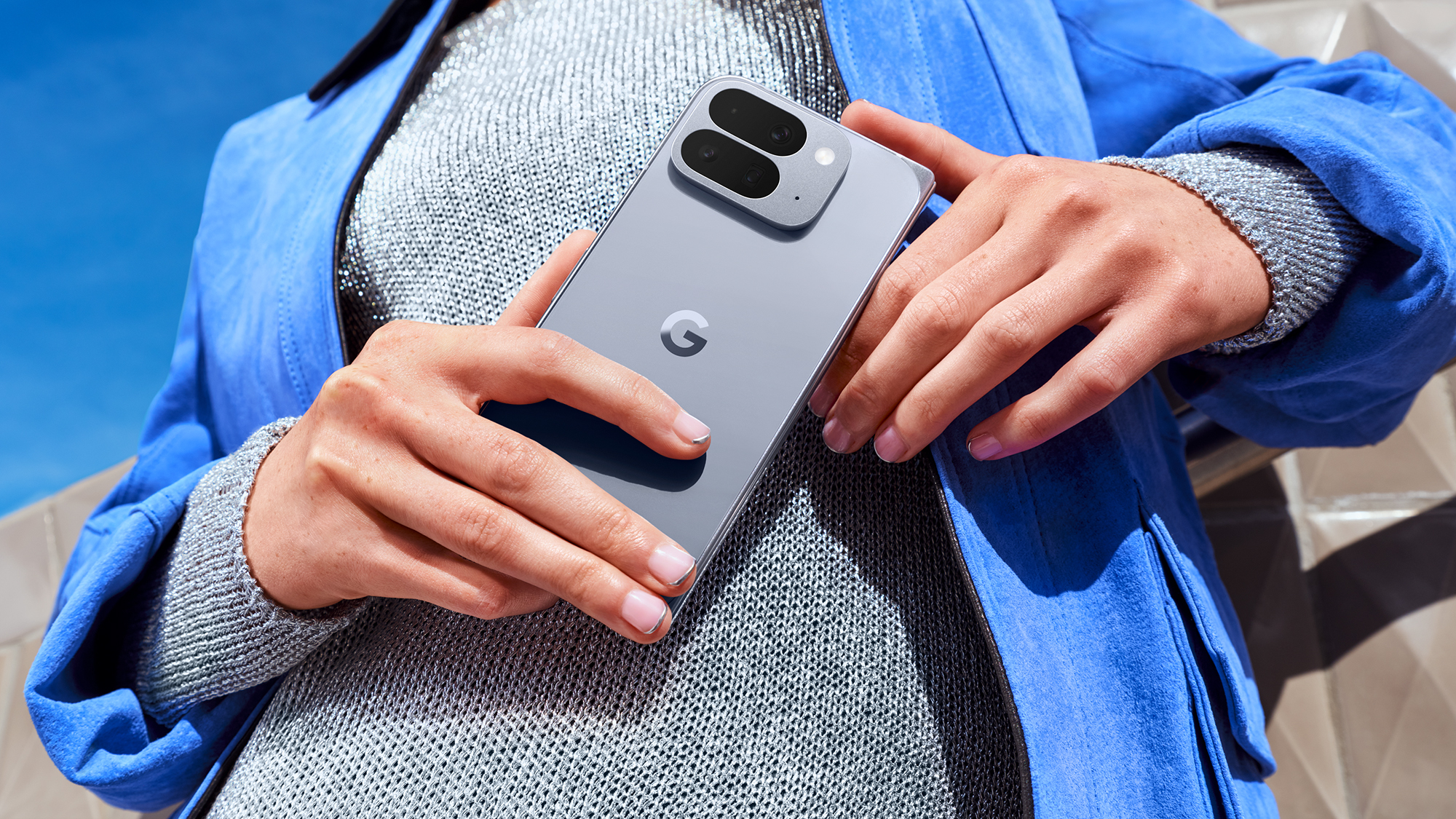
We might have just been treated to six new Pixel devices – including four new phones – but if you were desperate for a flip foldable or a successor to the Pixel Tablet then you’ll need to keep waiting.
Google's Vice President of Devices and Services Shakil Barkat confirmed that there are no plans for a Google flip foldable to join the Pixel 10 Pro Fold. Barkat also ruled out a smart ring, and says the Pixel tablet series is on pause until a "meaningful future" can be figured out for the product category.
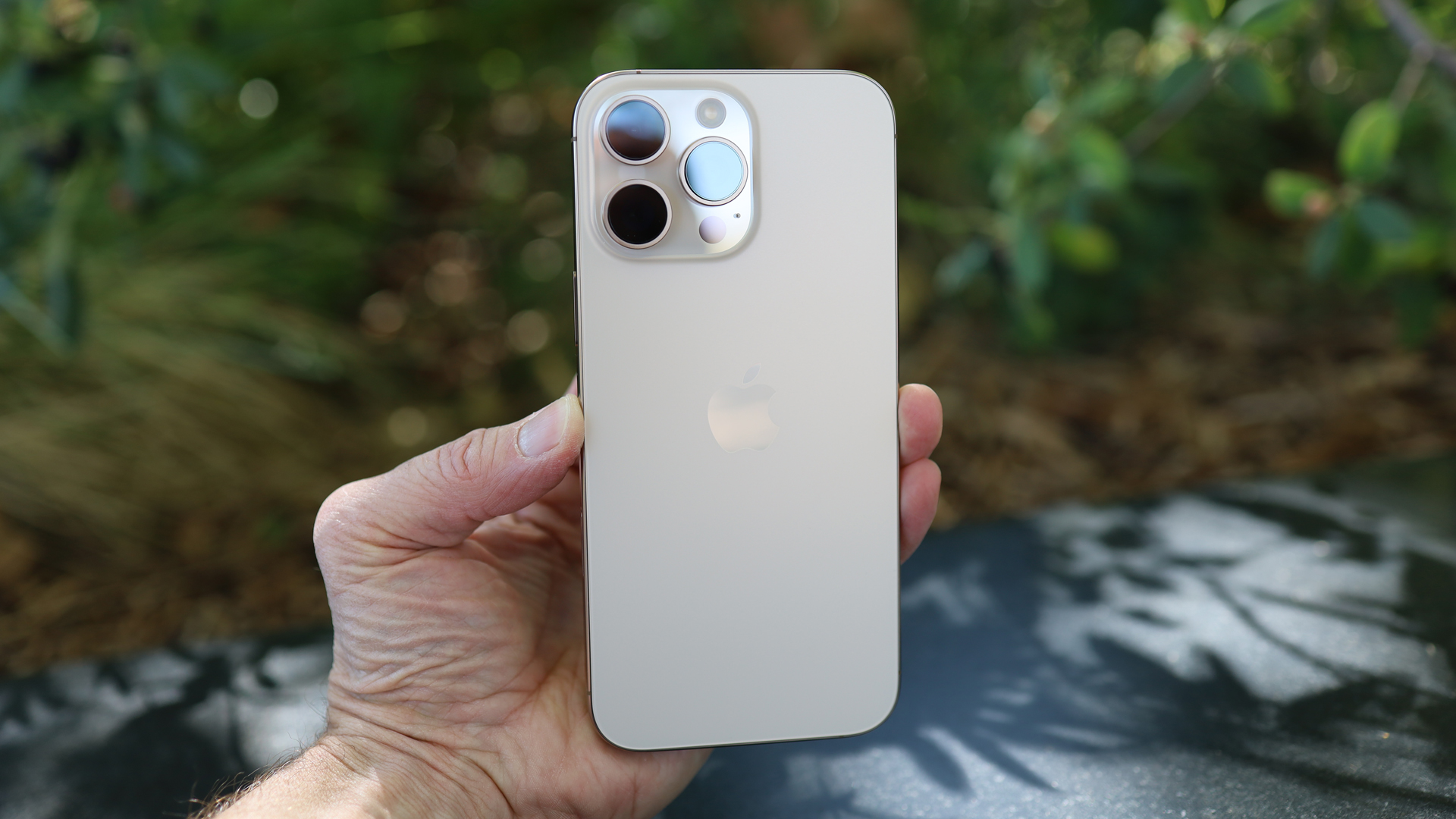
We’ve all been expecting an Apple event in September, and the Cupertino-based technology giant has just made it official by sending out invites for a special event on September 9, with the tagline, “Awe dropping”.
It’ll start at 10am PT / 1pm ET / 6pm BST on September 9, 2025 (3am September 10 AEST) at Apple Park, and we’ll be covering it from the ground to break down all of the biggest announcements as they happen.
Judging by the rumors and what Apple has shown off at previous September special events, we’re expecting the iPhone 17 lineup – including the all-new, super-thin iPhone 17 Air – new Apple Watches, and even AirPods. So as always you won’t want to miss it!















0 coment�rios: