via TechRadar - All the latest technology news https://ift.tt/4KlVSBh
Solid state drives (SSDs) have come a long way in the past few years but now new data from Backblaze's latest Drive Stats report suggests they've become as reliable as hard disk drives (HDDs).
The cloud storage and cloud backup provider publishes annual as well as quarterly Drive Stat reports on the performance of the drives that make up its two exabytes of data storage. Up until last year though, these reports were focused solely on the performance of its HDDs.
With the release of its 2021 Drive Stats report, Backblaze has provided further insight on the performance of the SSDs it uses as boot drives in its storage servers. The company first began using SSDs this way at the end of 2018 though it also uses them to store log files and temporary files created by its servers according to principal cloud storage storyteller at Backblaze, Andy Klein.
Since introducing SSDs in its storage servers in 2018, the company has now amassed a total of 2,200 SSDs with some running in its servers for a longer period of time than others.
In a new blog post, Klein broke down the data of Backblaze's 2021 Drive Stats report by manufacturer, model and usage days to determine the failure rates of each of the SSDs it's currently using for both its cloud storage and cloud backup services.
For instance, the 500GB Crucial CT250MX500SSD1 and the 2TB Seagate ZA2000CM10002 SSD both had high annualized failure rates (AFR) of 43.22 percent and 28.81 percent respectively though these two drivers were outliers. Meanwhile the 240GB Micron MTFDDAV240TCB SSD had a 7.63 percent AFR while the rest of the Seagate SSDs in Backblaze's arsenal had an AFR that was less than one percent. To put this in perspective, the average AFR for Backblaze's 24 different HDD models was 1.01 percent during the same time period.
Surprisingly, none of the company's 500GB Dell DELLBOSS VD SSDs failed despite being in operation for 12,560 days and the same was true for its 500GB Seagate ZA500CM10002 which were used for about half the time with 6,346 days in operation.
According to Klein, Backblaze usually expects to see a one to two percent annual failure rate for each of its SSDs though “anything less is great and anything more bears watching”. One of the ways in which the company watches the performance of both its HDDs and now SSDs is by tracking quarterly results.
Backblaze has made its 2021 drive data available for anyone to download and analyze on their own and we'll likely know more about the reliability of SSDs when the firm publishes its next Drive Stats report covering SSDs later this year.
Via The Register

I’m a big fan of indulgent sweet treats such as cake and cookies, and none more so than the humble brownie. This chocolatey-based cake has a crisp top and a fudgy center - whether you’re looking for elevenses or an afternoon pick me up, a brownie is the perfect sweet treat.
However, baking them can be time-consuming, taking around 35 minutes to cook in the oven, and the results can be unpredictable - it’s a fine line between a squidgy center and the brownie being underbaked.
The best air fryers have a much smaller cooking cavity than a traditional oven, which means the hot air can circulate around food more rapidly, cooking it quicker than traditional methods. This also means the results tend to be more consistent - something I experienced when I made French Toast in an air fryer.
This led me to wonder if using an air fryer might have a better result, turning out brownies with a crisp shell and a squidgy center far quicker than an oven?
Read on to discover what happened when we attempted to make brownies in an air fryer - or, if you’ve already decided you want to invest in this handy kitchen appliance, check out the best prices on the best air fryers we like right now:
I’m a huge fan of a bakery in London called Konditor and Cook - it offers an array of delicious cakes and cookies, but for me, its brownies are second to none.
It offers the perfect balance of crispness and gooey, fudginess. However, as the branches of the bakery aren’t close to areas I frequent, and until recently they didn’t deliver to my home address, I don’t get a chance to enjoy the brownies as often as I’d like.
I couldn’t have been more thrilled when the recipe was published online by Hello - it meant I could enjoy these delicious brownies whenever I like. In fact, they became a staple bake for me during lockdown. So it made sense that it was this recipe I used when trying to cook brownies in an air fryer.
I mixed the ingredients into a smooth batter - do check out the recipe for a more detailed guide on how to do this - and went to fill a baking tin with it. However, while I would usually line an 8-inch square baking pan with parchment paper and add the brownie batter, it became clear this wasn’t going to be viable.
Instant, the manufacturers of the Vortex Plus air fryer we were using (and currently our top-rated air fryer) state there must be 1 inch / 2.5 cm of space around any metal or glass containers placed in the air fryer.
Due to the lip on the 8-inch square tin, I wasn’t even able to get it to fit inside the frying basket, let alone with enough space surrounding it. So instead, I opted for an 8-inch circular pan that I’ve previously used to make cinnamon rolls in an air fryer.
Some basic calculations made it clear that the pan could not hold the same quantity of batter as my usual tin, so I poured slightly over half the batter into the pan, leaving the remainder to one side for cooking up after this batch of brownies had finished.
Now there was nothing left to do other than get cooking.
When it came to the cooking temperature and duration, I thought back to when I made air fryer donuts so well, my partner thought they were from Krispy Kreme. There, I learnt through trial and error that it's best to use the same temperature as stated in the recipe, so I set the air fryer to 356 F / 180 C.
As I was using slightly less batter than usual, I opted for a cooking duration of 17 minutes, which is half the usual time I cook these brownies for. I reasoned that if the brownies weren’t ready, I could cook them for a few additional minutes, rather than have to scrap the whole batch if they were overcooked.
The easy way to tell brownies are ready? Give the pan a gentle shake, the brownie won’t wobble (if it does it's underbaked) Also look for a shiny top that’s slightly cracked.
I dialled in the temperature and duration on the Instant Vortex Plus, which saw the appliance preheat for three minutes before alerting me it had reached the required temperature. I then placed the pan of brownie batter on the crisper plate in the air fryer basket and cooking commenced.
Part way through cooking the air fryer alerted me that it’s time to turn the contents of the basket, so the hot air can reach every inch of the food to ensure a crisp finish. However, in this instance, I chose to ignore the alert, as, unlike other cakes, brownies shouldn’t be cooked all the way through: this is what creates the gooey center.
Air fryers have much smaller cooking cavities than ovens, which means the hot can circulate more rapidly around food, which is why it cooks quicker. That's why I thought it would be good for speeding up the time brownies take to cook, while still maintaining the goey, fudgy center.
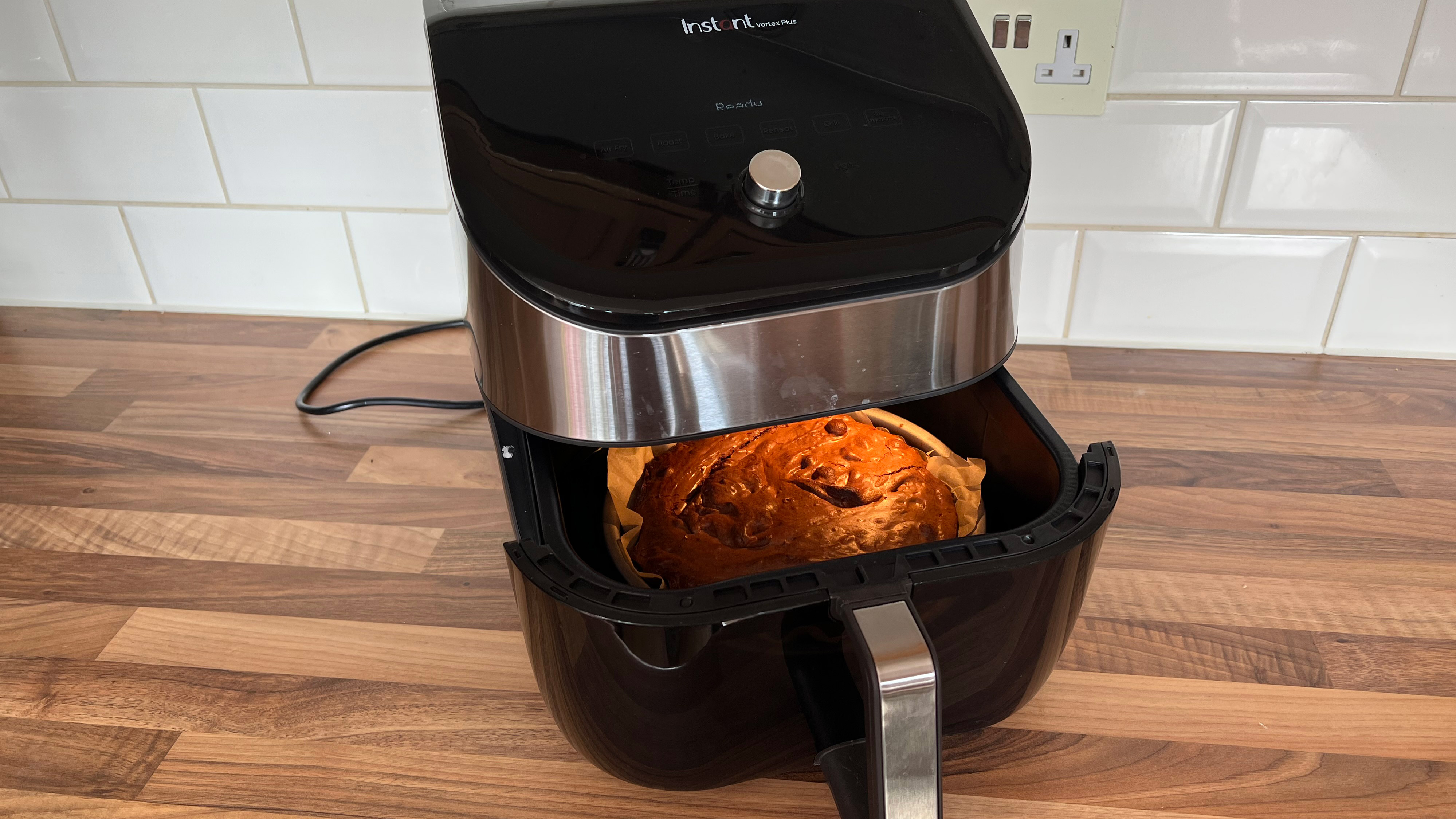
Once I got to the end of the cooking time, I opened the air fryer drawer and the brownie was clearly cooked. Given the top was shiny and had a couple of cracks in it, I lifted the pan out and gave it a gentle shake - zero wobble, so as far as I was concerned the brownies were cooked to my liking (if you prefer brownies that are cakeier (ie, firmer), consider increasing the cooking duration by a few minutes).
I removed the cake pan from the frying basket and left it on the side to cool. I then transferred the brownies to the fridge for a couple of hours to ensure the fudgy center firmed up a little and didn’t create a sticky mess when being eaten.
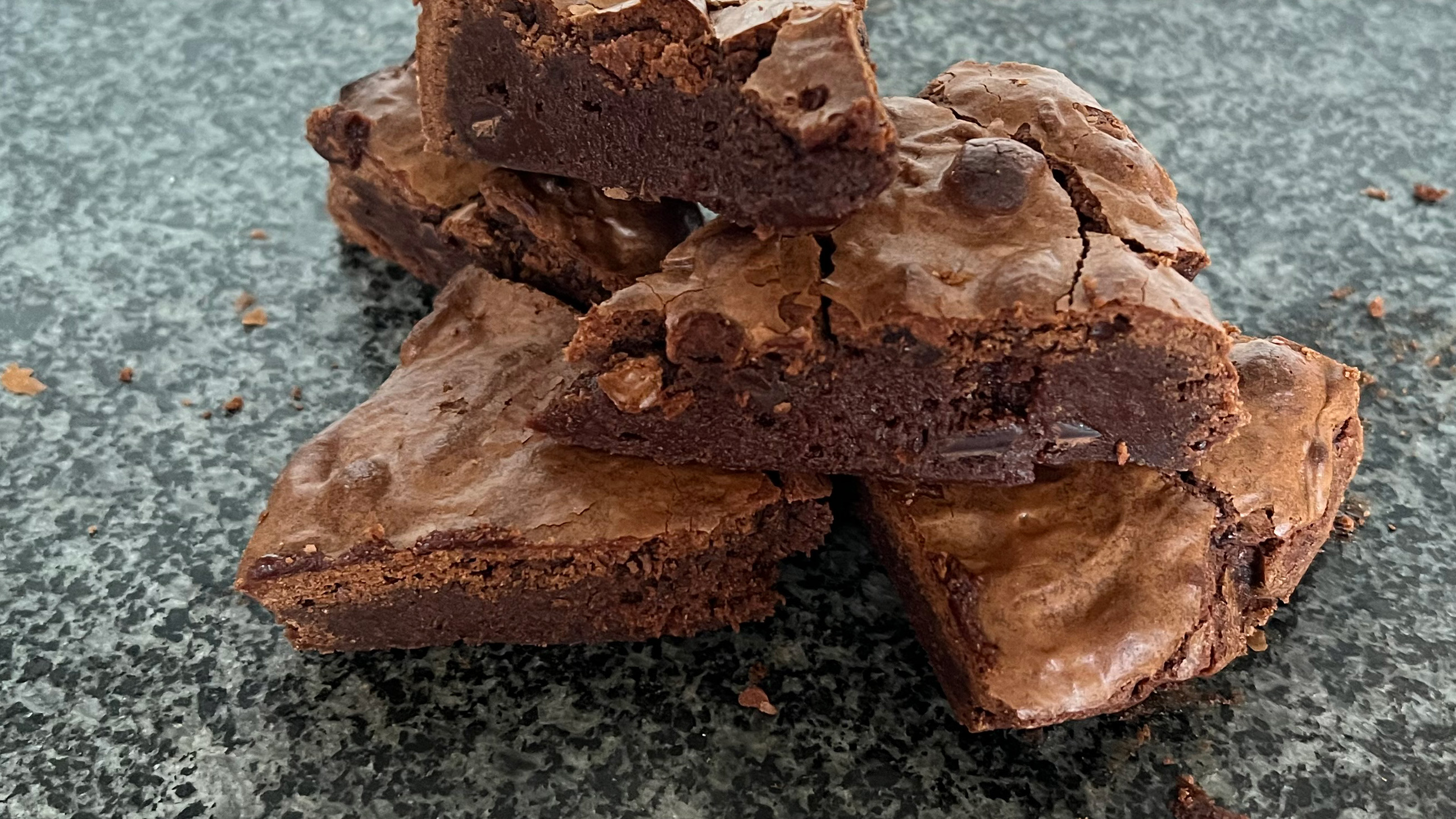
After an agonizing wait ( they smelt so delicious), it was time to cut into the brownies. The top cracked and made a pleasing crunch as I sliced into it, and I was relieved to see the center was fudgy but not runny. A quick taste test confirmed these were as good as every batch of brownies I made in my oven. Using an air fryer really had sped up cooking time without affecting the texture.
So now I’ve proved I can get my brownie fix in almost half the cooking time it takes in usual methods, I certainly will carry on using an air fryer next time I want a chocolatey-fudgy treat to indulge in - and you should too.
The UK competition watchdog has given its approval to the sale of 6,000 mobile sites owned by Three’s parent company CK Hutchison - provided new owner Cellnex dispenses with 1,000 of its own.
The Competition and Markets Authority (CMA) had been holding up the completion of a €10 billion deal covering six European markets, fearing that it would give Cellnex too strong a position in the passive infrastructure market following its purchase of Arqiva’s assets in 2020.
Transactions for CK Hutchison’s masts have already been approved in Austria, Denmark, Ireland, Italy, Sweden.
Specifically, the CMA feared Cellnex’s position would prevent the creation of an alternative infrastructure provider, strengthening Cellnex’s hand in negotiations with mobile operators. This situation, it argued, and would ultimately lead to higher prices and lower quality mobile service for consumers.
However, the CMA is satisfied that its concerns can be addressed if Cellnex sells any site that geographically overlaps with one it intends to purchase from CK Hutchison. Any buyer would need to be approved by the CMA.
“Our decision today helps protect competition in infrastructure that mobile phone operators rely on,” declared Richard Feasey, Chair of the independent Inquiry Group. “The sale of this significant package of assets will allow a major supplier to compete against Cellnex when mobile networks look to negotiate new contracts in future.
“This, in turn, stops the threat of higher prices or worse terms for the operators and their customers as a result of this deal.”
Cellnex leases out infrastructure such as towers to operators so they can install their active equipment such as antennas to power their services. Using a third-party provider means operators are spared the additional cost and burden of maintenance.
Rival operator BT-EE had also argued the deal would impact competition but Three and Cellnex claimed the merger would actually achieve the opposite effect. In their submission to the CMA, the two companies said the deal was “strongly pro-competitive” and reflected a wider trend in the industry for operators to spin off or sell their passive infrastructure to third parties in order to raise revenues for network construction.
Cellnex added the mobile market will benefit from its ability to offer third parties access to the masts and accelerate the rollout of 5G across the UK from all operators. Meanwhile, CK Hutchison said the deal will unlock vital funds for its own 5G rollout.

Anyone who has one of the best coffee makers will know what a delicious cup of java tastes like, but knowing how coffee makers work is another thing altogether. There are so many different machines on the market and each operates slightly differently, but here we’re finding out exactly how each coffee maker works and what you can use each one for.
Whether you have an espresso machine, a single-serve coffee maker or a bean-to-cup coffee machine, all coffee makers operate in different ways and each one has different capabilities. Espresso machines are designed to create concentrated shots of coffee but some of these machines have steam wands so that you can create milk-based coffees such as a latte or a cappuccino.
Pod coffee machines (another name for single-serve coffee makers) are simpler to use but can still create a variety of drinks depending on which pods you buy. Bean-to-cup machines are easier still because they take care of every step in the coffee-making process by grinding the beans, frothing milk, and creating a fully-prepared coffee. There are lots of different types of coffee makers and here’s how each works.
Single-serve coffee machines, which are often referred to as pod coffee makers, can only dispense one coffee at a time so they’re not ideal if you want to make lots of coffee for lots of people at the same time. Pod machines use capsules that are packed with concentrated coffee ground. Coffee pods are the name given to K-Cups, Nespresso pods, and those flat discs of coffee that slide straight into the machine.
Pod coffee machines normally have a water tank at the back which needs filling up before you can get started. For the best results, filtered water is recommended especially if you live in an area with hard water.
The coffee machine then takes the water from the tank so that a heating element can warm up the water. From here, the piping hot water will pass through the coffee pod you’ve placed inside the machine (normally after it has pierced a small hole at the top of the capsule), and concentrated coffee will then drip into the cup you’ve placed below it.
However, rather than chucking the used coffee capsule in the garbage - it's estimated some 56 billion single-serve pods end up in landfill each year, find out how to recycle Nespresso Pods, along with other brands of coffee capsules, to make using this type of coffee machine more sustainable.
In the same way that pod machines have a water reservoir, espresso machines also need water in order to work. Professional espresso machines are normally plumbed into a mains water supply, but for home use, espresso machines have a water tank. The same idea of using filtered water also applies to every type of coffee machine, and this isn’t only because it affects the taste, but because it helps to minimize calcium build-up in the machine’s pipework.
Espresso machines create strong, concentrated shots of coffee but in order to get the water from the reservoir and through the ground coffee, they require a powerful pump. The power of these pumps is measured in bars and the industry standard for an espresso machine pump is nine bars, although you can get models with an even higher bar.
Having the power to push water through the ground coffee is all well and good but this won’t heat the water up and that’s where a boiler comes in. Some espresso machines have just one boiler that heats up the water and others have two boilers so that water and milk can be heated simultaneously. You can also buy fancier machines that heat the water and then store it so that it’s ready for when you want to make another drink.
Different espresso machines will offer different levels of control over the temperature of your water. More affordable machines sometimes don’t even offer the option to adjust the water temperature, whereas, more expensive models have digital controls that allow you to adjust the temperature.
For espresso machines with dual boilers, the water is heated to different temperatures. One boiler will heat water so that it’s just the right temperature for pushing through the ground coffee to make a good shot of espresso, the other boiler will heat the water so that it’s hot enough to create steam ready to travel down the steam wand to froth milk.
Once the boilers have heated the water to the optimum temperature, the water then drips through the group head and through the portafilter, which is the basket that holds the coffee and sits in a handle that you twist into place.
You can find out in-depth how to use an espresso machine in our article.
Just like the espresso machines, bean-to-cup coffee makers, which are sometime also known as automatic coffee machines, push pressurized hot water through a disc of ground coffee to create a short, intense espresso. However, this whole process is handled by the machine; from grinding the beans and compressing the grounds into a puck, to dispensing the correct volume of water - meaning you can get a consistent coffee every time with just one or two taps.
There are two styles of bean-to-cup coffee machines on the market - those that have a manual steam wand and those that come with the ability to dispense perfectly texturized milk into the coffee to create barista-style drinks with minimal input from you.
The hands-off machines that take care of milk texturizing along with everything else typically offer a selection of coffee types on a menu screen. You can choose between coffee shop favorites such as intense espresso, frothy cappuccino, silky latte, or flat white. Then fill the built-in carafe with milk, so the machine can texturize it and dispense the correct amount for the coffee selected. Often the milk carafe is removable so you can pop it back in the fridge between coffees and avoid the horror of sour milk in your drink.
Alternatively, those that come with a manual steam wand, let you select a coffee base for your hot drink; for example, a single or double espresso or a longer coffee such as a ristretto and it dispenses it into a cup. It's then up to you to fill a jug with the correct amount of milk, or a non-dairy alternative, for your desired coffee-based drink and texturize it before adding it to the cup.
Discover in more detail how bean-to-cup coffee machines work in our article.
Filter coffee machines are sometimes called drip coffee makers and these machines feature a basket where you place a filter and the ground coffee, a water reservoir, and a carafe where the brewed coffee drips into. As with all other machines, the coffee maker will require water to get to work.
The water will be warmed up by a heating element coil and that hot water is then passed into the filter basket via tube. The hot water is dripped through on top of the coffee grounds and this then passes through a filter to end up in the carafe below. The heating element also heats a hot plate beneath the carafe so that you can keep the coffee warm after it has brewed.
French press coffee makers are manual machines so they’re pretty simple to understand. After placing ground coffee in the carafe and adding hot water, the plunger on a French press coffee maker has a circular filter that stretches the entire diameter of the carafe - after a few minutes, this filter is pushed down and separates the coffee grounds from the brewed coffee.
Despite all the time spent working from home during the pandemic, a new study from AT&T has revealed that the vast majority of businesses lack a detailed hybrid work strategy.
To compile their new Future of Work study, the US mobile carrier and Dubber Corporation Limited surveyed 303 US-based respondents between October and November of last year to discover that 72 percent of organizations don't currently have a hybrid work strategy while 76 percent lack the right key performance indicators (KPIs) to support hybrid working models.
Still though, the research shows that hybrid work will be the standard operating model across industries by 2024 according to 81 percent of respondents with slightly more than half (56%) of work done offsite. There also still exists tension between what employees and organizations want as 86 percent of employees prefer a hybrid work model but 64 percent believe their organization would rather use a on-premise work model.
SVP of marketing at AT&T Business, Alicia Dietsch provided further insights on the results of its Future of Work study in a press release, saying:
“There’s been a non-reversible shift in the way business is done thanks to the constraints of COVID-19. It’s clear that a successful talent program now requires a hybrid work policy, but that policy needs to be supported by a strategic tech-first cultural reset, to ensure business growth and competition. Firms need to ask themselves if they have the in-house expertise to achieve this, or whether it’s now time to go beyond a partner in remote infrastructure rollout to a partner in tech-first remote business strategy.”
Last year represented a major shift in how companies conducted business with just under a quarter (24%) of those surveyed saying that their employees worked onsite. Before the pandemic, these non-traditional work models were often viewed as employee perks but they are quickly becoming the norm.
When it came to the barriers to successful hybrid work, respondents said that lack of workplace innovation, insufficient oversight and cultural shifts presented the biggest challenges. However, participants believe that investments in strategy, building culture remotely and the application of AI in critical business use-cases can help firms successfully transition to a hybrid-first work environment.
Chief experience officers also identified maintaining employee oversight, losing institutional/tribal knowledge and sustaining company culture as other challenges to effective hybrid work. Despite these challenges, mass adoption of new work models has show to be effective with 79 percent of firms believing their employees have been productive though only 45 percent were confident that in employee innovation during the period of the study.
Although hybrid work certainly has its ups and downs, one benefit that can't be overlooked is how adopting a hybrid work model can help attract young talent with 100 percent of those surveyed in agreement on this point.
If you’re in the market for a new iPhone or a new iPad, then it looks likely that Apple will have a couple of new options for you soon, as both the iPhone SE 3 and the iPad Air 5 have been spotted on a retailer’s website.
Specifically, test pages for a new iPhone SE model and a new iPad Air are being built by “one of Asia’s leading mobile networks” according to Evan Blass (a leaker with a great track record), writing for 91Mobiles.
The images below apparently come from these test pages, though we wouldn’t read too much into the devices shown, as these are likely placeholder images showing current models.
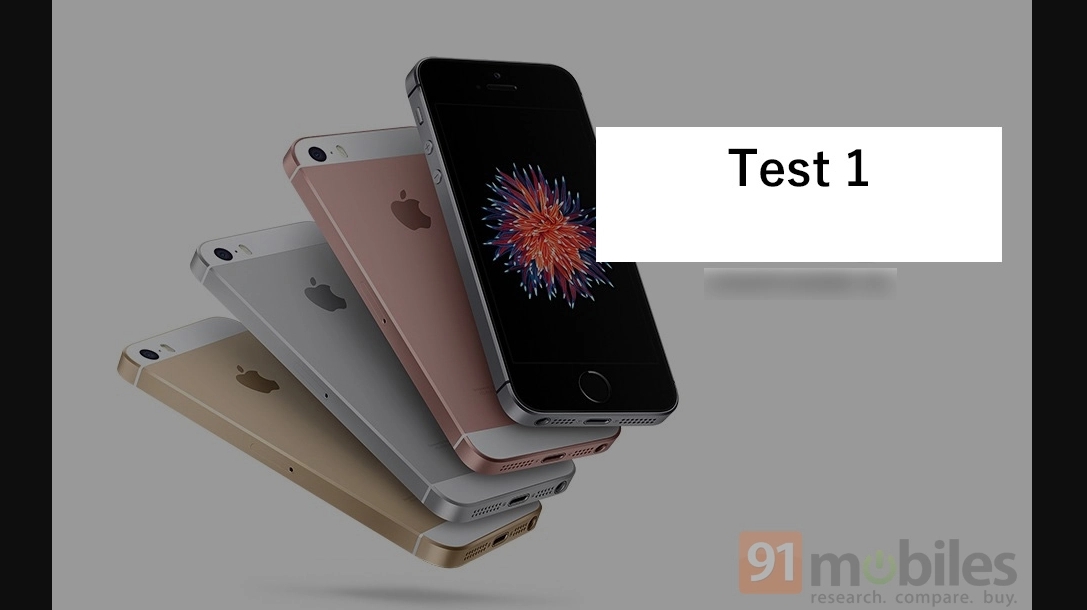
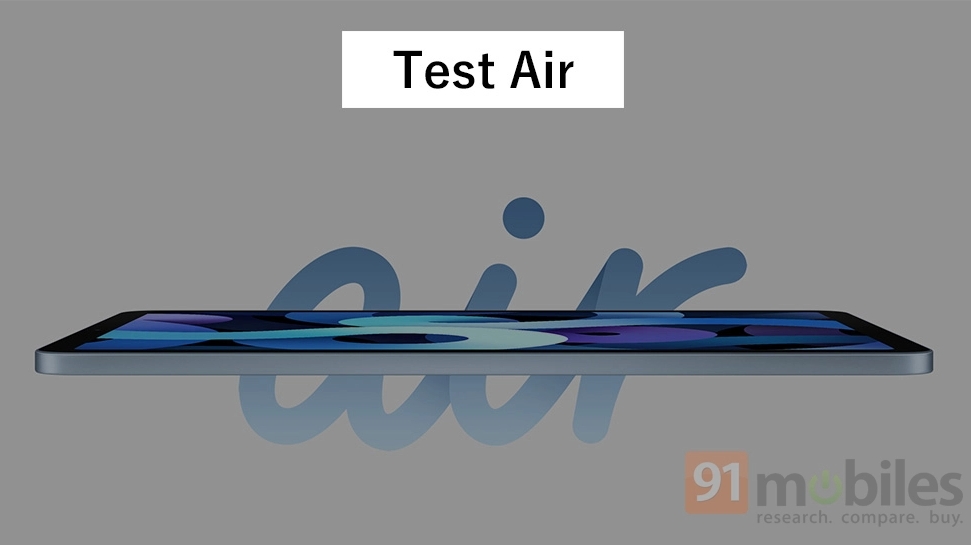
But the fact that these pages are being built strongly suggests that the iPhone SE 3 and iPad Air 5 will be launching imminently.
We can get more specific than that though, as Apple is holding an event on March 8, so the timing of this all but confirms that we’ll see those devices there – not least because a previous leak had also suggested we’d see them at this Apple event. We still can’t be 100% sure, but with less than a week to go we will be soon.
So what should you expect from these upcoming devices? Well, while nothing is confirmed, it’s rumored that the iPhone SE 3 will pack 5G, making it the most affordable way to get 5G on an iPhone.
It’s also thought to have an A15 Bionic chipset (the same as in the iPhone 13 range), but to have largely the same design and screen as its predecessor. That means a 4.7-inch display, big bezels, and a physical home button housing a Touch ID scanner – so don’t expect Face ID here.
The iPad Air 5 meanwhile could see similar upgrades, with the addition of 5G and a more powerful A15 Bionic chipset, along with a 12MP ultra-wide camera on the front, but with a 10.9-inch screen like its predecessor, and a similar design too. So these new generation products seem to mostly be about power and data speeds.
Given that the Oral-B iO Series 9 is our current pick for the best electric toothbrush on the market right now, it’s no surprise to see the tooth care giant doubling down on ensuring its next flagship device, the iO Series 10, is equally well received.
Oral-B unveiled the iO Series 10 back at CES 2022, but the brand has used this year’s MWC (Mobile World Congress) showcase to shed more light on the wireless magnetic charger set to accompany the brush.
Called iOSense, the device – which could moonlight as a hockey puck, by the look of it – will double as an AI companion capable of offering real-time guidance on when, where and how to brush.
Six color-changing lights on the charger will indicate the quality of brushing across six different zones (upper right back teeth, upper front teeth etc), highlighting when you are applying too much or too little pressure to your gums.
Digits on the side of the iOSense, meanwhile, will indicate optimum brushing time before reverting to a helpful digital clock face when you're not brushing.
The iOSense charger will also track brushing habits and provide personalised goals to the user, sending information to the Oral-B app for a more personalized brushing experience – though, without having tested the hardware ourselves, we're not totally sure how this works just yet.
As for the actual brushes Oral-B has on the way this year, the flagship iO Series 10 will lead the line in 2022 ahead of two new entry-level brushes in the same range. The Oral-B iO Series 4 and 5 will boast the same quiet brushless motor as other cleaners in the lineup, but will lack premium features like a touchscreen display and the myriad brushing modes found elsewhere.
Oral-B has confirmed neither prices nor release dates for its new brushes, though we’re confident that both the Series 4 and 5 will be under $100, while the iO Series 10 is almost certain to exceed the $300 / £500 / AU$400 price tag of its predecessor.
In any case, those eager to learn more can register for updates about the new brushes on the brand’s official website. We’ll hopefully have reviews of each model live on the site when they do finally release, too.

Microsoft has decided to delay its planned price increase of Office 365 for an additional two weeks for some of its reseller partners.
Back in August of last year, the software giant announced in a blog post that its first “substantive” price increase since launching Office 365 in 2011 was set to occur on March 1 of 2022.
For those unfamiliar with Microsoft's pricing changes, Microsoft 365 Business Basic will increase from $5 to $6 per user per year, Microsoft 365 Business Premium will go from $20 to $22, Office 365 E1 will go from $8 to $10, Office 365 E3 will go from $20 to $23, Office 365 E5 will go from $35 to $38 and Microsoft 365 E3 will go from $32 to $36.
Thankfully though, pricing will not increase for consumers or Microsoft's education customers at this time but businesses that use Microsoft's office software can expect to pay quite a bit more depending on how many employees they have when they need to renew their subscriptions.
In a support document published at the end of February, Microsoft informed its reseller partners that it had created a “transitional grace period” due to high demand by businesses looking to renew their subscriptions before the company's pricing changes went into effect.
As a result, Cloud Solution Providers (CSPs) now have until 5pm PDT on March 14 or 12am UTC on March 15 to submit transactions and have them invoiced at the software giant's February 2022 pricing. This means that the next few weeks will likely be quite busy for CSPs as businesses try to renew one last time with the old Office 365 pricing.
While Microsoft did wait over a decade to raise the price of both Office 365 and Microsoft 365, some businesses could turn to Google Workspace or other Microsoft Office alternatives following the implementation of the company's planned price increase.
Via ZDNet

We’ve been waiting years for the Google Pixel Watch, but it’s looking like the wait might almost be over, as the wearable has reportedly now been spotted on a US carrier's back-end inventory system.
That’s according to sources speaking to Android Police, who claim the wearable has shown up under the codename ‘rohan,’ which is a name that has previously been linked to the Pixel Watch.
The listing apparently mentions gray, black and gold colors, and 32GB of storage. It’s also likely from this that there will be a cellular version of the Pixel Watch, as the unnamed carrier has never sold a non-cellular smartwatch.
That’s not all that was spotted on this inventory system either, as the sources also claim to have seen something codenamed ‘bluejay’ mentioned in the database.
That name has previously been attached to the Google Pixel 6a, and it’s listed here as coming in black, white, and green shades, with 128GB of storage.
Those are the only details, so sadly there’s no news here on the price or release date, but the mere fact that these devices have been logged in a carrier’s inventory system suggests that the carrier in question is preparing to sell them, which in turn means they’re probably landing very soon.
So how soon is soon? Well, our best guess is May, and more specifically May 26. That date was put forward by leaker Jon Prosser as when we’ll see the Pixel Watch.
He didn’t mention the Pixel 6a, but Max Jambor (another leaker) has said that will land in May, so if they’re launching that close to each other it would make sense for them to be announced together.
We can even go a step further and say that we’ll probably see these devices at Google I/O, as Google’s annual developer conference is almost always held in May, and while it tends to be primarily focused on software, it’s not unusual to see new hardware there too.
We've reached the penultimate day of Mobile World Congress 2022, an annual tech show dedicated to smartphones, tablets, wearables, and other similar gadgets.
The show takes place in Barcelona, and we've got reporters on the ground and also working from afar to bring you all the news, reviews, analyses and features - we've seen a busy few days so far but there's more to come.
We saw lots of product launches on the first day of the event, February 28, and in fact there were a few big press conferences on the day before too. Now we're nearing the end of the show, there's a lot less happening, but that means there's more time to take in the wider trends of the show.
As well as lots of consumer tech launches, MWC is big event for tech business and infrastructure, and our sister-site TechRadar Pro, which focuses on these areas, has their own MWC 2022 live blog here.
This live blog below is for all the big gadget news from the event, and before Day 3 really kicks off, we'll share all the key highlights below, for people who might not have followed along with our earlier blogging.
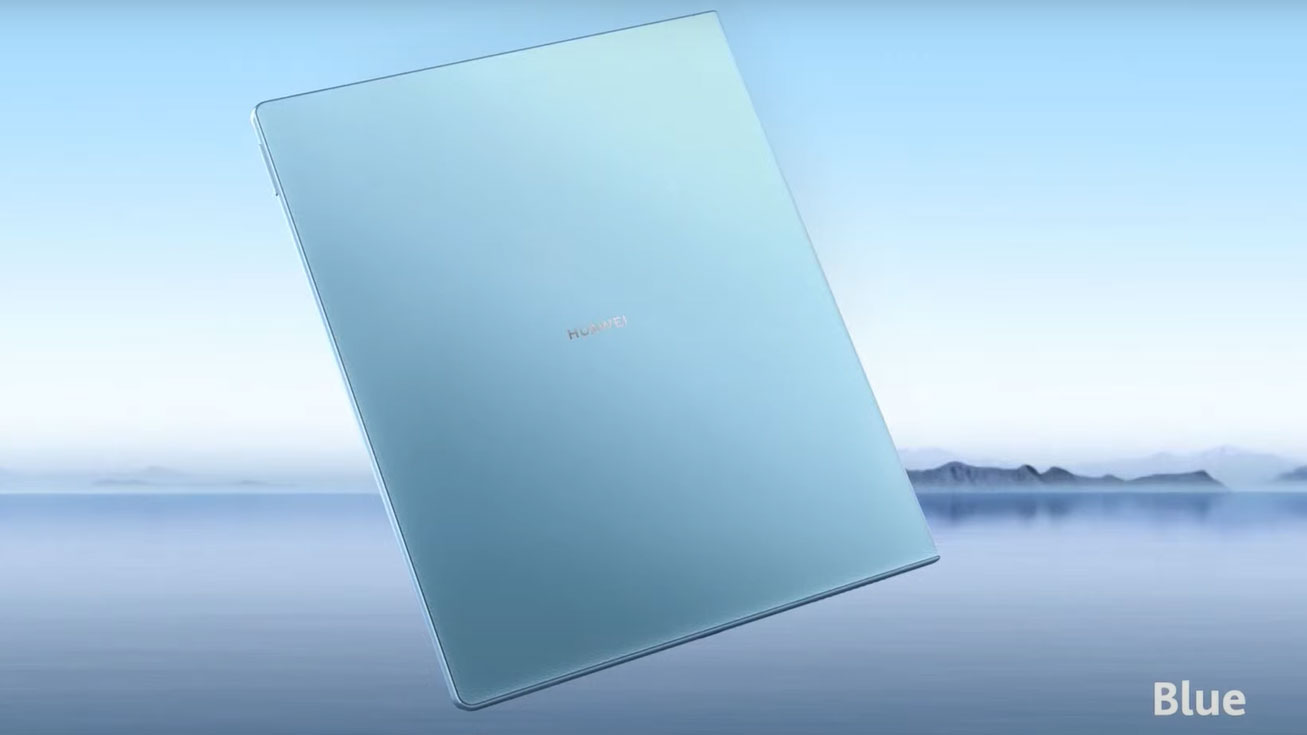
The first day had a few launches:
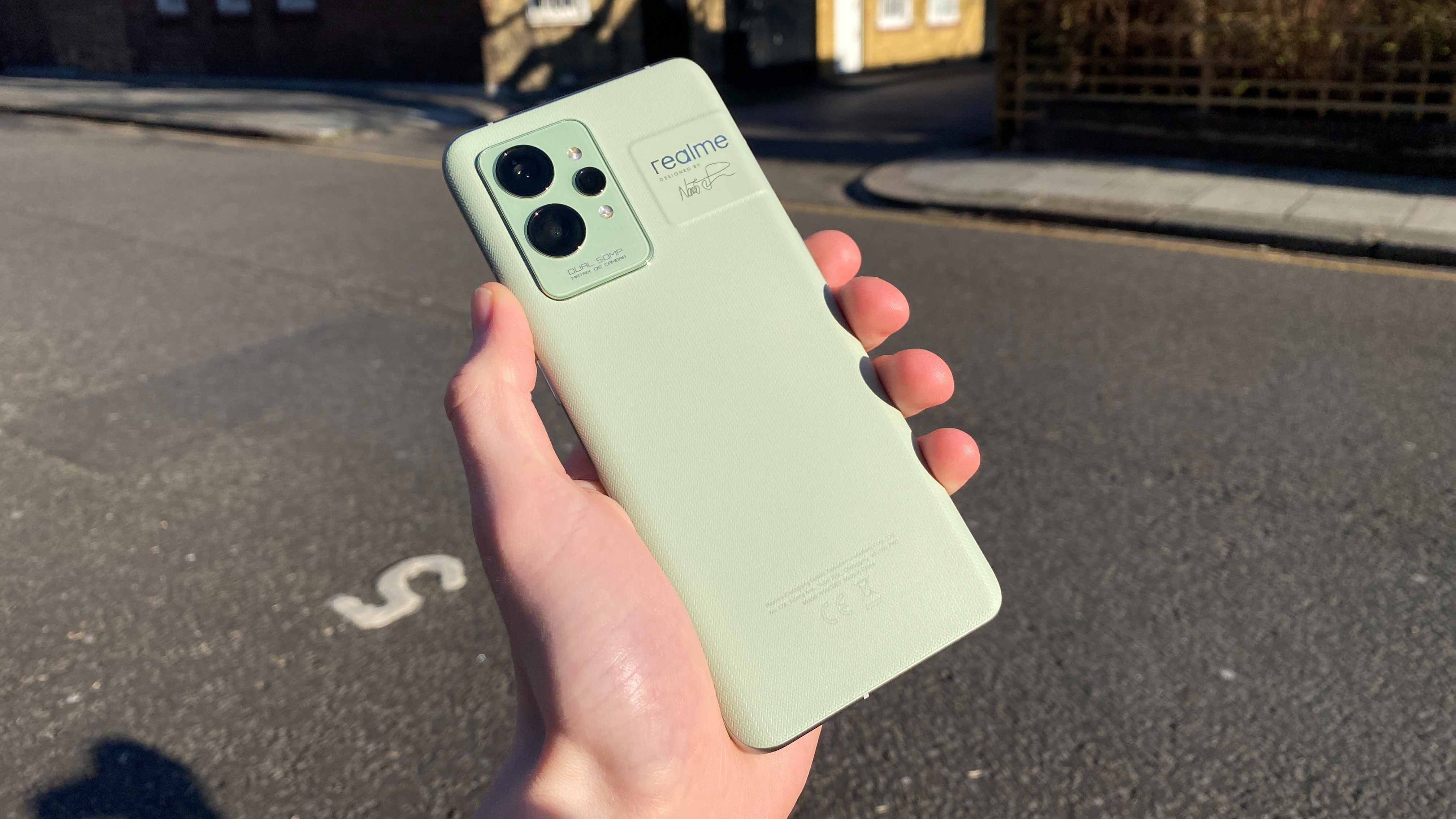
Day 2 of MWC 2022 was an incredibly busy one. We saw:
Realme
Xiaomi Pocophone
Honor
Qualcomm
ZTE
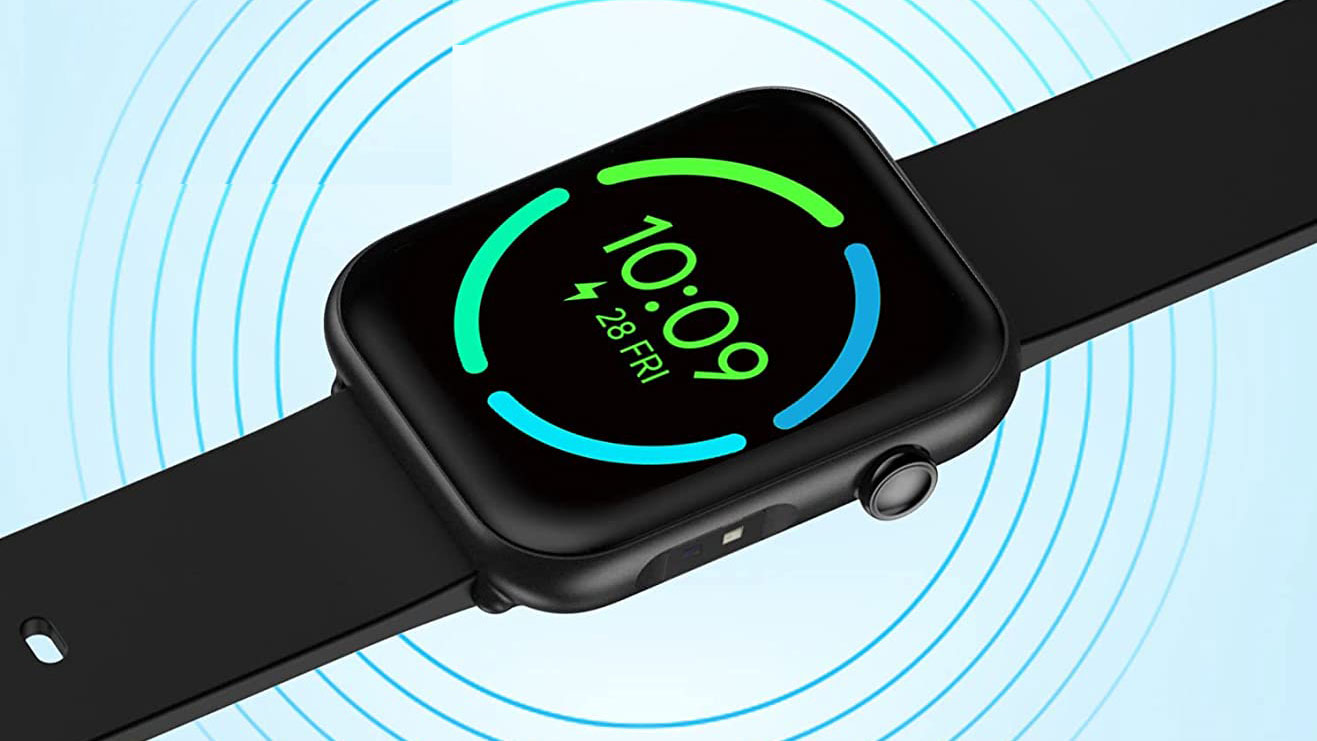
The third day of MWC 2022 was quite quiet compared to the previous day, but we got a few key pieces of coverage up:
And now we're on Day 3, which is actually the fourth day of our coverage, but we counted the Sunday as Day 0 since MWC technically kicks off on the Monday. We're just brewing our morning coffees and waiting for another day of tech.
Don’t go boxing up your original PlayStation VR headset just yet, virtual reality fans. A new report suggests that the PS5’s PSVR 2 headset won’t be ready for another year yet.
That’s according to YouTube leaker PSVR Without Parole (via Road to VR), who has accurately leaked some PSVR 2 specs already. The YouTuber claims that PlayStation VR 2 will miss the crucial Christmas 2022 holiday window, and will instead make its debut in the first quarter of 2023.
Citing “credible sources”, it seems the continued delay is due to ongoing stock shortages of the accompanying console itself, which remains difficult to track down. And with the global supply chain still recovering after two gruelling years of pandemic problems, that’s unlikely to change anytime soon.
Very early on in the PS5’s lifetime, and long before many gamers got their hands on a PlayStation 5, we were aware that a PSVR successor was waiting in the wings. But rather than dropping a huge reveal event for the headset, Sony has favored a drip-feed of information on the device.
First, we were told it was coming, then we were shown its orb-like controllers. CES 2022 finally revealed the PSVR 2 spec sheet and, after months of waiting, Sony gave us our first look at what the headset will actually look like just last week.
With the extended timeline until release proposed here, it’s no wonder Sony is ekeing out the details – after all, we’re still waiting for pricing, games and a precise release date to be revealed.
When you look at the sales figures compared to the lifespan of the PS4 and PS5’s VR introductions, the PS5 is trailing behind. Sony had put around 40 million PlayStation 4 consoles into homes in time for the original PSVR’s release. But slowing sales forecasts due to stock shortages mean there are more likely to be just 32 million PS5s in the wild come Christmas 2022.
It makes sense then that Sony would wait for a later release date once the console has a bigger install base: marketing spends for a launch like this can be phenomenally high, and you only get one chance to make a good first impression. If you’re teasing a cool-looking accessory when gamers can’t even get the console it’s associated with, it could feel like rubbing salt in the wounds.
In the meantime then, PS5 owners will have to make do with the old PlayStation VR headset, which is being kept alive by a reasonably generous flow of 'free' games as part of the Playstation Plus subscription service.
Huawei has reiterated its commitment to remaining a major player on the international stage, despite the political friction it contends with in western markets.
In a pre-recorded message presented at MWC 2022, Huawei’s Rotating Chairman Guo Ping called for his organization to be assessed based on the merits of its products, not the location of its headquarters.
In a veiled allusion to the eradication of Huawei equipment from many European 5G networks on national security grounds, Ping asserted that “to see the future, we need to look up, above the politics, partisanship and rhetoric.”
“Many people ask whether Huawei will retreat from the international market,” he said. “But the answer continues to be, no. We are committed to helping customers who choose us to achieve the greatest business success.”
Huawei is launching a range of products and services at MWC this year, but the company’s core message can be distilled down to something like: look at what you’re missing.
Despite the fact it has been cut out of a number of major European markets (over concerns the firm says have been shown to be unfounded), Huawei has a massive footprint at the Fira in Barcelona, with perhaps the most extravagant booth of any organization.
The company is here to show off its advanced networking technologies, but also its innovations in the context of sustainability, a field in which it claims to be the outright leader. In conversation with TechRadar Pro, multiple spokespeople for mobile operator Orange suggested they would agree with this characterization.
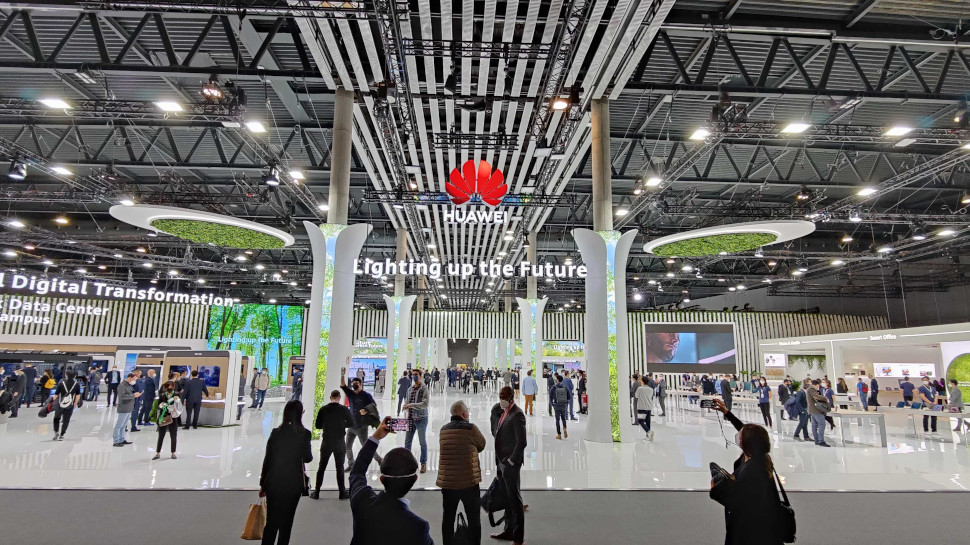
However, the political situation prohibits many telcos in the region (including Orange) from engaging with Huawei, and therefore benefiting from innovations coming out of the Chinese organization. Instead, they must build out their networks with equipment from Nokia and Ericsson.
Although the climate shows no signs of shifting in Huawei’s favor, Ping says his organization will nonetheless increase its investment in “foundational technologies” that will “reshape the technological paradigm”.
“We are reshaping three areas – fundamental theories, architecture and software – that will support the long-term sustainable development of the ICT industry.”
MWC (Mobile World Congress) is the world's largest showcase for the mobile industry, stuffed full of the newest phones, tablets, wearables and more. TechRadar is reporting on the show all week. Follow our MWC 2022 live blog for the very latest news as it happens and visit our dedicated MWC 2022 hub for a round-up of the biggest announcements.
Disclaimer: Our flights and accommodation for MWC 2022 were funded by Huawei, but the organization had no editorial control over the content of this article.
 faran follow
BLUETTI FridgePower review
Examining the ‘pipeline problem’
Easemate.ai review
The iPhone feature that lets families share apps is being used to scam people
Kobo Nia takes on Amazon's entry-level Kindle with a sharper screen
I've tested a bunch of Shark vacuums and they all have the same problem
Best website builder of 2019
Microsoft boosts its AI translation capabilities
Overwatch 2 is getting its first musical collab with K-pop girl group LE SSERAFIM
faran follow
BLUETTI FridgePower review
Examining the ‘pipeline problem’
Easemate.ai review
The iPhone feature that lets families share apps is being used to scam people
Kobo Nia takes on Amazon's entry-level Kindle with a sharper screen
I've tested a bunch of Shark vacuums and they all have the same problem
Best website builder of 2019
Microsoft boosts its AI translation capabilities
Overwatch 2 is getting its first musical collab with K-pop girl group LE SSERAFIM
Follow Us
Were this world an endless plain, and by sailing eastward we could for ever reach new distances