We're mostly focused on the Samsung Galaxy S24 right now, but the Galaxy Z Fold 6 and Galaxy Z Flip 6 will follow soon after – and a new leak suggests that these foldable phones will come with 'Ironflex' displays that are tougher than ever.
Ironflex is the term used in a new trademark filing from Samsung (via GalaxyClub and SamMobile), submitted to the Korean Intellectual Property Office (KIPO) and associated with a "foldable OLED display panel" and a "foldable smartphone".
Unfortunately we don't get too much information about what Ironflex is or what it refers to – but we assume that a trademark with that name, linked to foldable smartphone displays, is going to be used to market more resilient screen technology.
In the filing, Samsung goes on to mention wearable display monitors and foldable tablet computers, so it's possible that Ironflex is going to be making its way into virtual reality headsets and on to laptop displays as well, in the not-too-distant future.
Strength matters
While it's not certain what Ironflex is, or if the trademark will be used alongside the Samsung Galaxy Z Fold 6 and Samsung Galaxy Z Flip 6, it makes sense that Samsung would want to reassure consumers about the resilience of its foldable displays.
Foldable phones are more durable than ever before, but the screen hinge adds another point of failure compared with standard smartphones that don't bend. If that's not a worry for phone buyers, then that means more sales for Samsung.
Speaking of extra resilience, Samsung head of mobile TM Roh has gone on record as saying that dustproofing protection is on the agenda for the 2024 foldable phones from the company, with changes in display configurations also expected.
If you've been struggling to reboot during the first week of 2024 and have missed the latest tech news, fear not – we've rounded up all of this week's big stories in one handy place, so you can get back to January hibernation.
With CES 2024 on the horizon, which officially kicks off on January 9, we're starting to some of the big releases get pre-show announcements – including the Dell XPS 16 and LG's new 2024 OLED TV range.
Beyond CES, there's another big tech launch approaching – and this week we also got the official launch date for the Samsung Galaxy S24 series. But arguably more important than all of these tech announcements is your fitness plan for 2024 – and fortunately, we had that covered this week too with our impressive range of Get Fit for '24 articles...
It’s January, and in the spirit of the season, TechRadar’s fitness and wearables channel has come rocketing out the gate with a selection of great fitness content to kick-start your 2024, whatever your current fitness level.
Experienced runners might be looking to run their first marathon, or even take on a triathlon. Our news editor shares his expertise, writing 5 things you need to know before open-water swimming, and we’ve got a selection of high-energy air fryer recipes to fuel serious cardio sessions. And that’s just scratching the surface of the great content on offer – check out the contents page to see all our Get Fit for ‘24 articles as they drop.
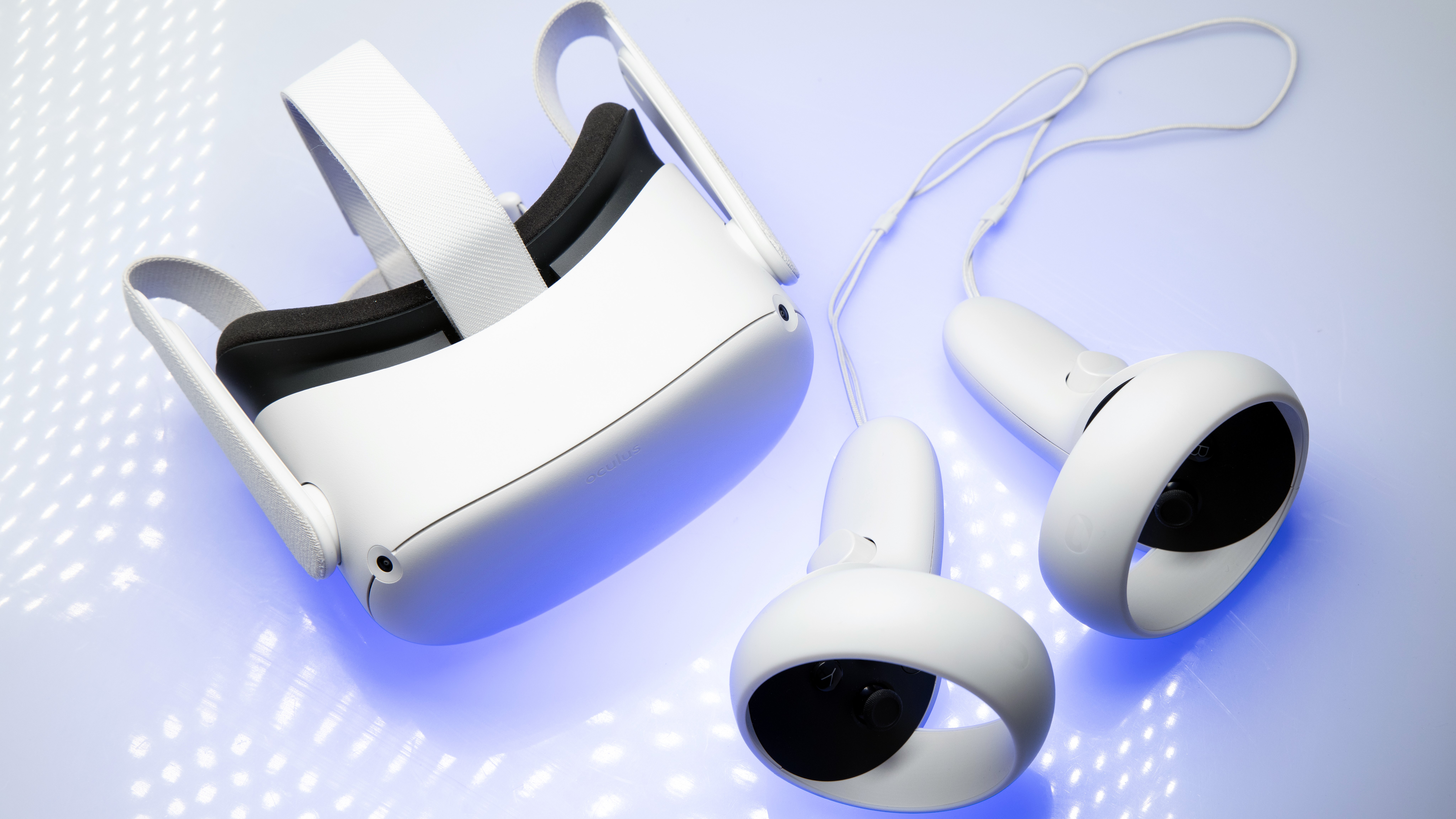
Meta kicked 2024 off by announcing that its Quest 2 headset is getting a permanent $50 / £50 / AU$70 price cut – making it as cheap as we saw during Black Friday 2023. You can also save on the official Quest 2 accessories like Meta’s Elite Strap and Carrying Case, so you can upgrade your VR experience on a budget.
This record-low cost makes VR more accessible than ever, but it also signals that the Quest 2 is on the way out. The Oculus (now Meta) Quest 2 single-handedly made VR mainstream but now that its successor is on shelves – the Meta Quest 3 – it appears that the older model is being sunset. This lower price is likely intended to help Meta shift old units before laying the headset to rest in the near future.
Death and Other Details, a new whodunit series from the sister streamer to Disney Plus, is a mystery-thriller that’s sure to pique the interest of fans of Agatha Christie, Hercule Poirot, Sherlock Holmes, and other esteemed fictional detectives. Set aboard a luxury cruise liner, it sees Violett Beane’s Imogene Scott team up with Mandy Patinkin’s Rufus Coleworth to solve a locked-room murder case. Scott will want to aid Coleworth in getting to the bottom of this particular head-scratcher, too, as she’s installed as prime suspect among many of the boat’s crew and guests.
Will Death and Other Details be buoyant enough to stay afloat and make it onto our best Hulu shows list? That remains to be seen. But, if you’re looking for a suspense-filled murder mystery to become engrossed in, be sure to catch it on one of the world’s best streaming services when it debuts on January 16.
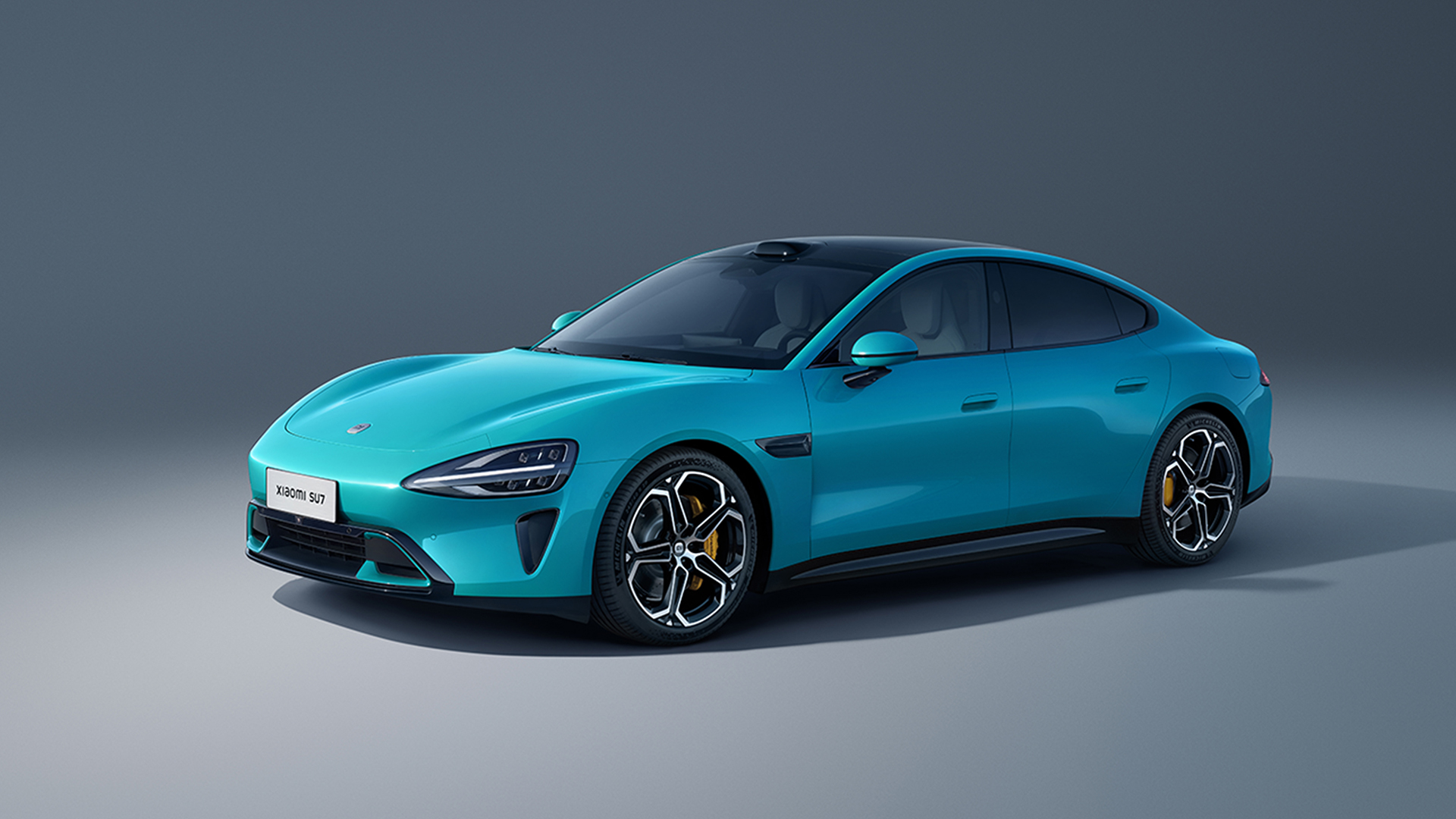
Just a few weeks ago, we were predicting that your next car would likely come from a tech company – and as if to confirm our prediction, this week Xiaomi revealed more about its plans to topple Porsche and Tesla with its first EV.
On paper, the Xiaomi SU7 is an exciting car (or perhaps, smartphone-on-wheels), with fast-charging powers (the 800V version can add 137 miles of range in just five minutes), next-gen autonomous driving skills, and autonomous parking.
While we don't yet have any pricing details, Xiaomi says the SU7 will go on sale globally after its initial launch in China this year.
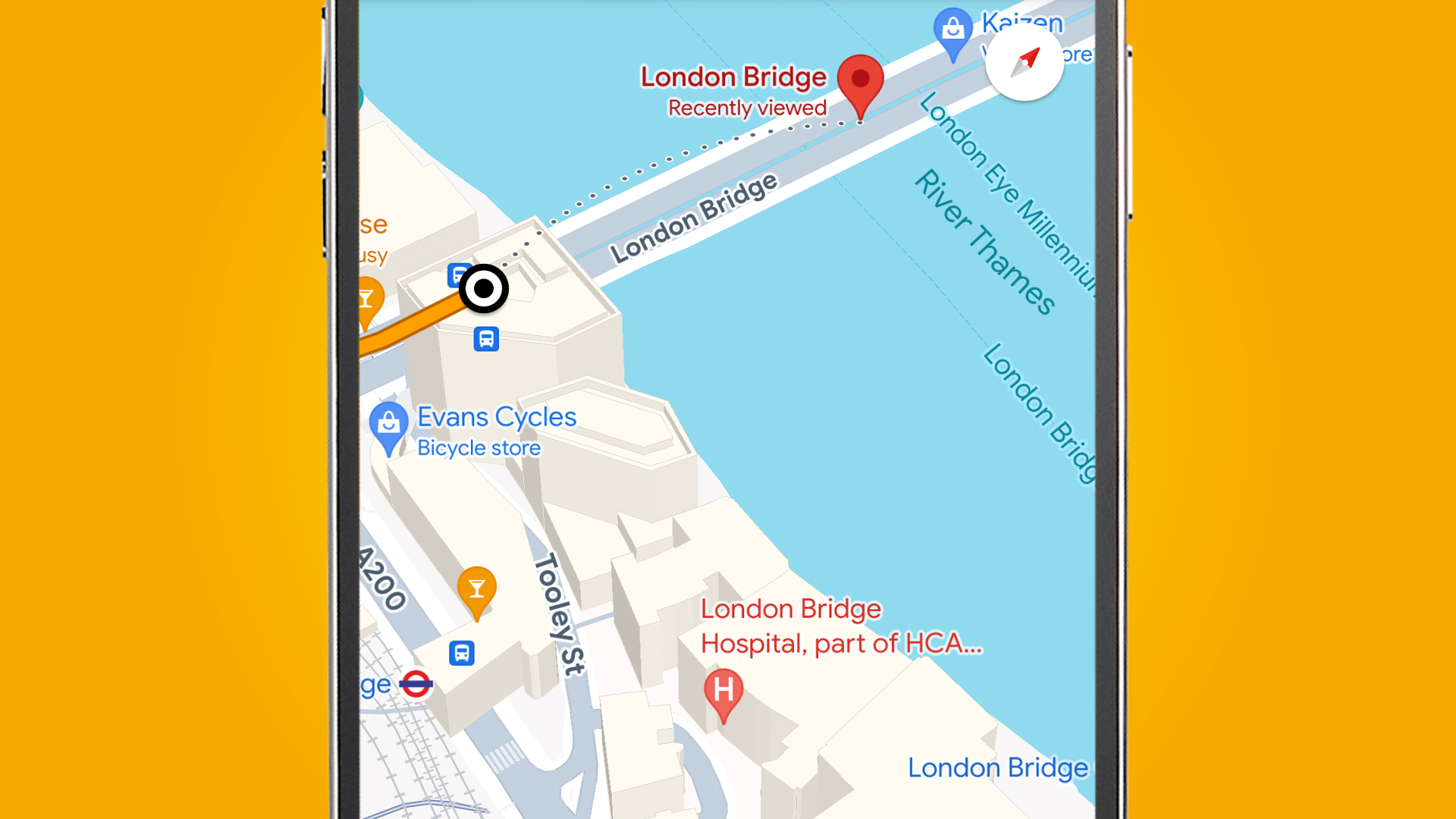
Like using Google Maps as a sat-nav while you're driving? Then you'll be happy to hear about an upgrade that was spotted this week by many users of its Android and iOS app.
If you're in a city or built-up area, it's now possible to see buildings illustrated in 3D while you're driving – a feature that previously wasn't available in navigation mode. To see if it's rolled out for you, tap the Layers icon in the app, then '3D'.
Now, when you type in an address and hit 'directions', you should start to see 3D buildings appear when you're in navigation mode and zoomed into the scene. It's a subtle upgrade, but one that should make it much clearer to see where you are and when you've missed your turn.
Dell's XPS laptops were given a refresh this week ahead of CES 2024 – and the headline arrival was its new 16-inch flagship, which replaces Dell's 15-inch and 17-inch models.
We've already spent some time with the MacBook Pro rival in our hands-on Dell XPS 16 review, which calls it a "high-end laptop that exudes luxury". That's largely down to the laptop's combo of a 4K OLED display, a much-improved webcam, a great keyboard, and an improved ventilation system.
But it's not all good news, with our early verdict noting the XPS 16's unimpressive port selection, inaccessible taskbar, and weighty build. Still, despite these niggles, Dell's laptop could well be a strong contender for our best laptops guide, as it's otherwise shaping up to be a near-perfect sidekick for professionals on-the-go.
This week, LG unveiled its 2024 OLED TV lineup ahead of CES 2024. The series includes its flagship wireless OLED, the LG M4, which uses a Zero Connect Box to eliminate the need for wires and will also feature LG’s new Alpha 11 AI processor that promises improved performance, brightness, and lossless, wireless Dolby Atmos when paired with compatible LG soundbars.
The LG G4 was also revealed and features the same Alpha 11 AI chip as the M4. It promises similar upgrades to the M4 and the now comes with a stand in the box (although region availability is TBC). A third model, the LG C4, will have higher brightness levels thanks to an improved chip, too, and all three models will support 4K 144Hz for gaming as well.
Finally, the entry-level B4 was announced, with a new 48-inch size and four HDMI 2.1 ports. More info is sure to be revealed at CES 2024, so stay tuned for our coverage from the show.
The wait for the wait is over, and we finally know the date for Samsung’s next Galaxy Unpacked event. We expect to see the Galaxy S24, the Galaxy S24 Plus, and the mighty Galaxy S24 Ultra at 10am PT / 1pm ET / 6pm GMT on Wednesday, January 17 – which is 5am AEDT for our Australian readers.
We’re not sure where Unpacked will take place, and Samsung hasn’t confirmed exactly which products we’ll see, but with history as our guide, we know what to expect. It’s no surprise that Samsung is already teasing AI features on the Galaxy S24, and Samsung’s invitation says that “Galaxy AI is coming.”
If you click through to Samsung’s page, you’ll find that AI Zoom is also in the cards, and this could be how Samsung squares recent rumors that its Galaxy S24 Ultra would be shrinking from a 10X zoom lens to only 5X zoom.
One of the best superhero games, Marvel's Guardians of the Galaxy, just went on sale on the Epic Games Store, and for a few more days, players will be able to snag the fantastic title for free.
It's been a brilliant start to the year in terms of game savings; just yesterday, we saw A Plague Tale: Innocence go on sale for free on the Epic Games Store. While this deal is no longer active, it seems like Epic Games is hellbent on still spreading good vibes with Marvel's Guardians of the Galaxy.
Players can currently snag Marvel's Guardians of the Galaxy on the Epic Games Store for free. While you have slightly more time to make full use of this deal than you did for A Plague Tale: Innocence, the discount will cease to continue come January 11, 2024. So, if you're looking to fill your library with another excellent game, this is just the deal for you
This fantastic superhero game sees players take the role of Starlord as they lead the famous group of saviors, including Groot, Rocket Racoon, Gamora, and Drax. You'll have to face up against godly threats as you protect the Galaxy and all who live in it. The new story won mass acclaim as Marvel's Guardians of the Galaxy took home the prize for best narrative at The Game Awards 2021.
If you're a fan of thrilling, action-packed fight scenes, hilarious writing, and some good old-fashioned 80's pop and rock, then Marvel's Guardians of the Galaxy is the next game you should get started on. What do you have to lose? It's free, after all.
Quantum computing promises to solve some of humanity’s most pressing challenges, such as accelerated drug discovery and tackling climate change. Its potential to revolutionize various industries and business operations is undeniable: leveraging the principles of quantum mechanics offers computational power far beyond that of today's most advanced supercomputers.
However, the real-world adoption of quantum computing is still in the early stages. Quantum computers are primarily found in the research labs, and their application in the business world remains limited because of just how inaccessible quantum computing still is. The accessibility barrier arises from the high costs, technical complexity, and a steep learning curve, making it challenging for businesses to embrace quantum computing.
For quantum computing to reach its full potential, this must change. Moving beyond the lab ensures that businesses can get the most out of this technology even while it matures. It also enables them to focus on upskilling their teams and building in-house capabilities, and knowledge transfer. How can we transition quantum computing from labs to commercial environments and what are considerations for businesses looking to adopt this ground-breaking technology?
Why and how quantum computers can benefit businesses?
The essence of quantum computing lies in its ability to process information differently from classical computers. Classical computers–the ones we have today–process data using information units known as bits. Bits can only exist in one state at a time, which we represent as either 0 or 1.
In contrast, quantum computers use qubits, which can exist in multiple states simultaneously. This capability enables much faster and more complex calculations. From a business standpoint, the potential benefits of quantum computing include faster and more efficient problem-solving, advanced data analysis, sophisticated predictive analytics, and stronger encryption to protect sensitive business data. It also offers industry-specific competitive advantages.
For example, quantum computing can enable more accurate and detailed climate models, helping us better understand and address climate change and its impact on our planet.
In the pharmaceutical sector, quantum computing can minimize the time spent on complex research for new drugs, as it can identify and construct molecules within minutes, potentially leading to life-changing results.
In banking and financial services, quantum computing has the potential to dramatically accelerate complex financial calculations, enabling real-time risk assessment and portfolio optimization. It can also vastly improve security, making financial transactions and data encryption much more secure against cyber threats.
Sensitivity of quantum computers: from labs to reality
While it is evident that quantum computing will have a huge impact on the future of businesses, its inaccessibility created a big gap between great expectations and its limited real-world applications so far.
The incredible sensitivity of quantum computers is one of the biggest challenges with quantum adoption. They are susceptible to vibrations, electrical noise, magnetic interference, and demand advanced cooling systems with temperatures down to -273 celsius–colder than outer space. These precise conditions are crucial to maintaining the fragile quantum states of qubits. As a result, today quantum computers predominantly exist within the labs where these conditions are easier to meet.
Transitioning from labs to commercial environments requires an enterprise-centric system design approach. To democratize quantum computing and unlock its full potential, it must be seamlessly integrated into businesses’ existing computing, data management, and IT infrastructure. As organizations globally adopt hybrid and multi-cloud strategies, introducing quantum computers into data centers–the backbone of cloud computing infrastructure–can completely transform their real-world application.
Colocation data centers: key to unlocking quantum computing accessibility
Not just any data center will suffice, though. You need a colocation one–a specific type of data center that leases space to a client company to store their infrastructure. It also offers the option to manage and monitor the services on their behalf.
This setup allows for different computing modalities and services to be collocated, fostering the ability to form secure ecosystems. This is particularly valuable to companies with large geographical footprints while providing a multitude of other benefits, such as the need for fewer technical in-house staff, predictable expenses, lower costs, easy scalability and exceptional reliability.
Colocation data centers, with their established networks, secure connections, and robust, scalable infrastructure are optimum environments to utilize the power of quantum computing, allowing easy, user-friendly access that can enable life-changing discoveries. Scaling quantum computing goes beyond increasing the number of qubits on a chip; it involves meeting the practical demands of businesses. Deploying quantum computers into collocated data centers provides businesses and organizations worldwide with the opportunity to build their capabilities and actively engage with quantum technology.
Of course, transitioning quantum computing from an R&D lab to a commercial environment means overcoming unique challenges, inherent to quantum devices. For example, because of distinct infrastructure requirements of quantum computers, a special power setup, advanced cooling systems and a vibration insulating structure are needed to mitigate the risks of quantum errors.
It’s for data center and quantum companies like mine to make it a reality–and we are on it. Quantum computing, once seen as inaccessible, is transcending the confines of laboratories and entering the realm of commercial data centers.
As talented scientists and engineers across the globe are shattering the barriers preventing the democratization of quantum, businesses that haven’t yet should start considering how to integrate quantum computing into their data strategies, infrastructures, and business plans. Now is a crucial moment to become part of something truly revolutionary and prepare for the quantum future ahead.
This article was produced as part of TechRadarPro's Expert Insights channel where we feature the best and brightest minds in the technology industry today. The views expressed here are those of the author and are not necessarily those of TechRadarPro or Future plc. If you are interested in contributing find out more here:https://www.techradar.com/news/submit-your-story-to-techradar-pro
from TechRadar - All the latest technology news https://ift.tt/BF9j7eY
The action-adventure game A Plague Tale: Innocence is currently on a monster sale right now at the Epic Games Store, with it being complet...
The action-adventure game A Plague Tale: Innocence is currently on a monster sale right now at the Epic Games Store, with it being completely free to download and play.
A Plague Tale: Innocence follows the story of a young girl and her brother who are being hunted by the Inquisition during the Black Death. You must constantly stay one step ahead of the soldier and avoid the effects and shocks of the deadly disease while trying to understand your younger brother's mysterious powers.
If you're looking for a new story game to add to your games library, then this single-player game is a great addition. It's also completely free on the Epic Games Store right now, so that helps. However, the discount will end in just a few hours today (January 4) at 8am PT/ 11am ET/ 4pm GMT.
There is also a sale on the Epic Games Store for a bundle that includes the first title, A Plague Tale: Innocence, and its sequel, A Plague Tale: Requiem. However, the deal isn't quite as good here as it's not free but half-price. While we did find some areas of the sequel lacking, such as the somewhat slow narrative pacing and the restrictively linear exploration, it's still a title that is full of incredible locations and action scenes. The bundle is still a great option if you want to round off the sibling's adventure.
However, if you don't have an Epic Games account, then you can also get a great deal over on Steam, which sees A Plague Tale: Innocence down to just $8.89 or £6.99 right now in the Steam Winter Sale.
If you want something with fewer rats in it, then be sure to check out our lists of thebest RPGsand thebest story gamesthat are available to play right now.
from TechRadar - All the latest technology news https://ift.tt/QykNbIh
The deadline for UK telecommunications companies to remove Huawei equipment from their core networks has now passed, and reports are alread...
The deadline for UK telecommunications companies to remove Huawei equipment from their core networks has now passed, and reports are already claiming that BT has missed its goal.
The UK Huawei ban was revealed in 2020, when Digital Secretary Oliver Dowden drew reference to US sanctions against the Shenzhen company, with companies were instructed to take action later in 2022.
The December 31, 2023 deadline had already been extended by nearly one year, from January 28, 2023, in response to complaints from the likes of BT, which had expressed concerns about feasibility and timescales.
BT still uses some Huawei equipment
A BT spokesperson told TechRadar Pro in an email: "All 4G and 5G data sessions and voice calls are now delivered by non-Huawei core equipment – meaning that over 99% of all core traffic is now being served by non-Huawei kit."
They added that the process, which affects its live mobile network, involves migrating 30 million active customers across multiple platforms, indicative of the sheer amount of work involved.
BT also confirmed that the only voice and data services that are yet to be migrated are using the 2G and 3G networks, representing less than 1% of the total traffic. Ofcom has revealed that the UK’s major mobile network providers plan to shut down their 3G networks between 2024 and 2025.
Missing the deadline raises questions as to whether BT may face fines, but the deprecation of the older networks could suggest that some slack could be cut for BT given that its 4G and 5G networks are now free from Huawei kit.
BT added that it would continue to share information with Ofcom as part of the watchdog's statutory obligation to report to the Government in March, and that it remains on target to fully remove Huawei from the access parts of its mobile network by 2027.
Ofcom shared a statement with TechRadar Pro: "Government is responsible for setting and enforcing the rules requiring certain telecoms companies to remove Huawei equipment from their networks. Ofcom’s role is to gather information on companies’ progress and report this to Government."
Ofcom's next report to the Secretary of State will be on January 31, 2024, and March 31, 2024. Two further reports will be submitted in 2026 and 2028.
Four years ago, The Register added that BT was preparing to spend £500 million to remove Huawei equipment. At the time, O2 was rolling out Huawei-free 5G across many of the UK’s major cities.
Even though it's been a few weeks since Baldur's Gate 3 launched on Xbox Series X|S, some players are still facing an issue where saved data is being deleted once they sign out. The issue is being investigated by Microsoft but has yet to be resolved. Fortunately, Larian Studios has offered a workaround for anyone desperate to get stuck in which utilizes the studios' cross-save system.
As posted to Twitter/X, Larian Studios shared a step-by-step way to access their cross-save system and not lose too much progress in your future playthroughs. To do so, you will need to create a Larian account and visit the options menu under the main menu. From here, you'll need to navigate to the gameplay menu and activate cross-saves before linking your Xbox and Larian accounts. The full step-by-step as posted by Larian Studios can be seen below:
We’re aware that there is a save issue on Xbox that continues to linger throughout the holidays. It occurs when exiting the game after saving. The game thinks the save was successful but due to a firmware issue, the save file is not fully committed to disk yet. Microsoft is…December 31, 2023
See more
Once this is done, your last five saves will automatically be uploaded to the Larian servers. So, if you do face the deleted save data bug, you'll be able to reload one of your previous saves and not lose your entire progress.
With that said, Larian has expressed that all players should wait for the notification stating that "Syncing cloud save" is no longer visible to ensure all saves have been uploaded - otherwise, you might find yourself back to square one.
Should the firmware issue occur, you'll need to re-activate cross-save functionality in the options screen of your game, which will give you access to any previous saves you have uploaded to the servers.
Larian has also announced that it plans to increase the amount of save data files each player can have via this system should this temporary workaround to last a little longer than anticipated. For updates on the situation, it's best to keep an eye on the official Larian Studios Twitter page.
We've got a list of all thebest RPGsif you're looking for an alternative game to get stuck in while waiting for this issue to be fixed. Our guide to thebest single-player gamesis worth checking out for solo adventurers.
from TechRadar - All the latest technology news https://ift.tt/2XBroOU
Start the new year with a new stunning display, thanks to this incredible deal on LG's C2 OLED TV. Amazon has the 65-inch model on sale...
Start the new year with a new stunning display, thanks to this incredible deal on LG's C2 OLED TV. Amazon has the 65-inch model on sale for $1,399 (was $1,899) - that's the lowest price you can find and an incredible deal for a high-end OLED TV.
The feature-packed display, which we gave five out of five stars in our LG C2 OLED review and ranked at the top of last year's best TV list, features a stunning OLED display powered by LG's a9 Gen5 AI processor that delivers deep contrast and excellent brightness. You also get virtual surround sound, smart capabilities, voice control, and an extremely thin design - resulting in an ultimate home cinema setup.
Today's deal at Amazon is the best price you can find and only $100 more than the record-low we briefly saw at Walmart last month. While it's an older model (released in 2022), it's still a gorgeous, feature-packed TV at an incredible price.
LG C2 65-Inch 4K Smart TV (2022):was $1,899.99 now $1,399 at Amazon The LG C2 OLED was rated as last year's best TV, and Walmart has the 65-inch model on sale for an unbelievable price of $1,299 - a new record-low. The gorgeous display is praised for its intense brightness and vivid colors in our LG C2 OLED review. The 65-inch TV also packs an a9 Gen5 AI Processor, Dolby Atmos, and voice control - all for under $1,300, which is incredible value for this highly-rated OLED TV.
LG C3 65-inch OLED TV (2023):was $2,499.99now $1,596.99 at Amazon
You can get the all-new 65-inch LG C3 OLED TV on sale for $1,596.99 at Amazon. The stunning OLED TV features a brilliant picture with bright colors and powerful contrast, thanks to LG's latest Alpha9 Gen6 chip. Plus, you're getting four HDMI 2.1 ports for next-gen consoles, a sleek, thin design, and an updated webOS experience - all for under $2,000, which is a fantastic value for a 2023 OLED display.View Deal
Samsung 75-inch The Frame QLED 4K Smart TV (2022):was $2,999 now $1,949 at Walmart Samsung's stunning The Frame TV is always a holiday favorite, and Walmart has the 2022 75-inch model on sale for $1,949. That's a whopping $1,050 discount and the best deal you can find right now. The best-selling Samsung The Frame TV transforms into a beautiful piece of art to seamlessly blend into your home's decor and includes customizable bezels, a QLED screen, and smart capabilities.View Deal
Samsung S90C 65-inch 4K OLED TV:was $2,099 now $1,799 at Best Buy The S90C OLED is the slightly more budget-friendly cousin to the S95C, and now it's $300 off at Best Buy. Don't be mistaken in thinking this is the inferior set, however, as it's our top pick for this year's best TV in the TechRadar Choice Awards. Our Samsung S90C review awarded it five stars out of five, praising its gorgeous picture and gaming features. It's not as bright as the 95C, and its sound is also a little weaker, but it's a fantastic choice in its own right that will satisfy all your TV needs, be that shows, movies, or gaming.View Deal
Amazon Fire TV Omni Series 65-inch 4K TV (2021):was $759.99 now $639.99 at Amazon
If you're looking for a big-screen budget display, you can get this 65-inch Amazon Fire TV on sale for $639.99. Amazon's highly-rated Omni Series TVs feature 4K resolution support, Dolby Vision, HDR 10, and hands-free TV with Alexa. So, instead of using your remote, you can control the volume and launch channels completely hands-free.View Deal
LG A2 48-inch OLED TV:was $1,299.99 now $599.99 at Best Buy Best Buy has the 48-inch LG A2 OLED TV on sale for a fantastic price of $599.99. Named as one of our best OLED TVs and rated four out of five stars in our LG A2 review, it packs an Alpha α7 Gen5 processor that delivers sharp images and great upscaling from HDR, and Dolby Vision HDR support makes the most of movies and TV. LG's smart software is also excellent, and the included Magic remote allows you to navigate your TV seamlessly.View Deal
Wherever you stand on the influence AI has had, and is having, on photography – Leica took an anti-AI step by introducing content credentials in the Leica M11-P, and Sony is set to follow in 2024 – it’s here to stay, and it's transforming how our cameras work. Life behind a camera will become ever easier, with new models featuring improved autofocus algorithms, better noise reduction, and smarter lens corrections.
On the hardware side, 2023 blessed us with cracking five-star cameras like the Nikon Z8, Fujifilm GFX100 II and Panasonic S5 II, although there was arguably nothing groundbreaking, besides Sony sneaking in at the end of the year with the Sony A9 III – the first camera of its kind to use a global shutter.
DJI had a spectacular 2023, too, launching the best consumer drones ever. We recognized the improvement in DJI's camera hardware by awarding the triple-camera DJI Mavic 3 Pro the top prize as Best Camera Device at our 2023 Choice Awards – the first time a drone has received this award.
We think next year could be even better, with some fantastic new cameras on the cards, such as the long-rumored Fujifilm X100V successor. It’s also not completely unrealistic that DJI could enter the mirrorless camera space, trickling its Ronin 4D tech into an all-new handheld interchangeable lens camera. Expect some new pro sports camera tech like the Canon EOS R1, too, what with the Paris Olympics beginning in July. And with smartphones still the most popular cameras, we're keeping a keen eye out for Apple and Samsung's latest offerings.
Here, in reverse order, are the 12 most exciting cameras we're expecting to see in 2024.
The 12 most exciting cameras of 2024
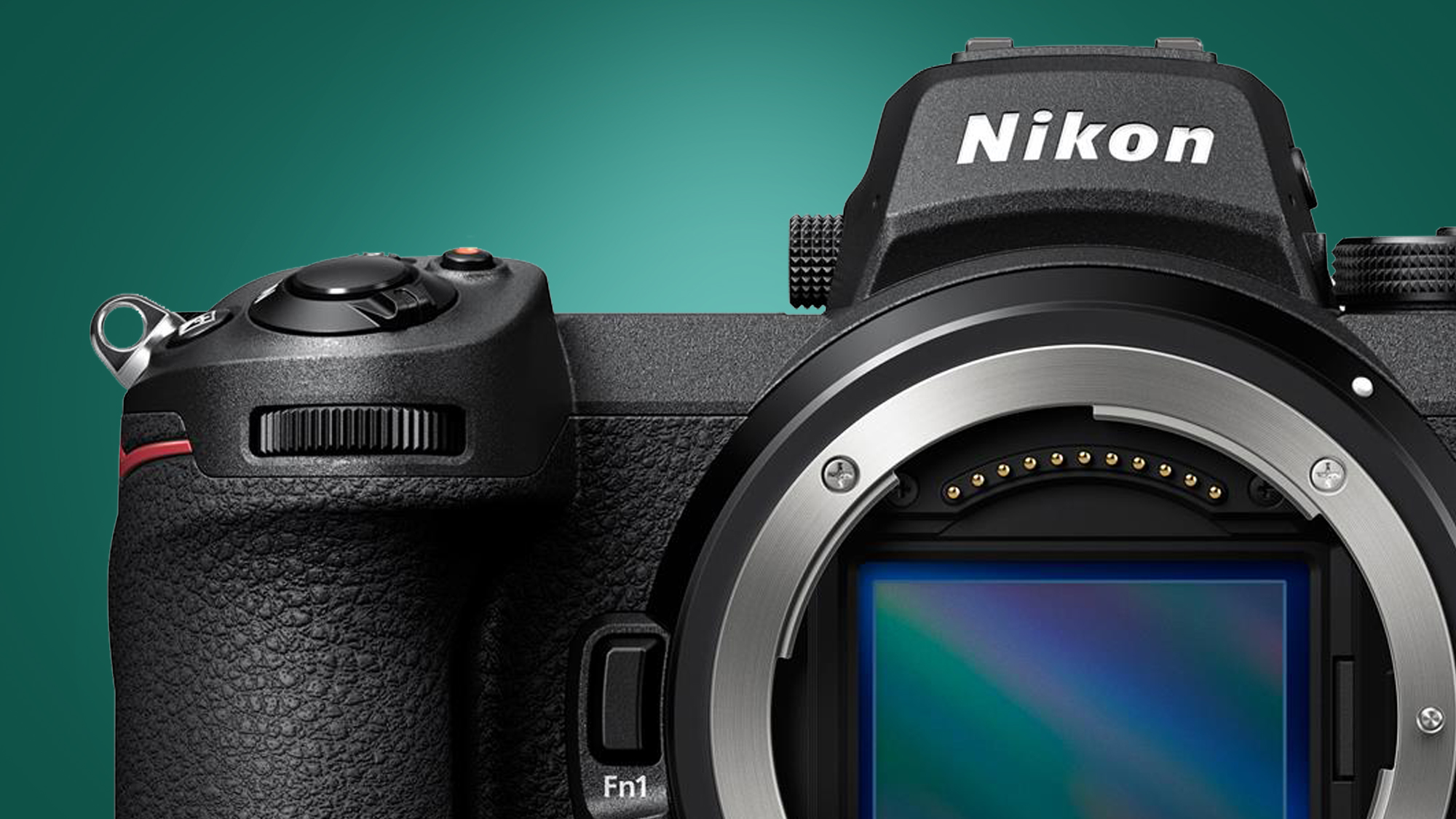
12. Nikon Z6 III
The Nikon Z6 II(Image credit: Nikon)
Likelihood rating: 4/5
Excitement rating: 3/5
There have been recent murmurings of a Nikon Z6 II successor, most likely called the Z6 III. We haven't seen credible rumors just yet that paint a detailed picture of what to expect, but it's been three years since the second-gen model, which is one of the best mirrorless cameras for the money, so it's about due a replacement.
Prolific Nikon gear YouTuber Matt Irwin speculated that the Z6 III will have a new 24MP full-frame sensor with improved high-ISO performance, quicker readout, and improved autofocus performance – potentially trickled down from the Nikon Z8. Video quality will be improved, too, with 6K resolution compared to the Z6 II's 4K output; it could also be 'open gate' video, meaning the Z6 III will take information from the full width and the full height of the 3:2 aspect sensor, much like the Panasonic S5 II. That would be a first for Nikon.
There could also be a vari-angle touchscreen instead of the tilt-type, while the ergonomics will likely remain the same. If all the rumored changes materialize, then the Z6 III could be a decent upgrade from the Z6 II. As for how much it might cost, it will need reasonable separation from the Z8, but it'll probably start higher than the Z6 II, at somewhere around $2,500 / £2,500 / AU$4,200.
11. DJI Mini 4
Likelihood rating: 3/5
Excitement rating: 3/5
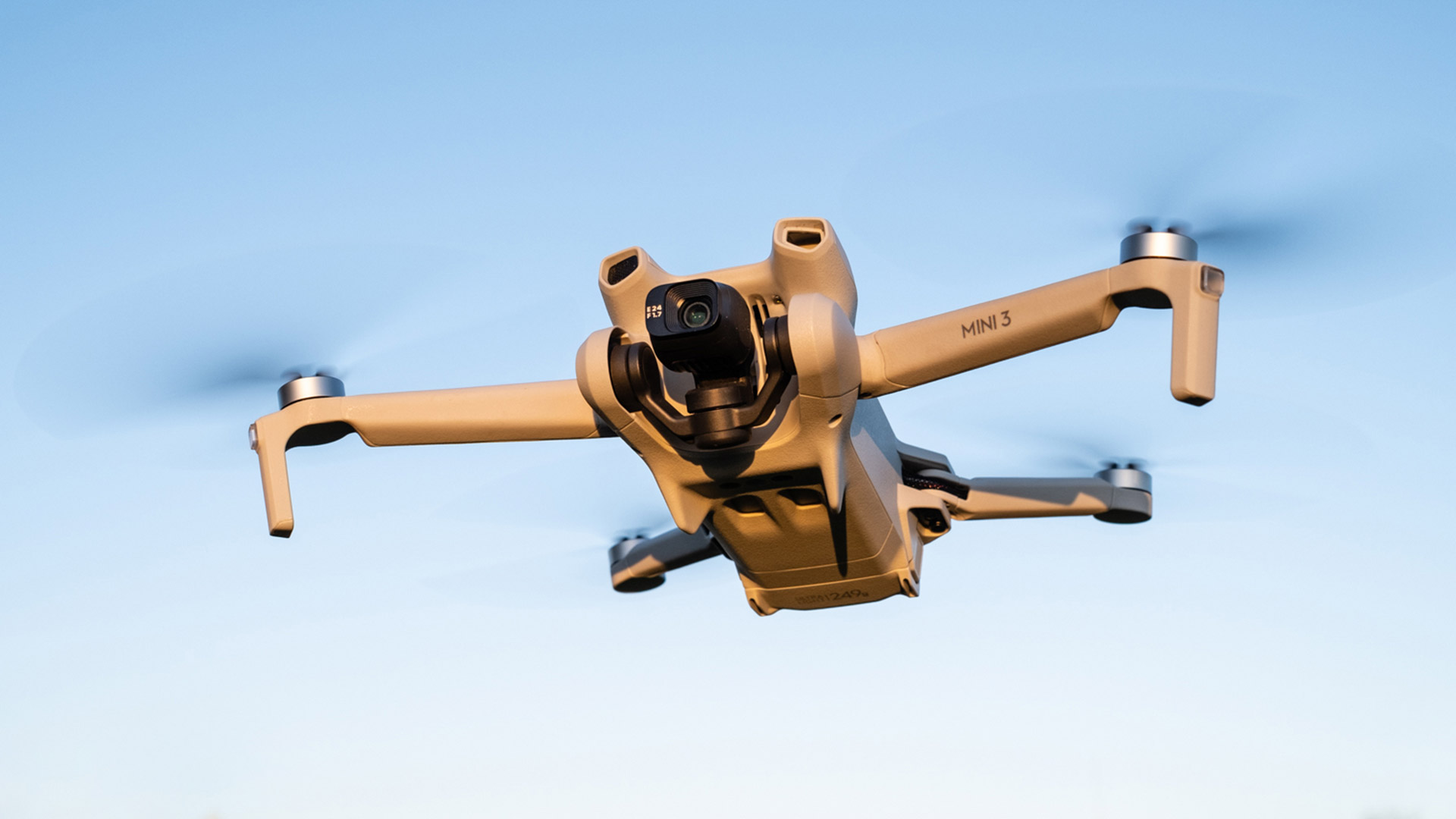
The DJI Mini 3 in flight(Image credit: Future)
DJI was particularly active in 2023, launching the best drones ever for consumers and updating most of its product lines, including the new Mini 4 Pro, Air 3, Mavic 3 Pro and Inspire 3. Yet there was one popular series of its drones that didn’t get a next-gen model in 2023 – the Mini series.
We rate the Mini 3 as the best beginner drone for most people, and although it’s less than two years old, it’ll get a successor in 2024 if DJI’s past record is anything to go by. There are few rumors at this stage, but we’d expect to see the first rumblings next year.
The most obvious areas for improvement include the addition of collision avoidance – lacking in the Mini 3, while the Mini 4 Pro boasts omni-directional obstacle avoidance – and subject-tracking modes, again lacking in the Mini 3. There's a limit to how much DJI can improve on the sub-250g Mini 3 without encroaching on the Mini 4 Pro's market share, so a future Mini model with likely be a minor update. Pricing will probably start from around $500 / £450 / AU$750 for the drone only.
10. Samsung Galaxy S24 Ultra
Likelihood rating: 5/5
Excitement rating: 3/5
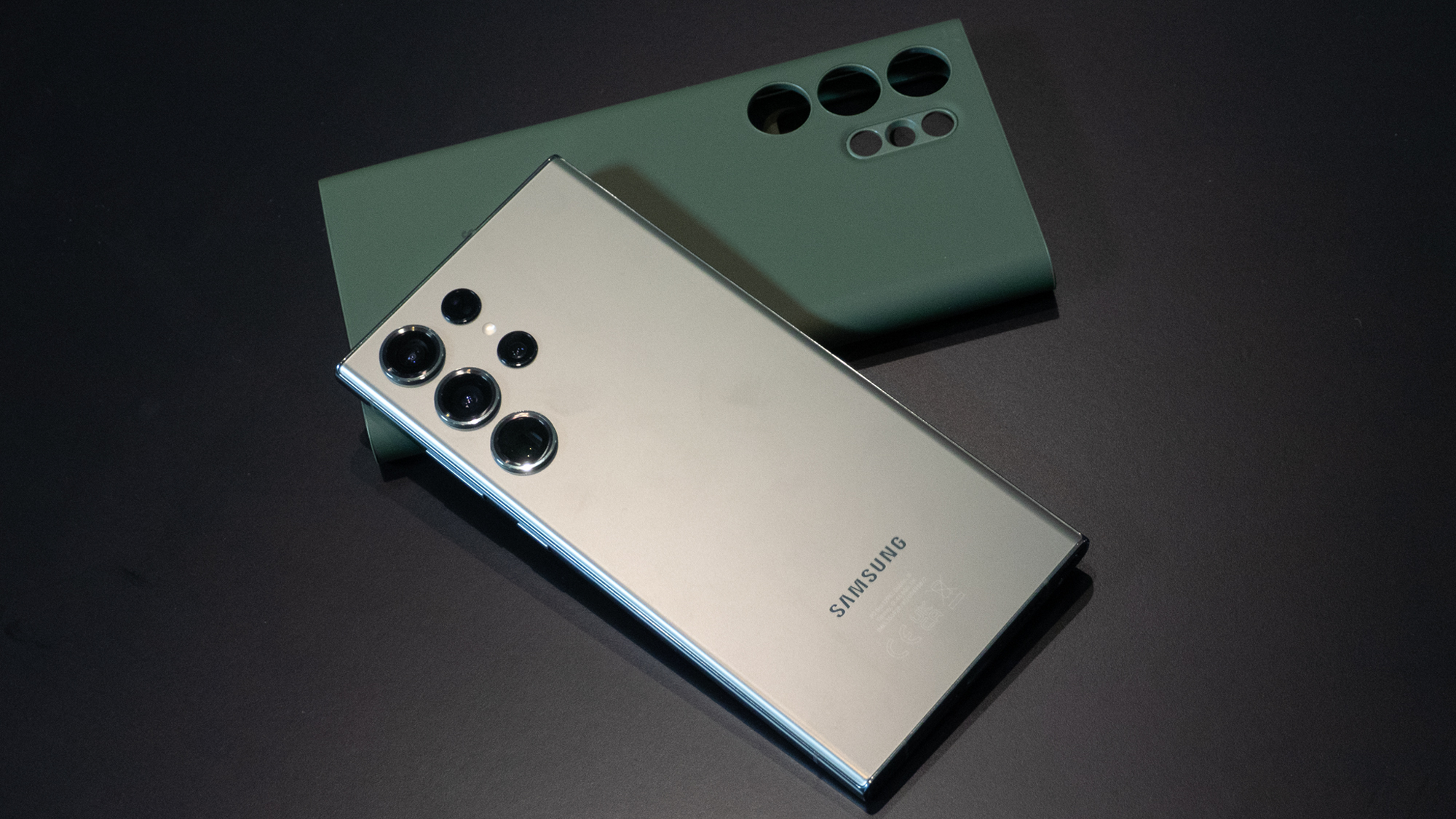
The Samsung Galaxy S23 Ultra(Image credit: Future | Alex Walker-Todd)
We know that the Galaxy S24 Ultra is coming in January or possibly February, and it has a tough act to follow, with the Galaxy S23 Ultra already rated as the best camera phone available. We’ve made some predictions as to what cameras the S24 Ultras will likely have, and the rumors suggest a minor update, hence our moderate excitement levels.
Most of the S23 Ultra’s cameras will likely remain: a 200MP main camera, 12MP ultra-wide lens, a 10MP 3x optical zoom, plus a 12MP selfie camera. It’s the telephoto periscope camera that’s rumored to change, from a 10MP 10x optical zoom to a 50MP 5x optical zoom. The latter sounds like a more sensible option – those extra pixels will provide greater cropping potential to effectively gain the telephoto skills of the longer zoom.
Just because the cameras are largely the same, that doesn’t mean the S24 Ultra will stick with the same sensors; perhaps a bigger sensor for improved low-light performance is on the cards. More likely, the S24 Ultra will showcase some of the latest AI camera tricks. Whether or not these will rival the Google Pixel 8 Pro's – for good and for bad – we’ll soon find out. We’re hoping to be proved wrong, but the best camera phone’s successor will likely make small steps. It won't be cheap either, with prices likely starting at $1,199.99 / £1,249 / AU$1,949 for a 256GB of storage and 8GB of RAM version.
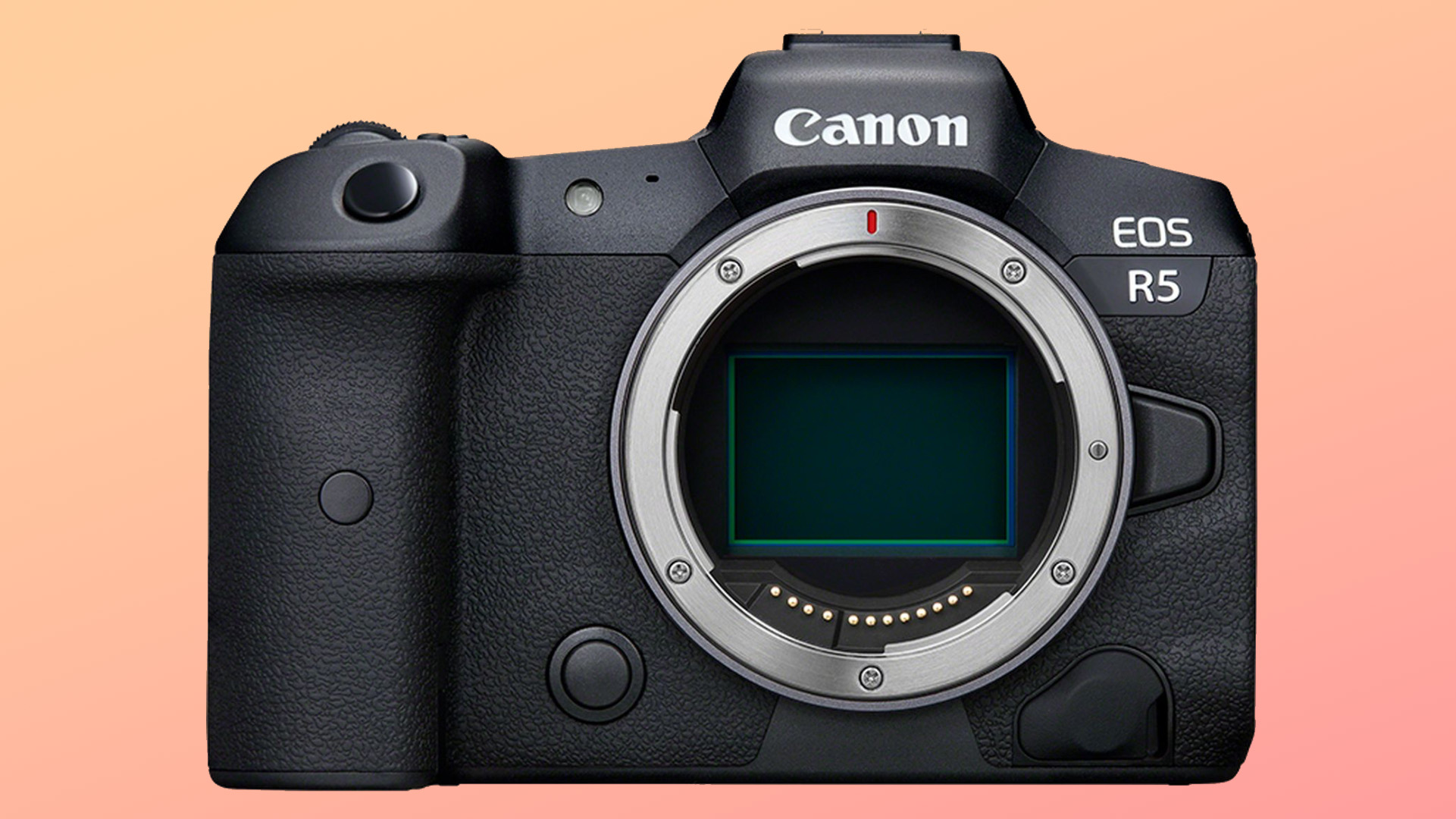
9. Canon EOS R5 II
Likelihood rating: 4/5
Excitement rating: 4/5
A Canon EOS R5 II mockup(Image credit: Canon Rumors)
Contrary to rumors, an EOS R5 II did not materialize in 2023, but it’s now tipped for a 2024 launch, close to the EOS R1 (see below). That would be a formidable pair of cameras that in one fell swoop could make 2024 a more exciting year for Canon fans than all of 2023, especially pros.
We’ve shared what we’d like to see in the EOS R5 II, and that includes Canon’s highest-resolution 61MP full-frame sensor, with burst shooting at around 30fps. Our sister site Digital Camera World also shared how the photography-first hybrid could also offer better video frame rates, with 8K up to 60fps and 4K up to 240fps – the latter would be particularly incredible.
We already rate the EOS R5 as Canon’s best ever camera for photography, and its successor looks set to be a formidable professional camera, and a 2024 award contender. However, with compelling rivals like the Nikon Z8 already in the field, Canon is going to need to be uncharacteristically aggressive when it comes to the EOS R5 II's pricing – the first-gen model originally cost $3,899 / £4,299 / AU$6,899 and was already undercut by the Z8 and Sony A7R V.
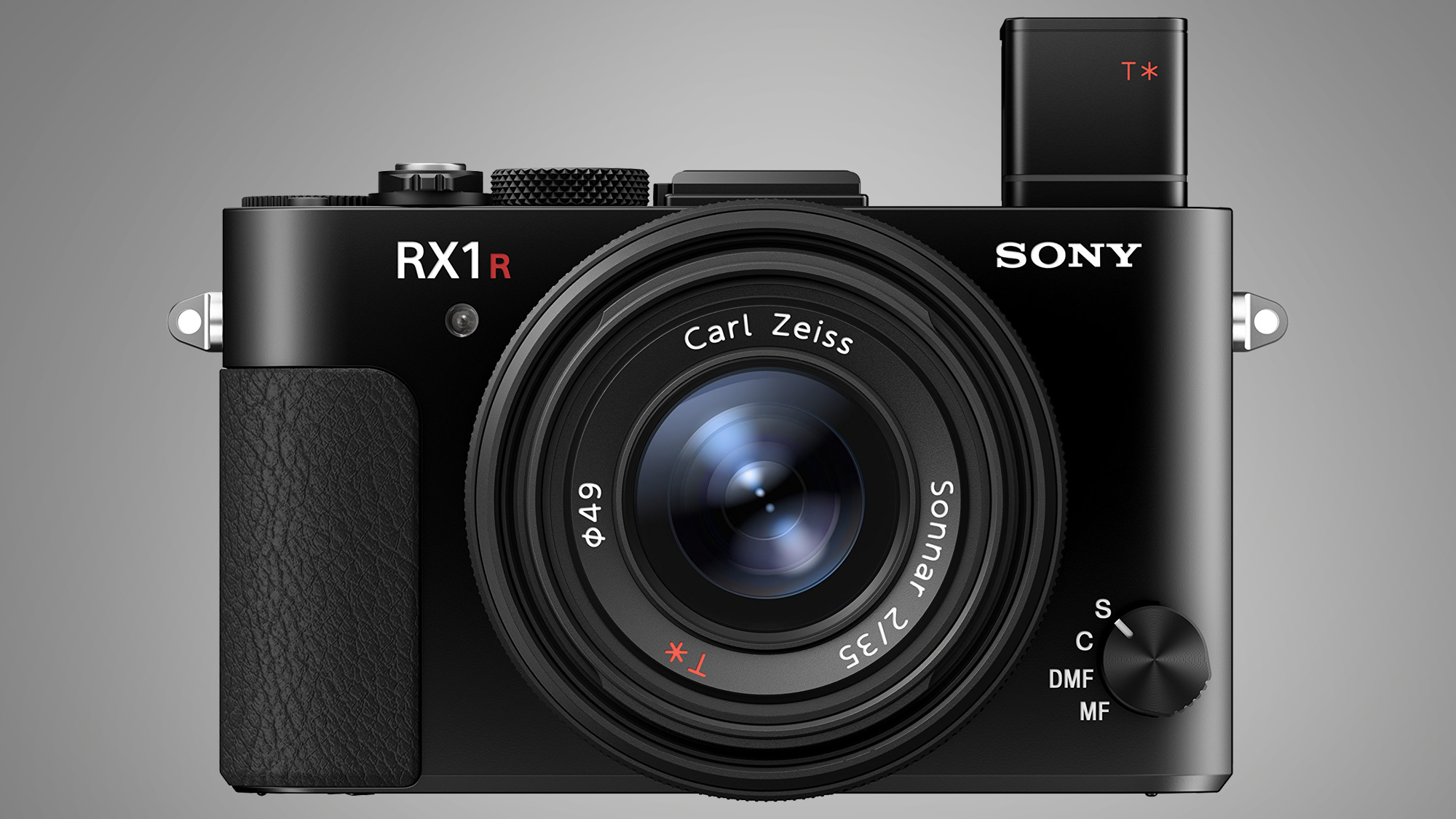
8. Sony RX1R III
Likelihood rating: 2/5
Excitement rating: 4/5
The Sony RX1R II(Image credit: Sony)
We didn’t expect to see a Sony RX1 II successor after 2016’s full-frame compact camera with fixed 35mm f/2 lens was discontinued in 2023, but then rumors via New Camera appeared, and rekindled hope for pro reportage photographers in particular.
Rumored specifications of the would-be third installment in Sony’s niche RX1 series of camera are thin on the ground, but could include a 35mm lens with wider f/1.4 aperture, and Sony’s 61MP full-frame sensor, as used in the Sony A7C R. That would be a huge leap from the RX1R II's 24MP resolution, and would make the RX1R III a superb premium compact camera and Leica Q3 alternative, for less money. It still won't be cheap – we'd estimate around $4,000 / £4,000 / AU$6,500.
Sony could also equip its street shooter with its latest autofocus system, which includes improved AI-powered subject detection, although as a photography-first camera it’ll unlikely feature Sony’s best video spec. If Sony is able to keep the size down, especially with a new lens, that would be a super-impressive feat – and we’d be taking notice.
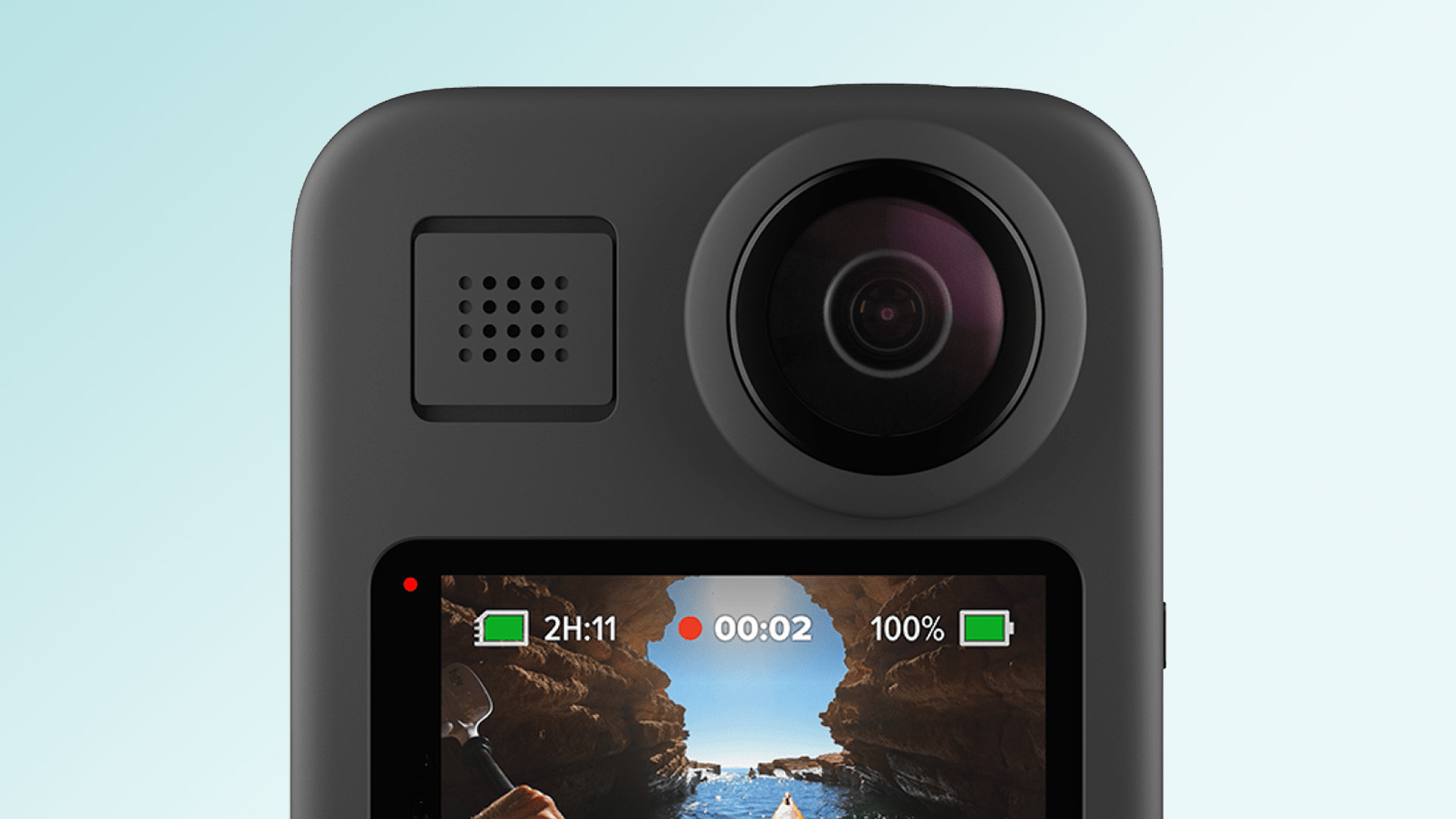
7. GoPro Max 2
Likelihood rating: 4/5
Excitement rating: 4/5
The GoPro Max(Image credit: GoPro)
The 360-degree GoPro Max 2 was on our 2023 version of this list, too, and although it didn't materialize, fuel was poured on the rumor fire during the Hero 12 Black launch event back in September when GoPro CEO Nick Woodman revealed that a successor to the Max is "in the works and it will be worth the wait". We're certainly more excited about the GoPro Max 2, since the Hero 12 Black was a bit of a damp squib – the Max 2 could bring real improvements, and challenge the Insta360 X3 to become one of the best 360 cameras around.
There's little to go on regarding new specs. The Max 2 should get better sensors than the original five-year-old Max – maybe two of the 1/1.7-inch type as found in the Hero 12 Black – plus 5K/60p video and, almost certainly, GoPro's latest GP2 processor (or maybe even a GP3).
But the hardware is really the easy bit – when it comes to 360 cameras, it's the software that really makes the experience, because being able to 'point' your camera in any direction after you've shot the video (the main benefit of 360 cameras) can also quickly become an overwhelming experience. If GoPro manages to nail that part of the equation this time, the Max 2 could finally be the action cam and Insta360 alternative we've been waiting several years for, though it won't be cheap if it's roughly the same launch price as the Max, which was around US$500 / £480 / AU$800.
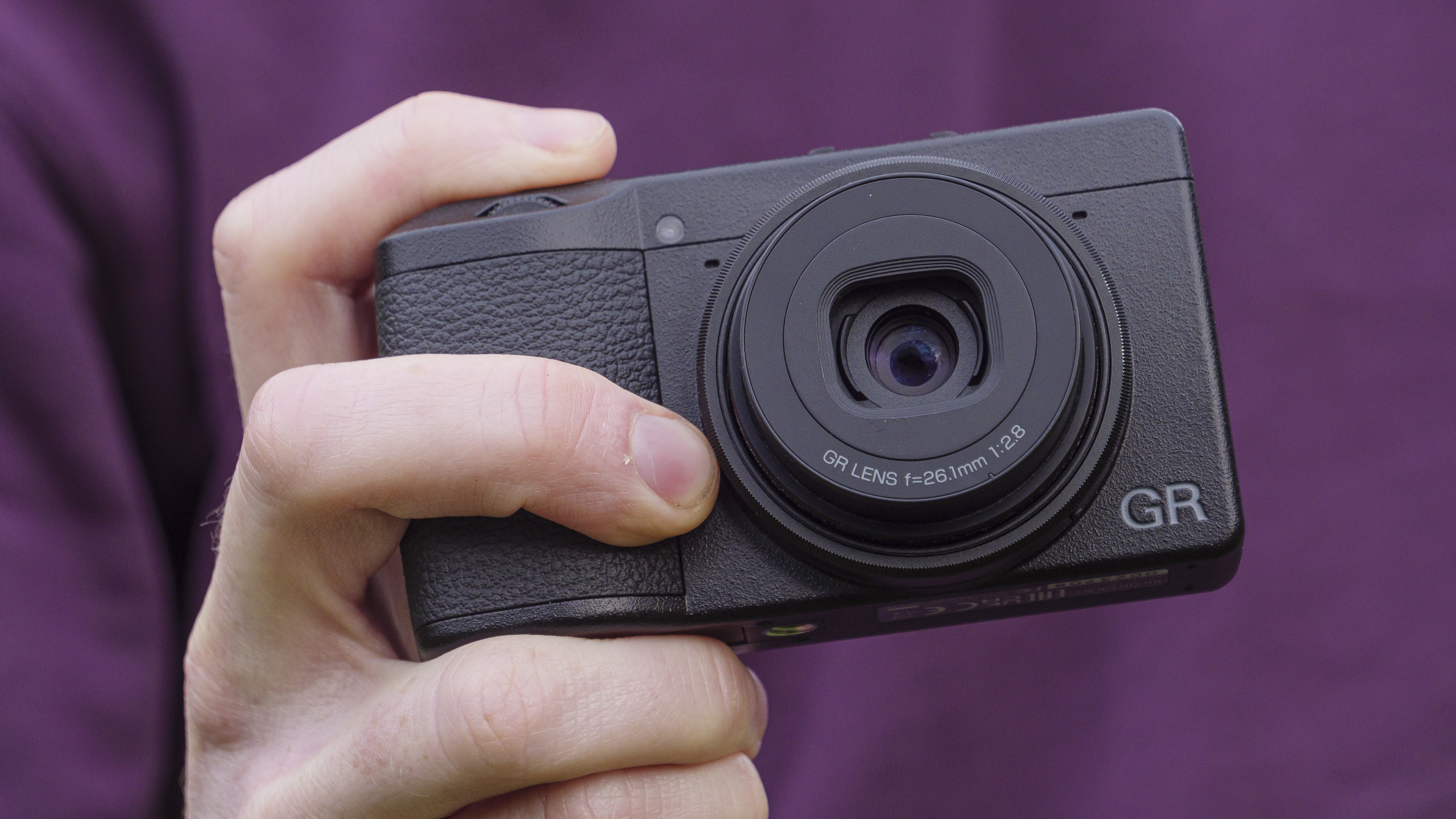
6. Ricoh GR IV
Likelihood rating: 4/5
Excitement rating: 4/5
The Ricoh GR IIIx(Image credit: Future)
If you want a discreet everyday camera that slips easily into a pocket, you can’t really go wrong with the Ricoh GR III series. And fans of the street photography snapper were given a big boost when Ricoh GR designer Inaba San dropped a hint during an interview – shared on Ricoh's YouTube in December – that a fourth installment is in the pipeline.
We wouldn’t expect a lot of changes in the latest model, and it’ll likely feature the same 24MP APS-C sensor and sharp 28mm f/2.8 lens as the GR III. However, if a potential GR IV were to pack a built-in flash, better build quality, improved autofocus and a tilt-touchscreen, it’ll be an excellent X100V alternative that’s smaller and truly pocketable, and with an estimated 50% lower asking price at around $1,100 / £1,000 / AU$1,800. There will be big appeal in this niche camera.
5. Canon EOS R1
Likelihood rating: 4/5
Excitement rating: 4/5
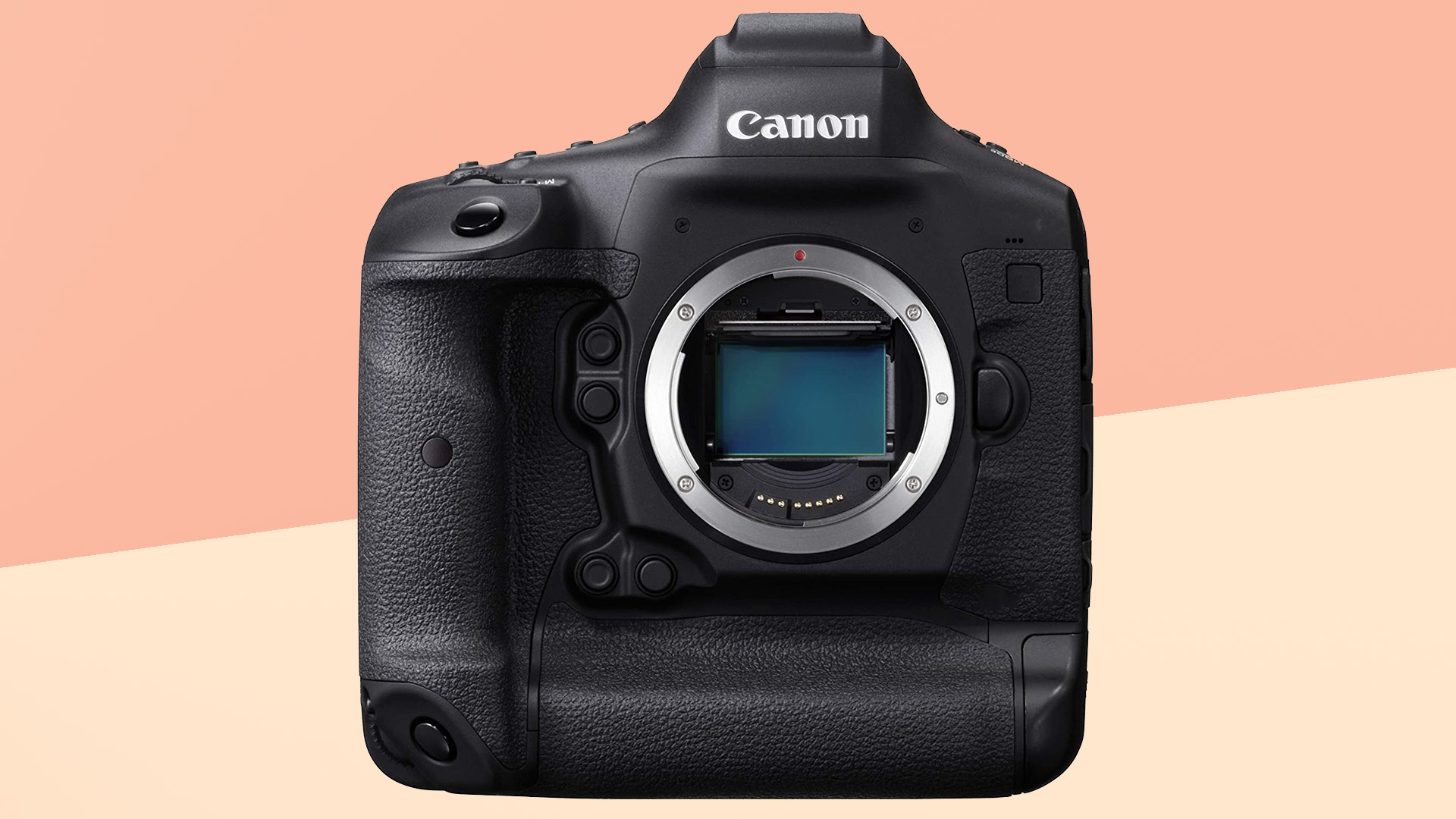
A mockup of the Canon EOS R1(Image credit: Canon)
This must be the most drawn-out camera rumor of all time – it’s been some three years since talk of the Canon EOS R1 first started doing the rounds. Yet just as we were beginning to lose hope of ever seeing the mirrorless flagship surface, a fresh round of rumors hinted that the R1 will indeed hit shelves – and we might not have to wait too much longer for it, what with the 2024 Paris Olympic Games around the corner.
If it’s going to compete with the new Sony A9 III, the EOS R1 will need Canon’s most powerful camera tech ever, though it’s still unclear if the rumored pro sports camera will be the first Canon model of its kind to use a global shutter. Expect quickest-ever burst shooting, middling resolution around 30MP, next-gen processors, the toughest build quality yet; oh, and the much hyped ‘quad-pixel’ autofocus sensor, which looks set to deliver Canon’s best-ever autofocus performance. All yours for an expected $7,000 / £6,500 / AU$10,500, body-only.
4. Pentax compact film camera
Likelihood rating: 2/5
Excitement rating: 4/5
The classic Pentax K1000 film camera(Image credit: Zigmar Stein / Shutterstock)
Ricoh announced its Film Camera Project in 2022, and later in 2023 it confirmed that the first model in what could be a series of analog cameras will be a Pentax compact film camera.
Film has enjoyed an extended time in the sun recently, and Pentax is a perfect candidate for bringing new cameras to market, given its rich film camera heritage with legendary cameras like the K1000. It makes sense for Pentax to focus on film instead of the dormant DSLR camera market that it's persisted in – and it’s feasible that Pentax could lead a film resurgence.
What could we expect of a new Pentax film camera? We’ve already been told it’ll be an old school SLR-style compact, with a hand-wound lever-action mechanism featuring a ratchet wheel with audible feedback, and little more. We’re excited nonetheless, and the upcoming analog beauty will be a wonderful addition to our digital-first world. As for how much it'll cost, there's no word yet.
3. iPhone 16 Pro Max
Likelihood rating: 5/5
Excitement rating: 4/5
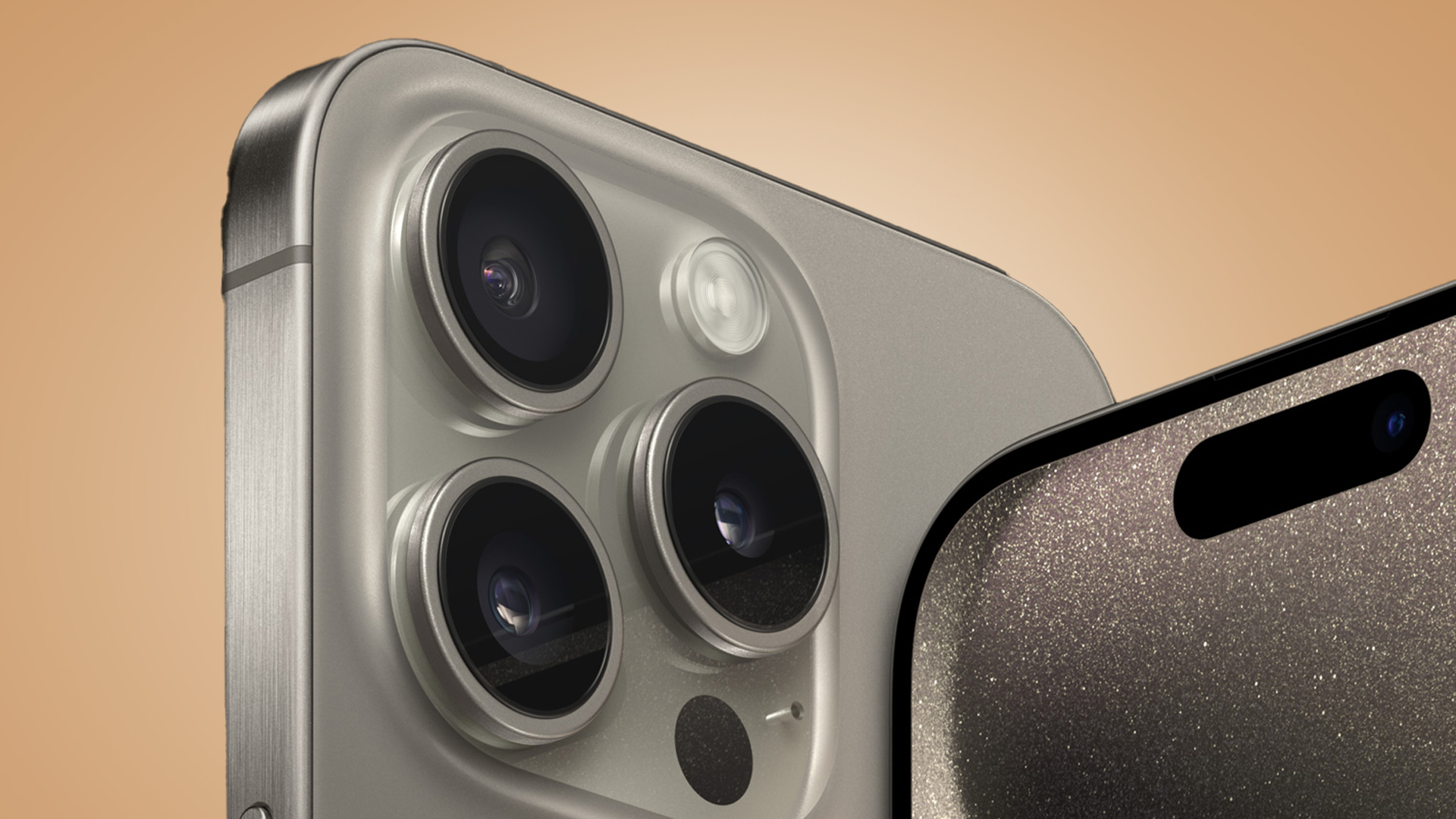
The iPhone 15 Pro Max cameras(Image credit: Apple)
If the rumors are anything to go by, the iPhone 16 Pro Max will receive more significant camera improvements than the upcoming Samsung Galaxy S24 Ultra. In fact, the tables might even be turned, with the S24 Ultra making do with a modest 5x optical zoom periscope camera in place of the S23 Ultra’s 10x zoom, while the iPhone 16 Pro Max could gain a ‘super-telephoto’ camera with a reach up to 300mm.
Apple isn’t stopping with that new 300mm camera, it seems. The ultra-wide lens could be a 48MP camera – that’s 4x the resolution of its the 15 Pro Max, and indeed its Galaxy rival, while the main camera sensor could be a ‘stacked’ sensor type as used in the Sony Xperia 1 V, which would improve low-light image quality.
The latest flagship will probably cost around $1,199 / £1,399 / AU$2,099, so it's not for everyone, but it could be Apple's best camera phone yet. We'll likely find out whether or not the rumored improvements are enough to elevate the iPhone 16 Pro Max to number one spot in our best camera phones guid come September, which is historically the month of the year in which the latest round of iPhones are launched. Bring. It. On.
2. A new DJI mirrorless camera
Likelihood rating: 2/5
Excitement rating: 5/5
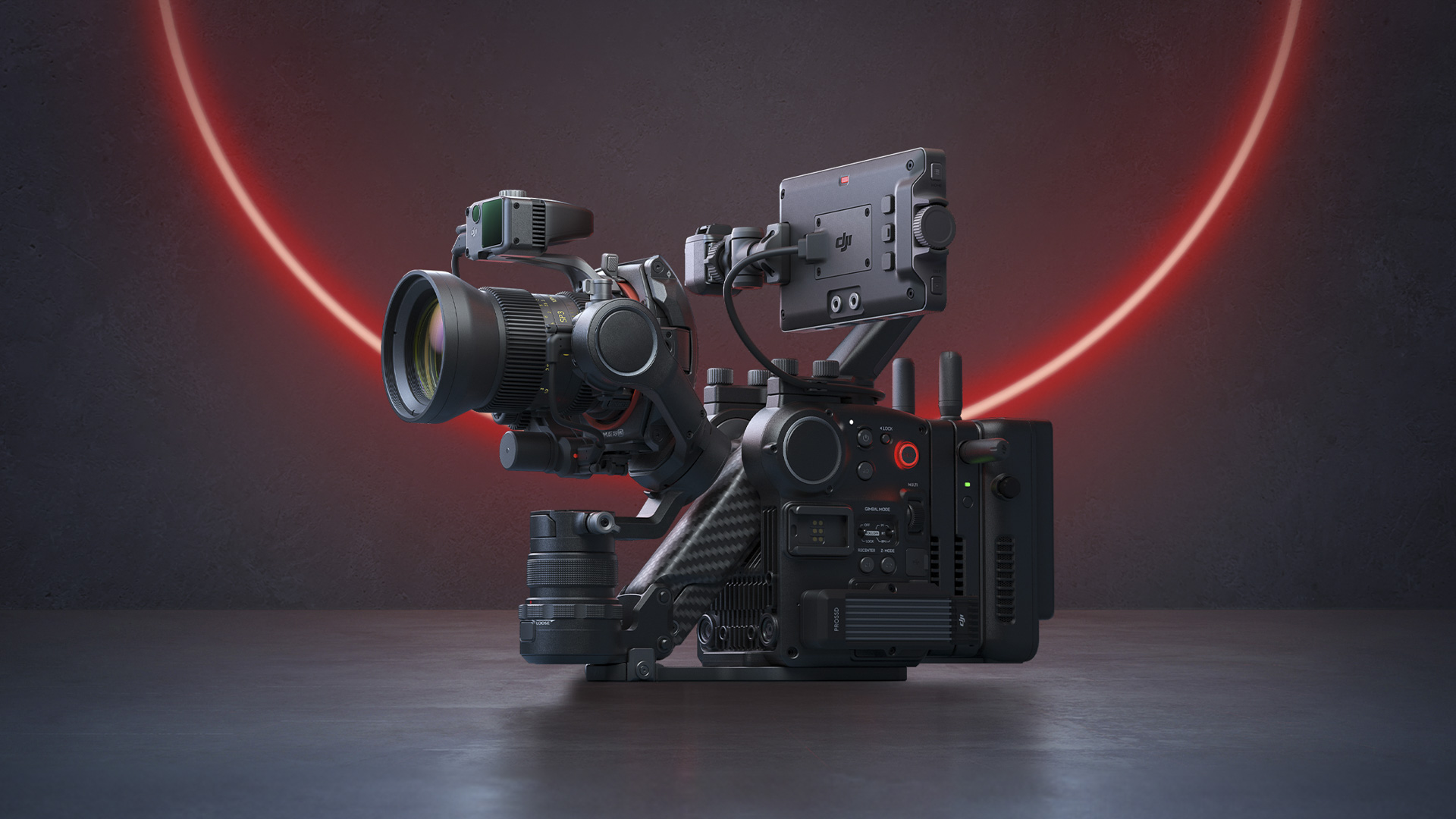
The DJI Ronin 4D-8K camera(Image credit: DJI)
DJI had a spectacular 2023, launching the best-ever drones for consumers, notably the triple-camera DJI Mavic 3 Pro, our new favorite vlogging camera, the Osmo Pocket 3, and a superb GoPro alternative, the Osmo Action 4. DJI is a long-time player in the drone and action cam spaces, but think it could do something even more exciting in 2024: disrupt the mirrorless camera market.
DJI already has the core components to create a unique offering, as seen in the DJI Ronin 4D-8K camera, would is poised to become one of our best video cameras, and could trickle that Ronin 4D cinema camera rig tech (see the image above) into an all-new handheld full-frame sensor mirrorless camera that shoots 8K video, and boasts best-in-class image stabilization, generous internal storage, and an interchangeable lens mount. The likes of Sony and Canon would be hit hard by such a shockwave – we hope this bold prediction is born out, and that DJI shakes up the mirrorless market.
1. Fujifilm X100R
Likelihood rating: 4/5
Excitement rating: 5/5
The sold-out Fujifilm X100V(Image credit: Future)
Given that 2020’s X100V is still out of stock at most retailers after it became a TikTok trend, your best chance of getting the latest and greatest Fujifilm tech in the coveted X100 series may be to bag what could become the best compact camera around, the rumored X100R.
What could the X100R bring to the table? We’ve compiled the most reliable X100R rumors, but highlights include the same 40MP APS-C sensor as in the X-T5 and X-H2, the latest X-processor 5, improved battery life, plus in-body image stabilization; we’d be surprised if there’s any change to the trusty 23mm f/2 fixed lens.
According to the rumors, we shouldn’t have to wait long to find out – the potential release date is the first quarter of 2024, while the list price could be around $1,599 / £1,499 / AU$2,649. Four years since the X100V, we're hoping the latest version is worth the wait – and, selfishly, that it doesn't trend, so we can get our hands on one!
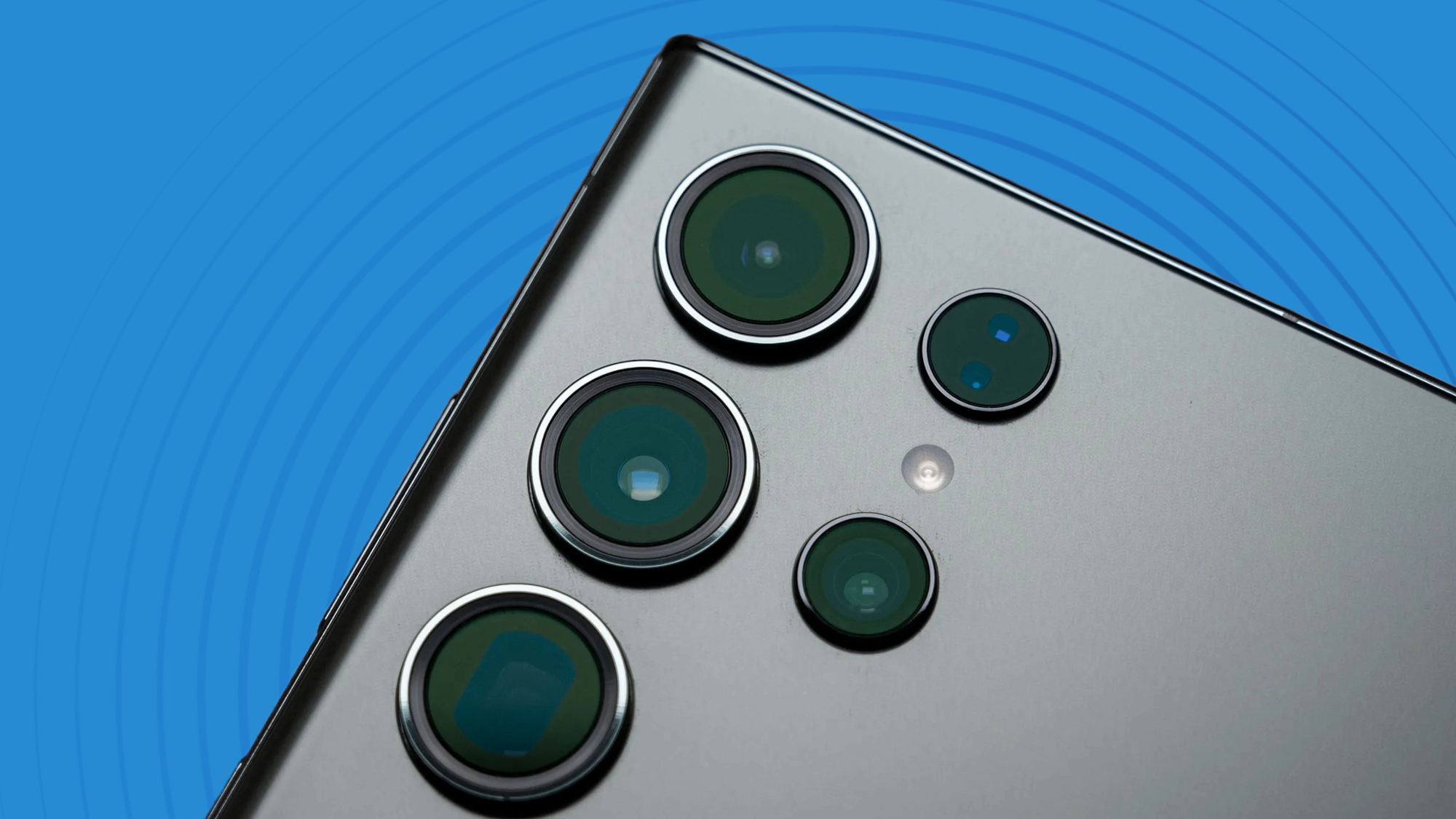
Based on the rumors that we've come across so far, it looks as though the Samsung Galaxy S24 Ultra is going to bring with it the most significant upgrades when Samsung launches its next batch of flagship phones – and that apparently covers video recordings too.
Well-known leaker Ice Universe (via Notebookcheck) has hinted that the Ultra model will be able to record footage at a 4K resolution and up to 120 frames per second (fps). That's impressive – but the tipster does note that this feature is still in "testing" and may not ultimately be included.
As our OnePlus 9 Pro review and Sony Xperia 1 V review will tell you, this wouldn't be the first time 4K / 120fps video recording has been seen on a smartphone – but it's something you can't get right now on the top Samsung, Apple, and Google handsets.
Samsung has already shown off some new video capture capabilities for its camera sensors that we're expecting to see in the Galaxy S24 Ultra, but this is the first inking we've had of a new high bar in terms of video quality.
While the 200MP megapixel rating of the main camera isn't expected to change between the Galaxy S23 Ultra and the Galaxy 24 Ultra, the actual underlying sensor technology is being tipped for an upgrade, enabling faster processing.
Add in the introduction of the Snapdragon 8 Gen 3 processor from Qualcomm, and you can see where the additional grunt required to reach 4K / 120 fps is coming from. Just make sure you have plenty of internal storage space left for the resulting video files.
We should see the Ultra edition appear alongside two other Samsung Galaxy S24 models later this month, with January 17 likely to be the big launch day. Other upgrades that are apparently in the pipeline include plenty of AI features.












Follow Us
Were this world an endless plain, and by sailing eastward we could for ever reach new distances