It’s ‘game over’ for playing video games in China on most weekdays if you’re a minor. China will soon ban children – anyone under 18 years of age – from playing online video games beyond three hours per week.
Under the new rules, online gaming companies in China can only offer services to minors for one hour a day between 8 pm and 9 pm on Fridays, Saturdays, Sundays, and holidays. Online gaming on other days and at other times is strictly prohibited for minors, according to CNBC.
China is home to highly successful online gaming companies like Tencent and NetEase, which will be forced to contend with the new restrictions. The rules appeared on Monday in a posting by the China National Press and Publication Administration.
The Chinese government is also forcing gaming companies to use a real-name registration and login. This requirement would prevent children and teens from working around the restrictions, using alternate accounts with fake ages.
Restrictive or productive?
China’s notice frames the move as a way to curb video-game addiction and prioritize children’s mental and physical health.
In 2019, the World Health Organization added gaming disorder to its list of classified diseases. The controversial move was disputed not only by gamers and gaming companies but also sizable portions of the scientific community, who described it as a “push to pathologize video games.”
China has a long history of restricting video game use. In 2019, it had adopted a less strict set of rules, allowing children under 18 to play up to 90 minutes of games on most days. In 2000, the country had banned the sale and manufacturing of game consoles, citing similar concerns about children’s health. It didn’t remove that restriction until 2015.
As the number of shows and movies available to stream in Australia continues to grow at an impressive rate, it can be tough to keep up with all the new additions to each streaming service each month.
We've all come to anticipate a new stable of Netflix Originals releases each month, but figuring out which shows they are and when exactly they become available isn't so easy. And what about the large number licensed shows and films that are made available to stream, if only for a limited time?
In an effort to keep you informed of the best shows and movies that are in the process of being added to Netflix, we'll be bringing you an updated list of what you can expect on the service on a monthly basis.
Not only that, we'll also be singling out the biggest releases, as well as a number of quality TV shows and films which we believe deserve your Netflixing time.
After a few weak months in terms of Originals, Netflix has come back swinging with a fantastic month of great new TV shows, specials and movies on offer – here's what's new on Netflix in September 2021. Check out Netflix's newest offerings below!
From the producer of Atomic Blonde comes Kate, a badass female-led action movie that casts Mary Elizabeth Winstead (Scott Pilgrim vs. the World) as an assassin who has only 24 hours to live after being poisoned in Tokyo. Now, Kate sets off on a final mission to find out why she's been targeted and exact revenge. In other words, it's Crank meets John Wick, which sounds pretty good to us!
The international sensation Money Heist is back with the first part of its fifth season. As we pick up again, the gang has been in holed up inside the Bank of Spain for over 100 hours and to make matters worse, the Professor is at risk. If you thought things couldn't get any more messed up, the Army is also on its way.
Netflix's revival of Lucifer comes to an end this month with the arrival of the show's fifth and final season. We know that Lucifer has scored the promotion, but now he has to figure out if he really wants the job after all. Meanwhile, the rest of the crew is in its own transition period, with Chloe preparing to give up detective work, Amenadiel joining the LAPD, and other surprises which we won't give away.
Detailing the life and career of Formula 1 legend Michael Schumacher, this Netflix Original documentary is sure to make racing fans emotional. It is, after all, the only documentary approved by the Schumacher's family since the seven-time world champion's traumatic brain injury back in 2013. We expect this one to be as powerful as the award-winning Senna documentary.
Horror master Mike Flanagan (The Haunting of Hill House, Doctor Sleep) returns for another spooky Netflix Original limited series in Midnight Mass, which follows a number of experiences, miraculous events and frightening omens that affect a community following the arrival of a mysterious priest.
...and the rest for September 2021
ORIGINAL SERIES
How to Be a Cowboy (01/09/2021)
Q-Force (02/09/2021)
On the Verge (07/09/2021)
The Circle: Season 3 (Weekly episodes from 08/09/2021)
Into the Night: Season 2 (08/09/2021)
Metal Shop Masters (10/09/2021)
The World's Most Amazing Vacation Rentals: Season 2 (14/09/2021)
Jack Whitehall: Travels with My Father: Season 5 (14/09/2021)
Too Hot To Handle Latino (Weekly episodes from 15/09/2021)
Nailed It!: Season 6 (15/09/2021)
Final Space: Season 3 (16/09/2021)
Squid Game (17/09/2021)
Chicago Party Aunt (17/09/2021)
Sex Education: Season 3 (17/09/2021)
Dear White People: Volume 4 (22/09/2021)
Jaguar (22/09/2021)
Jailbirds New Orleans (24/09/2021)
Blood & Water: Season 2 (24/09/2021)
Ganglands (Braqueurs)(24/09/2021)
The Chestnut Man (29/09/2021)
MeatEater: Season 10 Part 1 (29/09/2021)
Love 101: Season 2 (30/09/2021)
Luna Park (30/09/21)
Kota Factory: Season 2(Coming soon)
Bangkok Breaking (Coming soon)
NETFLIX FILM
Afterlife of the Party (02/09/2021)
Worth (03/09/2021)
JJ+E (08/09/2021)
Prey (10/09/2021)
Nightbooks (15/09/2021)
The Father Who Moves Mountains (17/09/2021)
Ankahi Kahaniya (17/09/2021)
The Stronghold (17/09/2021)
Confessions of an Invisible Girl (22/09/2021)
Intrusion (22/09/2021)
Je Suis Karl (23/09/2021)
The Starling (24/09/2021)
Friendzone (29/09/2021)
Sounds Like Love (29/09/2021)
No One Gets Out Alive (29/09/2021)
ORIGINAL COMEDY SERIES
Attack of the Hollywood Clichés! (28/09/2021)
ORIGINAL DOCUMENTARY
Turning Point: 9/11 and the War on Terror (01/09/2021)
Countdown: Inspiration4 Mission to Space (Episodes released from 06/09/2021)
Feature length finale (30/09/2021 TBD)
Untold: Breaking Point (07/09/2021)
The Women and the Murderer (09/09/2021)
Blood Brothers: Malcolm X & Muhammad Ali (09/09/2021)
My Heroes Were Cowboys (16/09/2021)
Monsters Inside: The 24 Faces of Billy Milligan (22/09/2021)
Vendetta: Truth, Lies and The Mafia (24/09/2021)
Crime Stories: India Detectives(Coming soon)
KIDS & FAMILY
Sharkdog (03/09/2021)
Kid Cosmic: Season 2 (07/09/2021)
Octonauts: Above & Beyond (07/09/2021)
A StoryBots Space Adventure (14/09/2021)
You vs. Wild: Out Cold (14/09/2021)
He-Man and the Masters of the Universe (16/09/2021)
Go! Go! Cory Carson: Chrissy Takes the Wheel (21/09/2021)
My Little Pony: A New Generation (24/09/2021)
Ada Twist, Scientist (28/09/2021)
ORIGINAL ANIME
Baki Hanma (Coming soon)
LICENSED HIGHLIGHTS
A Star Is Born (01/09/2021)
Mad Max: Fury Road (01/09/2021)
The Shiralee 1 (01/09/2021)
Blindspot: Seasons 1-5 (01/09/21)
The Lighthouse (06/09/2021)
The Witches (10/09/2021)
Archer: Season 11 (17/09/2021)
Hating Peter Tatchell (22/09/2021)
What's coming next month and beyond?
Netflix has has big plans for the rest of 2021, with a number of high-profile shows and movies confirmed for release on the service. Keep coming back to this page each month to find out when they'll be available to stream!
More major consolidation underway in the world of payments: Prosus — the Dutch tech giant that bundles together Naspers’ fintech, e-commerce and other international investments and businesses outside of South Africa (including a big stake in Tencent) — today announced that it would pay $4.7 billion to acquire BillDesk, a payments provider out of India. Prosus plans to combine BillDesk with PayU, its existing global fintech and payments business, which already has a strong presence in India. The deal has been rumored to be in the works since about July.
The acquisition will make PayU one of the bigger online payment providers globally with some $147 billion in payment volume annually. But the acquisition is not only a significant consolidation move in the world of payments: it also underscores Prosus’ continuing focus on developing markets and specifically India. Prosus said that the deal — one of the biggest ever made by Prosus, and one of the biggest M&A moves in India — will give its fintech holdings in India a cumulative investment value of $10 billion.
That is part of a long-term strategy for Prosus (and Naspers) that stretches back nearly a decade involving a number of other acquisitions and investments in startups in the region.
“Payments and fintech is a core segment for Prosus and India remains our number one investment destination,” said Bob van Dijk, group CEO of Prosus, in a statement. PayU — formed out a combination of various interests in fintech and payments that Naspers (and then Prosus) had acquired over several years, is currently active in some 20 markets.
India represents a huge market for financial services, with a digitally-savvy consumer base with a rapidly expanding middle class with disposable income.
Within that, PayU has positioned itself as a strong player. Specifically, it has been highly competitive in the Indian online merchant acquiring market – both on price and in-field sales effort. PayU India has a dominant share in the payments gateway business where it traditionally competed with BillDesk and CCAvenue (owned in part by Infibeam).
BillDesk has been around since 2000 and its investors had included Visa, General Atlantic, and the State Bank of India. PitchBook estimated that its valuation was around $1.53 billion in 2019 when it last raised money. Tracxn estimated that the founders still owned just under 30% of the company ahead of this acquisition.
BillDesk is among the firms that has applied for the license of NUE, a new retail payments networks proposed for India that is expected to compete with established UPI railroads. BillDesk has teamed with Amazon, ICICI Bank, Axis Bank, Pine Labs, and Visa for the license.
“We believe this transaction will stimulate both innovation and competition within India’s digital payments industry,” said Laurent Le Moal, CEO of PayU, in a statement. “This will not only help to strengthen India’s digital economy, but also bring financial services to those who may have historically been excluded. This ambition is fully aligned with the Government of India’s vision of ‘Digital India’ and is a key objective for PayU across all the communities we serve globally.”
PayU today said that its domestic and cross-border payments business as of March 2021 was up 51% year-on-year across its operations in India, Latin America and EMEA, a mark of the overall boom that we have seen in the global digital payments market in the wake of the Covid-19 pandemic.
Other businesses PayU operates include credit solutions across India and five other markets. Prosus itself is also an active investor, with stakes in remittance company Remitly and others — representing a pipeline for strategic partnerships, but also potentially future acquisitions.
from TechCrunch https://ift.tt/3DAJkHA
via TechRadar - All the latest technology news https://ift.tt/2YghFeR
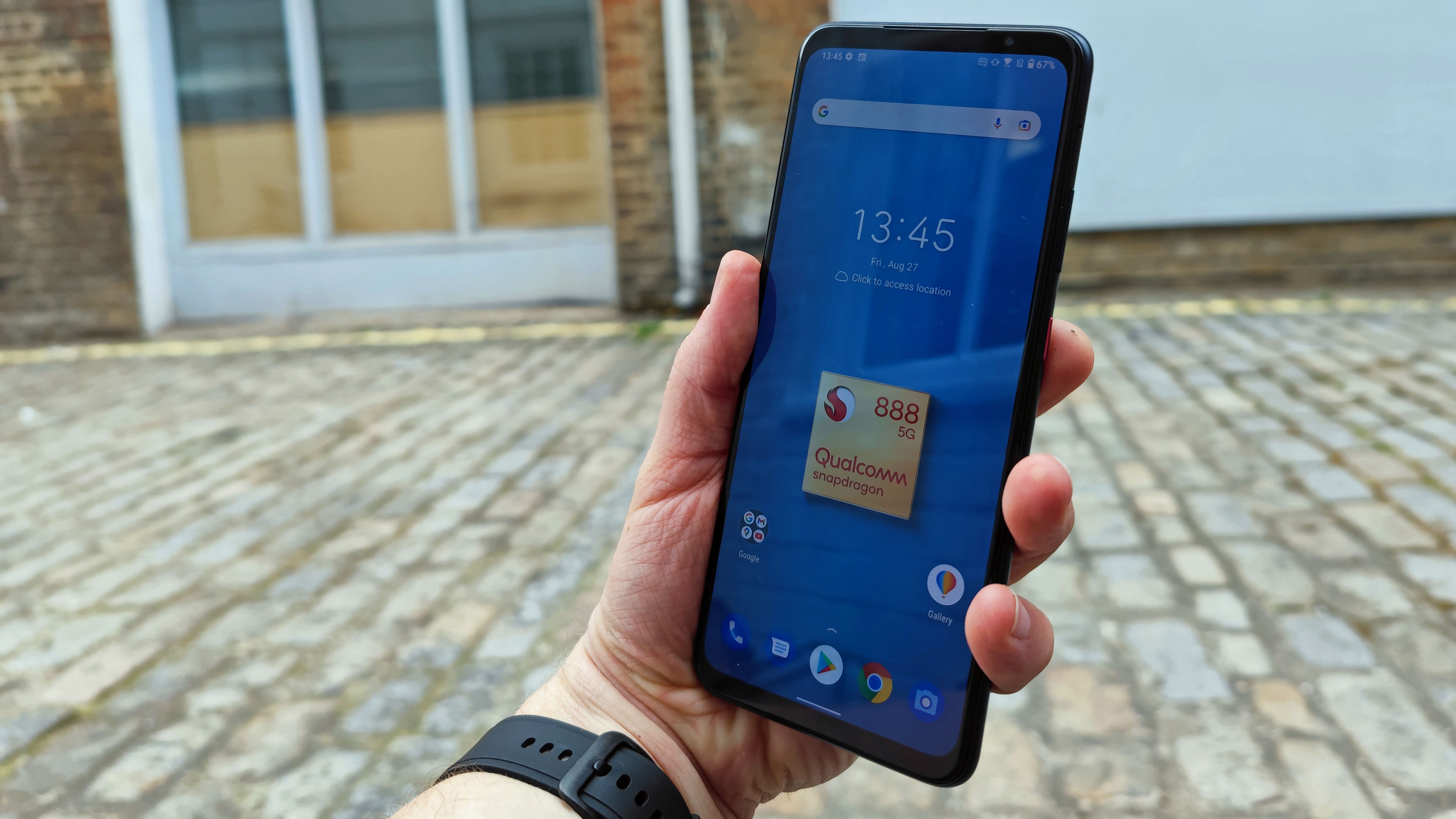
In early July, smartphone component maker Qualcomm unveiled its new Android phone, made in collaboration with Asus. The Smartphone for Snapdragon Insiders - that's literally the name, we're not using some bizarre synonym - costs a princely $1,499 / £1,099 (roughly AU$2,020), but justifies its price in a few key ways.
The phone acts as a showcase for many of Qualcomm's technologies: it uses the top-end Snapdragon 888 chipset, comes with earbuds that use Snapdragon Sound tech, uses the company's fast-charging tech, and utilizes some camera features designed by the company too.
This isn't just a showcase phone though, and judging by the marketing and Asus partnership, it seems Qualcomm is hoping mobile gamers will pick up the phone.
We can certainly see mobile gamers being attracted to the phone's specs and features, but testing the thing has made us realize that there's a lot more to a gaming smartphone than its specs.
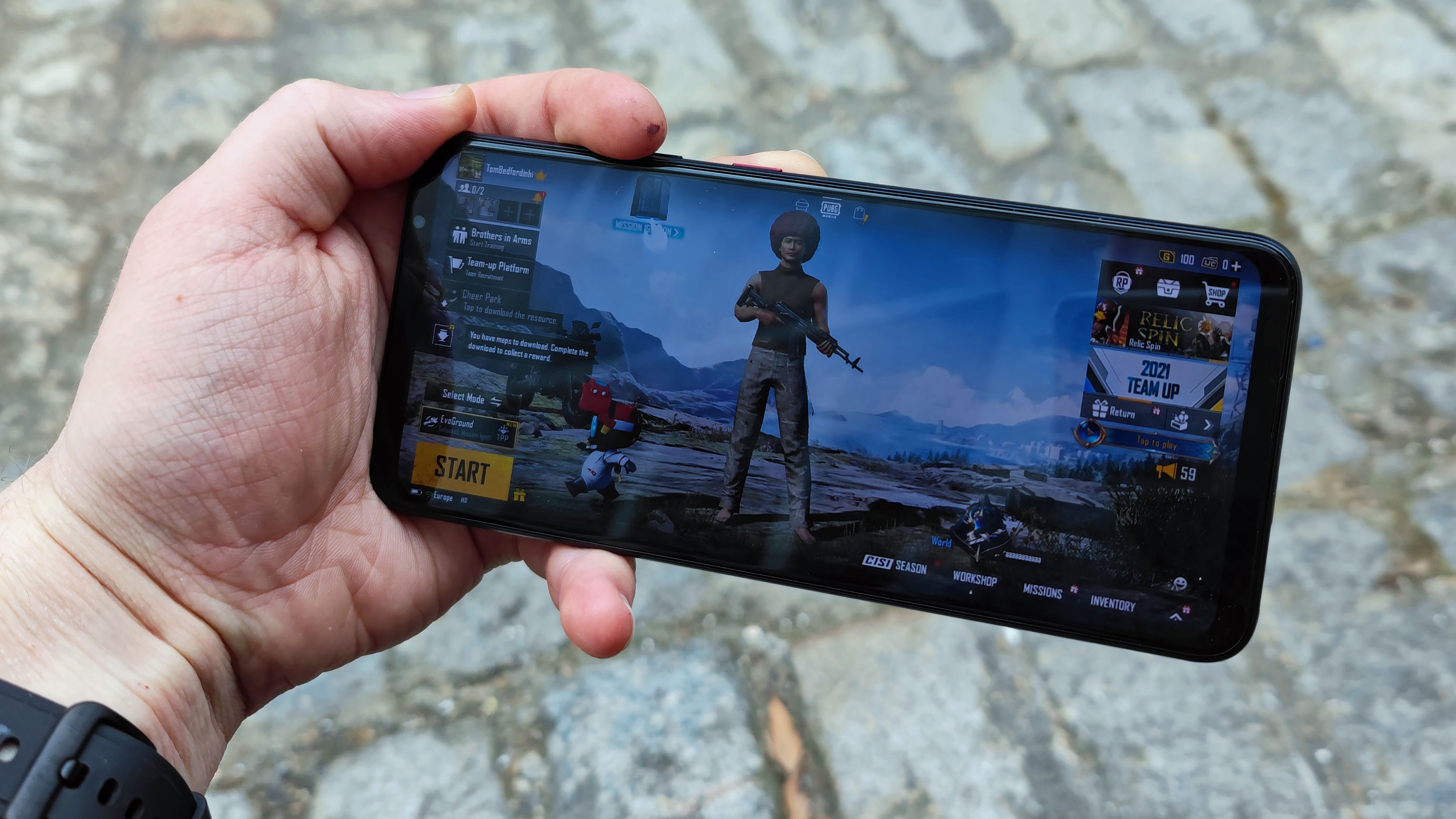
We tested some of the biggest mobile games on the Smartphone for Snapdragon Insiders, and found they always played flawlessly.
Games played without lag or stutters, and on titles with graphics options, we could always use the top offering without having to worry about the phone giving up on us.
(Image credit: Future)
We used the phone with the bundled headphones - these have the Snapdragon Sound branding, but it seems they're actually just repurposed Master & Dynamic MW08s. We gave those wireless earbuds a very positive review, though, so that's no bad thing. Audio sounded great on these, in part due to the Snapdragon Sound lossless audio.
If we were watching someone use the Smartphone for Snapdragon Insiders, maybe peering over their shoulder as they wander through a game of PUBG Mobile, it would seem like a great device. But actually playing with the thing made made us realize what we actually need from a gaming phone, and it's not just specs.
It's in the details
The one big problem with mobile gaming is that touch controls on a smartphone can be quite finickity, so the time between 'thinking you need to react' and 'actually reacting' can be quite long, as you work out where the right button is and stretch your fingers to press it.
Many gaming phones, like the Nubia Red Magic 6 or Lenovo Legion Phone Duel, solve this by using physical trigger buttons. These sit on the side of the handset, so they're on top when you hold the device landscape to play games, and are super easy to reach. You can map them to controls - say, in a shooting game, tapping one trigger shoots your gun.
Once you've played a competitive mobile game on a device with triggers, it feels hard to go back to on-screen controls, because they're so convenient and natural. They turn a 'powerful phone' into a real 'gaming phone'.
Another feature of gaming phones that makes them great is the software, as they have launchers you use to play the games. There are various optimizations from this as the phones will generally silence notifications, dedicate all the processing power to the game, and sometimes boost the cooling systems too.
Some smartphones even have physical triggers for this, so you can just flick a switch and easily jump into a game in no time, without having to scroll through your app drawer or phone menus to find the title you're looking for.
(Image credit: Future)
These are things we've come to take for granted on most gaming phones, but the Smartphone for Snapdragon Insiders doesn't have triggers or a gaming space - and we really started to notice this when we were playing games.
Getting triggered
We're so used to testing smartphones with triggers and game spaces that it was a little jarring using a gaming device without the features - in a busy Call of Duty: Mobile match we'd find our fingers idly drifting north and tapping the sides of the device, even if it didn't actually do anything.
Despite the fact we were staring at high-res graphics, on a display with a top refresh rate that was big enough to see the details of every visual, we didn't find ourselves loving gaming on the Smartphone for Snapdragon Insiders, mainly because of the lack of these two features.
Qualcomm has kitted out its device with all the best tech it's created, but the issue lies in the tech it hasn't created - now that most gaming phones have triggers and game spaces, it's hard to adjust to a device that doesn't.
Before testing the Smartphone for Snapdragon Insiders, we were sure a gaming phone just needed to be powerful and have a great-looking display. It was only when playing games that we noticed that, while the power was great, it's the extra features that really make a gaming phone stand out.
That's not to say you should avoid the Smartphone for Snapdragon Insiders for what it lacks - the price is much more of a disincentive - but it's a lesson in what really makes a great gaming phone.
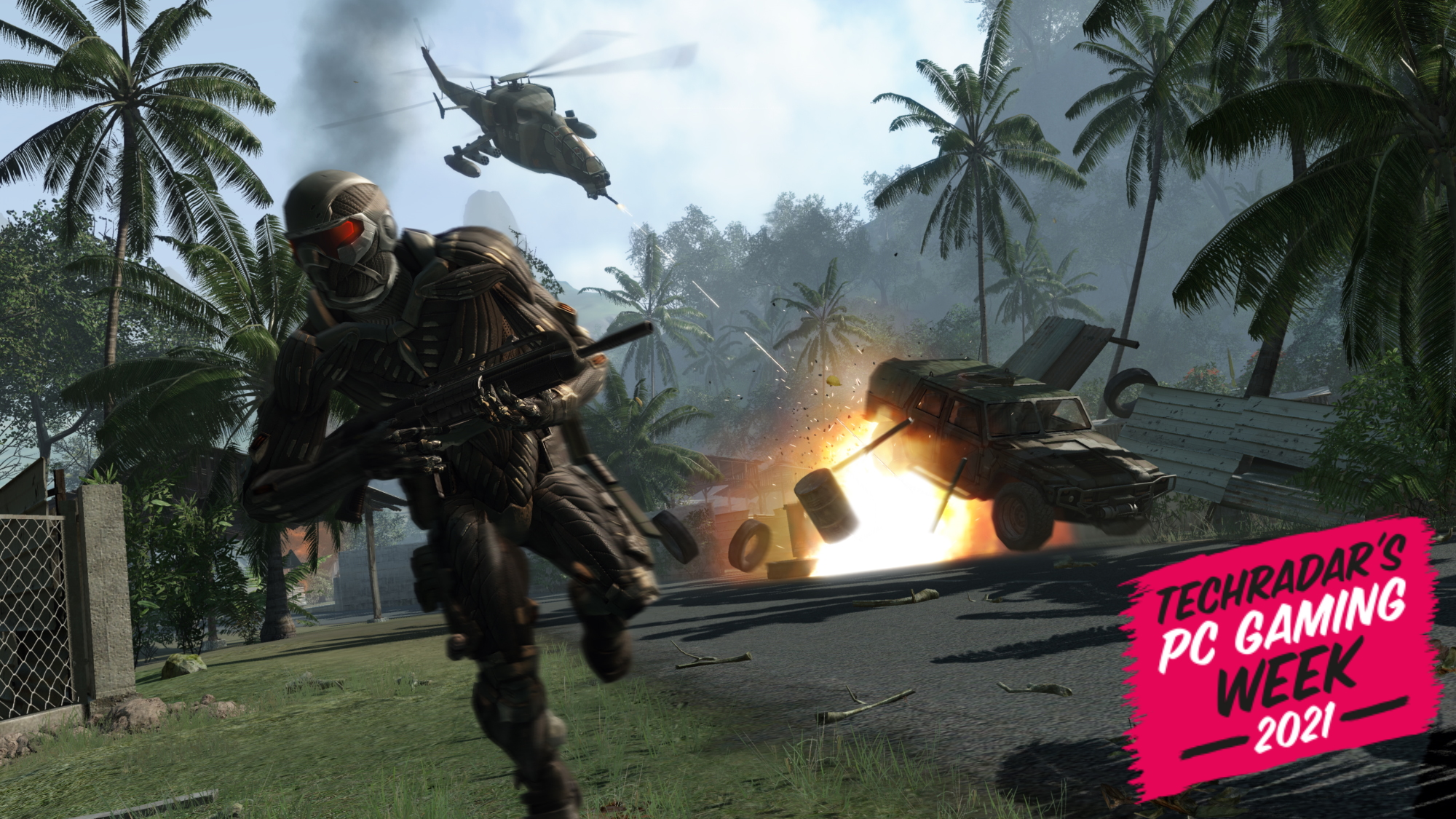
TechRadar's PC Gaming Week is back for 2021, and PC gaming has never been better – or more important.
The PC continues to be the best place to play games if you're after sheer breadth of game types. From obscure indie games to visually stunning AAA titles, our humble PCs (or tricked out rigs) let us leave our troubles behind and explore fantastic new worlds, enjoy emotional stories from creators from all over the world, or simply allow us to blow off some steam.
Speaking of steam, Valve is working on the handheld Steam Deck console, which could bring PC gaming to an even bigger audience. With Nvidia, Intel and AMD all producing some of the best PC gaming hardware they've ever made (if you can find the bloody things in stock), it's never been a better time to be a PC gamer, as our PC Gaming Week 2021 will show.
(Image credit: Crytek)
How Crytek became one of the biggest names in PC gaming
Crytek is one of the most recognisable names in PC gaming, especially with its Crysis series, which have been pushing the limits of our hardware for years. However, despite plenty of critically-acclaimed titles, studio closures and financial problems proved that nothing is easy.
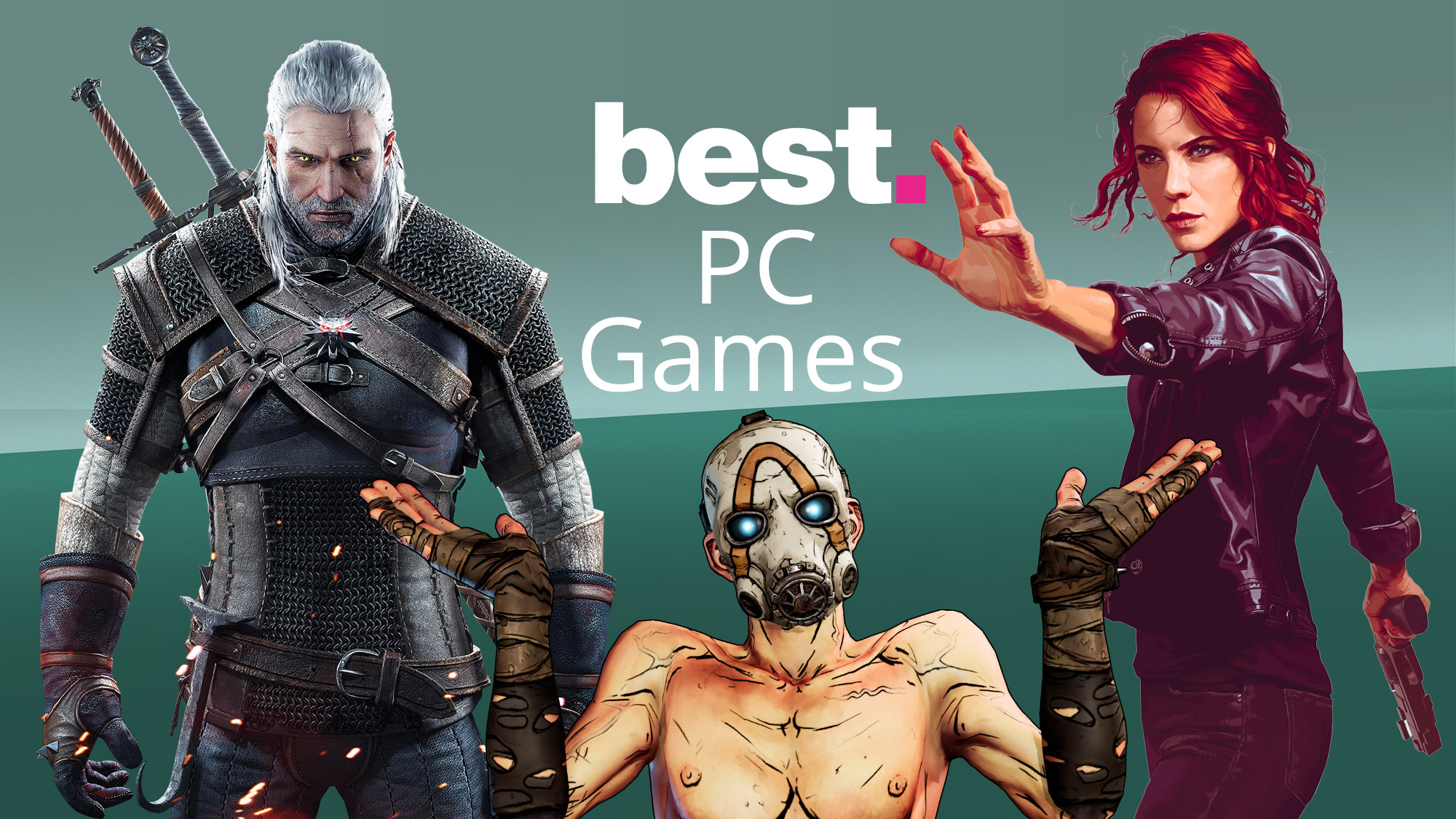
PC Gaming Week wouldn't be complete without our definitive rundown of the very best PC games you can play right now.
From the top single player games, to hectic multiplayer madness, we selected what we think are the best PC games in 2021. Each one has been thoroughly played by us, and they all prove why the PC is the best gaming platform.
(Image credit: Shutterstock)
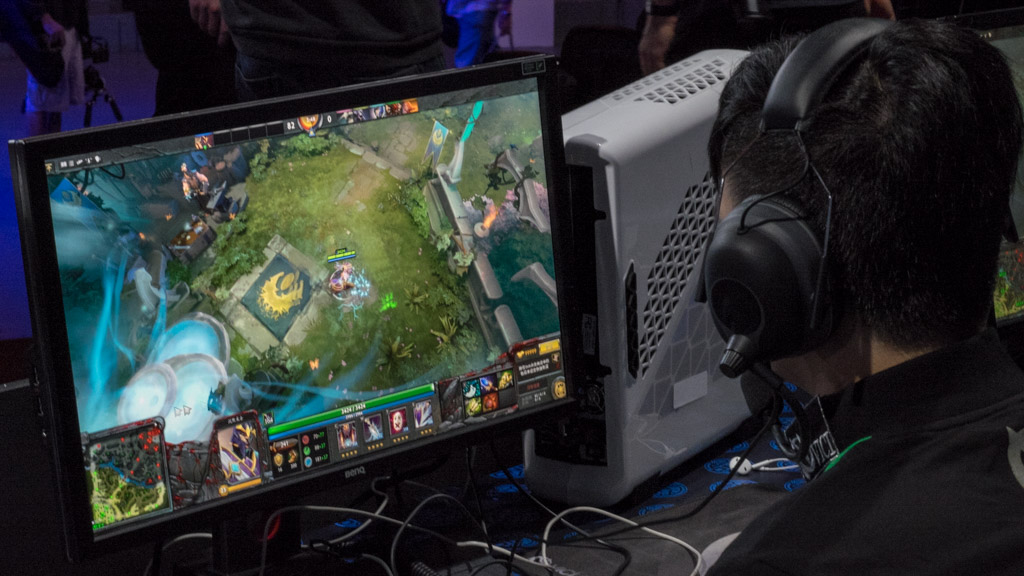
The best gaming PC 2021: 10 of the top gaming desktops you can buy
For PC Gaming Week 2021, we picked the very best gaming desktop PCs that money can buy right now. If our PC gaming coverage made you desperate to fire up a rig and play some games, then this list is an excellent starting point.
(Image credit: Future)
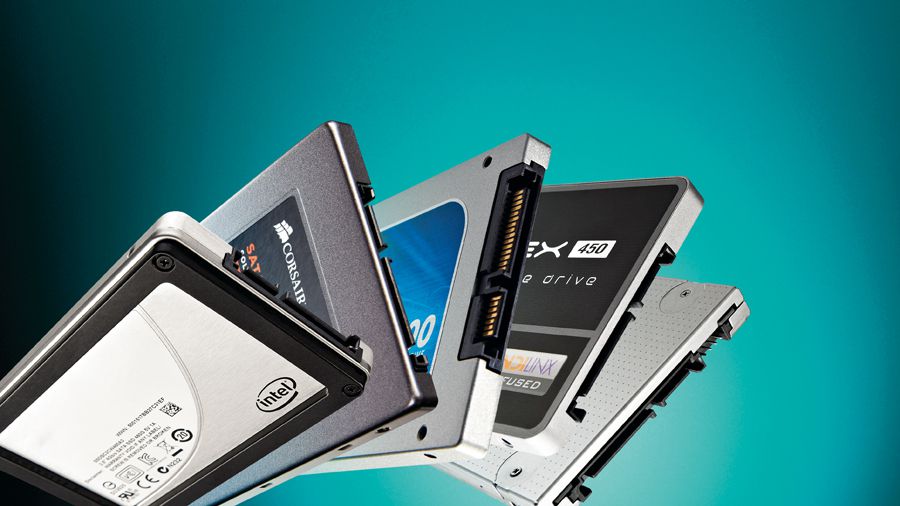
Best SSDs 2021: the top solid-state drives for your PC
With the amount of massive PC games releasing on an annual basis, peppered with countless indie releases that just demand playing, the need for a fast, sizable solid-state drive is more dire than ever.
So, we incorporated our guide to the best SSDs on the market in several categories into PC Gaming Week 2021. Here's what we think are the best SSDs for several use cases and occasions.
(Image credit: Future)
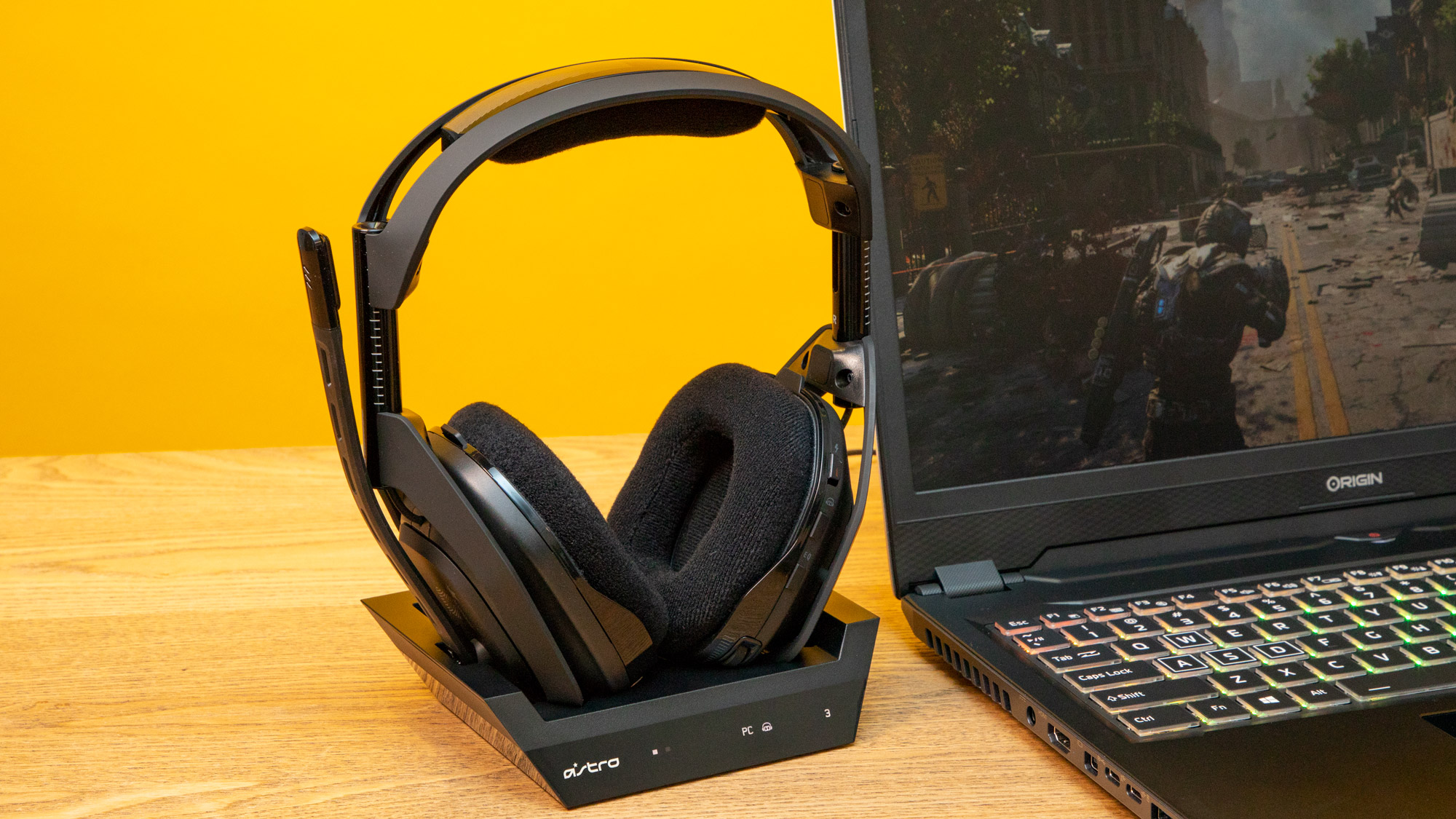
The best PC gaming headsets of 2021
Being huge fans of PC gaming, we test every end of the hardware experience, even the vast PC gaming audio market. We particularly enjoy the immersion of a good gaming headset.
Since we figure at least some of you share the same desire for excellent audio from our PC games, we included our comprehensive list of the best PC gaming headsets we tested in 2021.
from TechRadar - All the latest technology news https://ift.tt/3gJ3OEb
Any changes to an app or service's terms and conditions tend to cause concern, and this was certainly the case when it was announced th...
Any changes to an app or service's terms and conditions tend to cause concern, and this was certainly the case when it was announced that WhatsApp was intending to introduce updated terms of service. In the weeks that followed the revelation, all manner of rumors and speculation spread like wildfire.
Users expressed worries that they would not long be able to use WhatsApp if they were unwilling to accept the new terms, or that they would have to make do with a limited service. Now we know a little more, and it seems that the upcoming changes to WhatsApp's terms will be optional – but just what does this mean?
The latest information shows that fears about accounts being closed down for failing to accept changes to terms were unfounded. In fact, while WhatsApp is going ahead with planned policy updates, they will be optional as they only apply in particular circumstances – specifically, chatting to a business.
Screenshots shared by WABetaInfo show the message that users will see if they want to communicate with a business through the service. It reads:
Chat With This Business WhatsApp Recently updated its terms and privacy policy. This business uses a secure service from the Facebook company to manage chats. To chat with this business, review and accept the WhatsApp update.
This is a major difference from what many had feared or expected of the changes to terms. If you don't accept the updated policy, then you won't be able to start chatting with businesses you might be dealing with over WhatsApp.
Better than expected
The proposed changes proved so controversial because they would have affected so many people in their original format – with plenty of discussions over the policy updates, their implementation, and their implications even before they're rolled out. It was the fact that the new terms grant permission for WhatsApp to share data with Facebook that caused such upset, but now this will apply to a much smaller subset of users.
WhatsApp will be hoping that by limiting the new terms to only those people who want to get in touch with businesses, there will be greater acceptance. And based on the reaction so far, it's likely the company will be pleased with how this modification has been received.
There is a lot to be said for companies that listen to feedback from customers, and this seems to be what has happened here. In a heartening display of attentiveness from a gigantic company, WhatsApp – or its parent company, Facebook – has heeded people's concerns rather than just steamrollering over them.
It is entirely possible that this was the intention all along, but whatever the truth is, the fact of the matter is that this has work out to be a great public relations win for WhatsApp. Rather than being a heartless corporation, bloody-mindedly doing whatever it wants, here people power has been shown to have strength.
There will , of course, be those who are still unhappy that the revised terms have to be accepted in order to use WhatsApp to get in contact with businesses. But, ultimately, what matters is that the core functionality of the service and its apps remains unchanged.
from TechRadar - All the latest technology news https://ift.tt/3ywrUI6
Windows 10 testers are now being notified of whether their PC is compatible for an upgrade to Windows 11 . Currently, to check whether th...
Windows 10 testers are now being notified of whether their PC is compatible for an upgrade to Windows 11.
Currently, to check whether they’re eligible to upgrade to Windows 11, those testing Windows 10 must use the recently revamped preview version of Microsoft’s PC Health Check tool (the one that was briefly released when Windows 11 was first announced, and then swiftly pulled due to issues, if you recall). But now testers in the Release Preview channel are getting a direct message from Windows Update on the compatibility status of their PC, as Windows Latest spotted.
Assuming all is well, you’ll receive the following message: “Great news – your PC meets the minimum system requirements for Windows 11. Specific timing for when it will be offered can vary as we get it ready for you. Note: Some Windows 10 features aren’t available in Windows 11. Certain apps and features may have additional requirements.”
Or, on the other hand, you’ll be told that your machine won’t support Windows 11. A link is also provided by Windows Update so you can check out the exact device specifications required for the revamped version of the operating system.
Analysis: A useful touch – and ignore compatibility warnings at your peril
This compatibility message and link to extra info on spec requirements is obviously a handy addition to Windows Update, and doubtless soon enough the release version of Windows 10 will get this functionality – certainly if Windows 11 sticks to its predicted launch schedule of October (going by the rumor mill), because that really isn’t far away now.
Remember, though, that even if your PC is declared as unfit for Windows 11, it will be possible to go ahead and install the new OS manually via an ISO file, because as we recently heard, Microsoft won’t prevent this.
Note very carefully, however, that ignoring compatibility warnings and going ahead and taking this DIY route to get Windows 11 on your PC will have some major caveats, including the possibility that your system might become seriously unstable.
Not only that, but you will be running Windows 11 unsupported in this case, meaning you won’t get cumulative updates and the likes of crucial security fixes. So, in short, it’s not much of an option – it’s only really there for businesses running PCs which don’t have internet access – except perhaps for checking out the OS and giving it a trial (which you could do now with the preview version, of course).
We've heard plenty of rumors around the Apple Watch 7 in recent weeks, but now one of the most reliable tipsters in the business has weighed in – and it sounds as though brand new watch faces are on the way, to match the wearable's larger display.
That's as per Mark Gurman in his Power On newsletter. Gurman has got plenty of Apple predictions right in the past, and has previously stated that this year's Apple Watch (due in September) is going to come with a flatter, larger display – a redesign that has appeared in leaked renders.
"I'm told that Apple will bundle multiple new watch faces to take advantage of the bigger screen, including an updated Infograph Modular face," writes Gurman (via 9to5Mac). The two Apple Watch 7 sizes are reported to be 41mm and 45mm, up from 40mm and 44mm with the Apple Watch 6.
Gurman also says that there won't be any more sensors added to the Apple Watch this year, after the introduction of the blood oxygen sensor in last year's refresh. In 2021, the focus is going to be on the new look and the new sizes for the smartwatch.
It's possible that a body temperature sensor is going to be added with the Apple Watch 8 in 2022, according to Gurman, but the Apple Watch 7 is aiming to tempt users into a purchase with a fairly significant redesign – and perhaps some new colors.
The Apple Watch 7 should also come with an upgraded processor, and will no doubt arrive running watchOS 8. Also in the pipeline, if the rumor mill is correct, is a Time to Run feature that gives you a library of guided running exercises (Time to Walk is already out).
Analysis: Apple tries to keep the Apple Watch momentum going
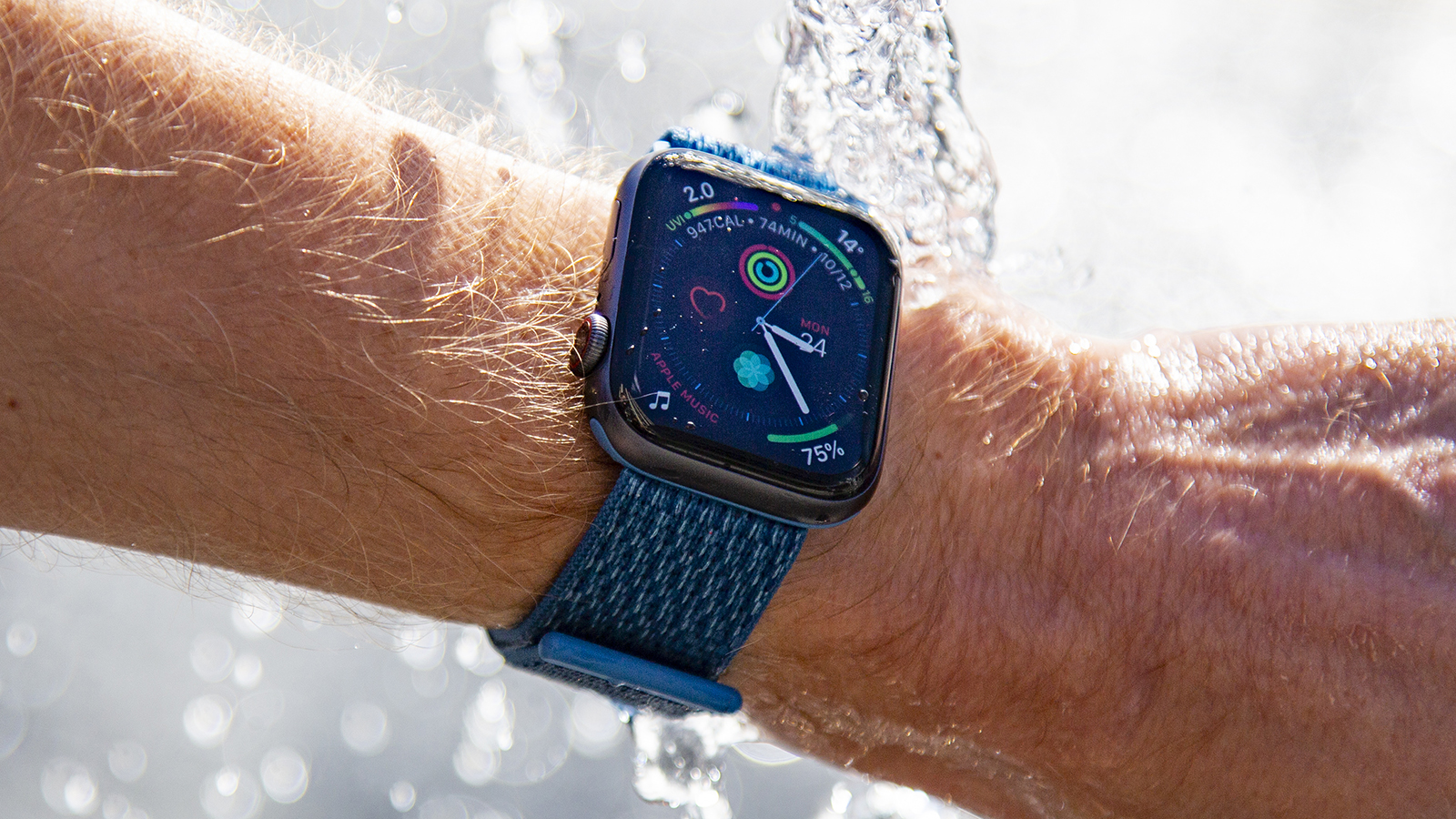
The Apple Watch 4,(Image credit: Future)
The Apple Watch has been a major success, but as we're now past six years since the first model appeared on the scene, Apple knows that it needs to keep innovating with the annual updates in order to keep up interest and maintain strong sales.
And so we're set for the first significant design to the Apple Watch in its history, as well as the first screen size change since the Apple Watch 4 introduced a bigger display than the Apple Watch 3. There aren't going to be massive changes to the internal components this time around – it's all about the aesthetics.
It's a redesign that makes a lot of sense too, bringing the wearable in line with the look of the iPhone 12 and the iPad Pro. From what we've seen in the leaked renders that have appeared to date, it looks as though Apple has pulled off the challenge of redesigning its iconic smartwatch rather well.
Remember that after years of Wear OS inactivity, Google is pushing out a big update to its smartwatch operating system, with new hardware from Samsung and Fossil in tow. The competition is getting its act together, and Apple knows it needs to respond.
TechRadar's PC Gaming Week is back for 2021, and PC gaming has never been better – or more important.
The PC continues to be the best place to play games if you're after sheer breadth of game types. From obscure indie games to visually stunning AAA titles, our humble PCs (or tricked out rigs) let us leave our troubles behind and explore fantastic new worlds, enjoy emotional stories from creators from all over the world, or simply allow us to blow off some steam.
Speaking of steam, Valve is working on the handheld Steam Deck console, which could bring PC gaming to an even bigger audience. With Nvidia, Intel and AMD all producing some of the best PC gaming hardware they've ever made (if you can find the bloody things in stock), it's never been a better time to be a PC gamer, as our PC Gaming Week 2021 will show.
(Image credit: Crytek)
How Crytek became one of the biggest names in PC gaming
Crytek is one of the most recognisable names in PC gaming, especially with its Crysis series, which have been pushing the limits of our hardware for years. However, despite plenty of critically-acclaimed titles, studio closures and financial problems proved that nothing is easy.
PC Gaming Week wouldn't be complete without our definitive rundown of the very best PC games you can play right now.
From the top single player games, to hectic multiplayer madness, we selected what we think are the best PC games in 2021. Each one has been thoroughly played by us, and they all prove why the PC is the best gaming platform.
(Image credit: Shutterstock)
The best gaming PC 2021: 10 of the top gaming desktops you can buy
For PC Gaming Week 2021, we picked the very best gaming desktop PCs that money can buy right now. If our PC gaming coverage made you desperate to fire up a rig and play some games, then this list is an excellent starting point.
(Image credit: Future)
Best SSDs 2021: the top solid-state drives for your PC
With the amount of massive PC games releasing on an annual basis, peppered with countless indie releases that just demand playing, the need for a fast, sizable solid-state drive is more dire than ever.
So, we incorporated our guide to the best SSDs on the market in several categories into PC Gaming Week 2021. Here's what we think are the best SSDs for several use cases and occasions.
(Image credit: Future)
The best PC gaming headsets of 2021
Being huge fans of PC gaming, we test every end of the hardware experience, even the vast PC gaming audio market. We particularly enjoy the immersion of a good gaming headset.
Since we figure at least some of you share the same desire for excellent audio from our PC games, we included our comprehensive list of the best PC gaming headsets we tested in 2021.
from TechRadar - All the latest technology news https://ift.tt/3js6XKj
Among the very best 8K TVs available to buy right now, there are only really three names in the conversation: Samsung, LG and Sony. Choosi...
Among the very best 8K TVs available to buy right now, there are only really three names in the conversation: Samsung, LG and Sony. Choosing which of those manufacturers to buy from, though, is an altogether larger question.
In this guide, we compare the 8K TV lineups of Samsung and Sony, pitting their display offerings against one another by breaking down their features, app support and, of course, price.
But what’s the deal with 8K resolution, anyway? Essentially, it’s the sharpest resolution available on a TV set today. Often confused as being twice as sharp as a 4K, 8K TVs actually boast resolutions of 7,680 x 4,320 pixels to create whopping 33-megapixel images – which is more than four times sharper than their 4K counterparts.
For those looking for the highest quality home viewing experience, then, the 8K TVs offered by Samsung and Sony are a great place to start. So, which brand should you side with?
It’s worth starting out by clarifying that Samsung is a lot more invested in 8K than Sony. While the former has a broad lineup of 8K TVs ranging from reasonably-priced displays (relatively speaking) to eye-wateringly expensive sets, the latter only releases around one 8K TV per year.
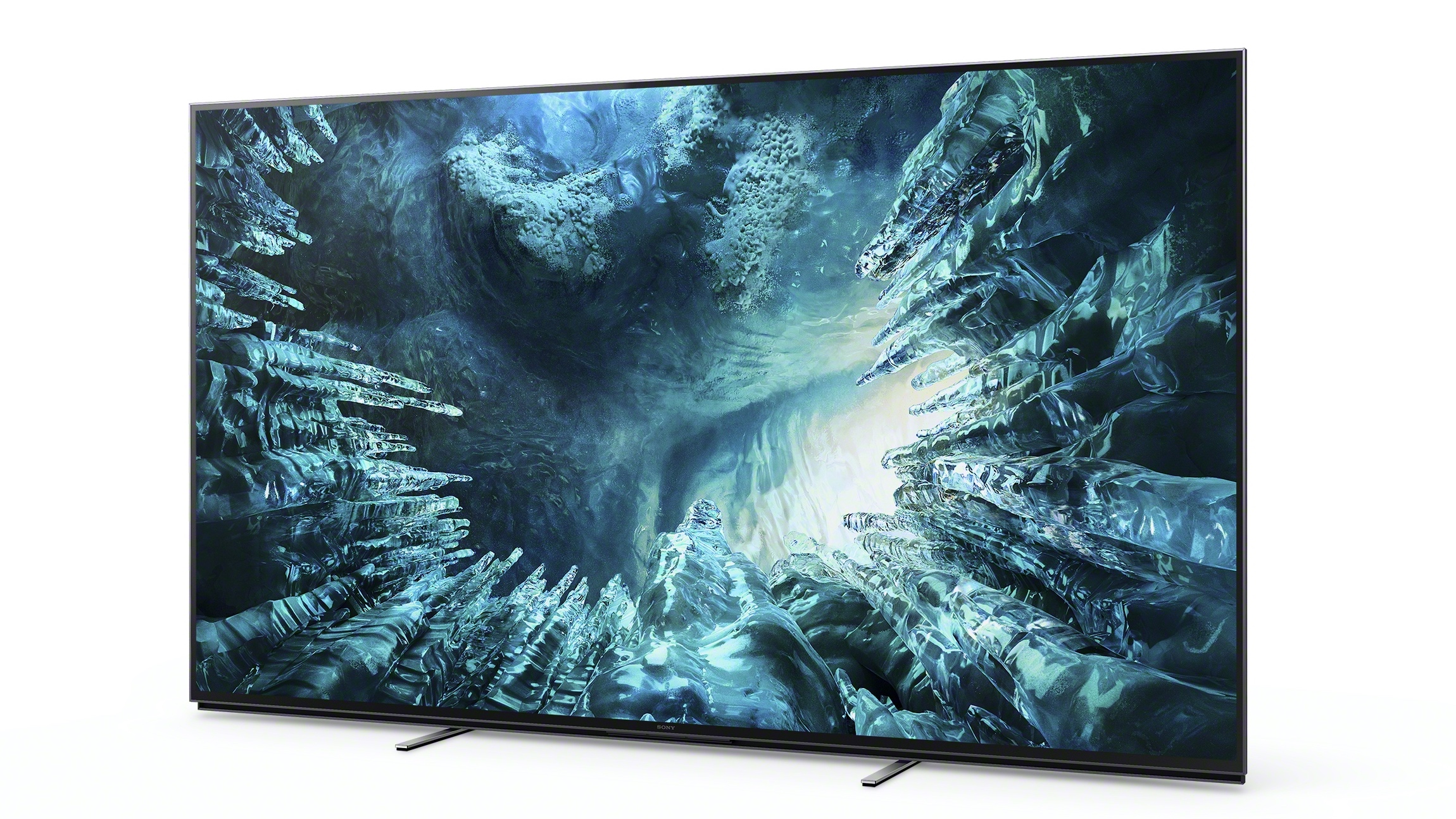
In fact, given that Sony’s first 8K TV, the Sony Master Series Z9G, was only available in 85-inch and 98-inch sizes (at a price of either $13,000 / £14,000 or $70,000 / £85,000), it’s safe to say that the brand’s 2020 offering, the Sony Z8H/ZH8, marked the first mainstream 8K TV from the Japanese manufacturer.
We’re still waiting on the release of Sony’s 2021 8K TV, though we anticipate it being the Sony Master series Z9J, an LED TV that will be available in 75 and 85-inch sizes. Since that isn’t out yet, though, Sony’s 8K ‘lineup’ really only consists of one display, the aforementioned Sony Z8H/ZH8.
Luckily, the Z8H/ZH8 is a great TV. Combining rich contrast, gorgeously saturated colors, outstanding video processing and extreme HDR-friendly brightness, it offered one of the best LCD TV pictures of 2020 and a refreshingly-accessible alternative to the bombastic nature of the giant Sony Master Series Z9G. It can only take 8K sources over HDMI, mind, but as Sony’s first foray into mainstream 8K technology, it remains a fantastic TV.
The superior number of Samsung’s 8K offerings means that when it comes to a comparison between the brands’ lineups, Samsung takes the crown.
As for how Sony’s 8K range lines up against Samsung’s, though, there’s really no comparison. The South Korean brand has long been a leader in the TV market, seizing on the latest technological trends (3D, 4K, 8K etc.) to deliver some of the best displays money can buy.
When it comes to its 8K lineup, half of our best 8K TVs ranking is made up of Samsung displays, namely the excellent Samsung Q800T 8K QLED and even better Samsung QN900A Neo QLED (which we gave five stars in our review).
The latter, for our money, is the best 8K TV you can buy today, and though Sony’s Z8H/ZH8 sits just below it as the second best, the superior number of Samsung’s 8K offerings means that when it comes to a comparison between the brands’ lineups, Samsung takes the crown.
Our pick for the best 8K TV? Right now it's the Samsung QN900A Neo QLED.(Image credit: Samsung)
Prices
Of course, the price of these high-end displays is the most important differentiator for many prospective 8K TV buyers.
It’s no surprise that 8K TVs outprice their 4K counterparts significantly, especially with far less choice available given the technology is still in relative infancy. That doesn’t mean these high-end displays are out of reach, though.
Sure, the top-end models from Samsung and Sony demand the big bucks – at launch, you couldn’t get a Sony Master Series Z9G, for instance, for less than $13,000 / £14,000, nor a Samsung Q950TS for similar money – but the brands’ entry-level sets are comparable when it comes to price.
Take the Samsung Q800T QLED, which we named as the cheapest 8K TV around. Offering 8K resolution at a 4K price, the display now sits at around $2,500 / £2000 / AU$3,500 (from a $3,199 / £3,799 / AU$4,999 launch figure), which is in the same region as Sony’s only mainstream 8K TV, the Z8H/ZH8 (now around $4,100 / £3000 / AU$5,500).
When it comes to price, then, both Sony and Samsung have displays on either end of the spectrum. Naturally, given Samsung’s broader product range, you’ll find more 8K TVs at different prices – rising all the way up to the lofty figures boasted by its most prestigious displays – but both brands offer 8K TV options for budgets beginning in the early thousands.
It’s also worth noting that the most expensive displays from both Sony and Samsung depreciate hugely. The aforementioned Sony Master Series Z9G and Samsung Q950TS, for example, are now a fraction of their launch price – so it’s worth shopping for models from a year or two prior if you’re intent on grabbing the best value.
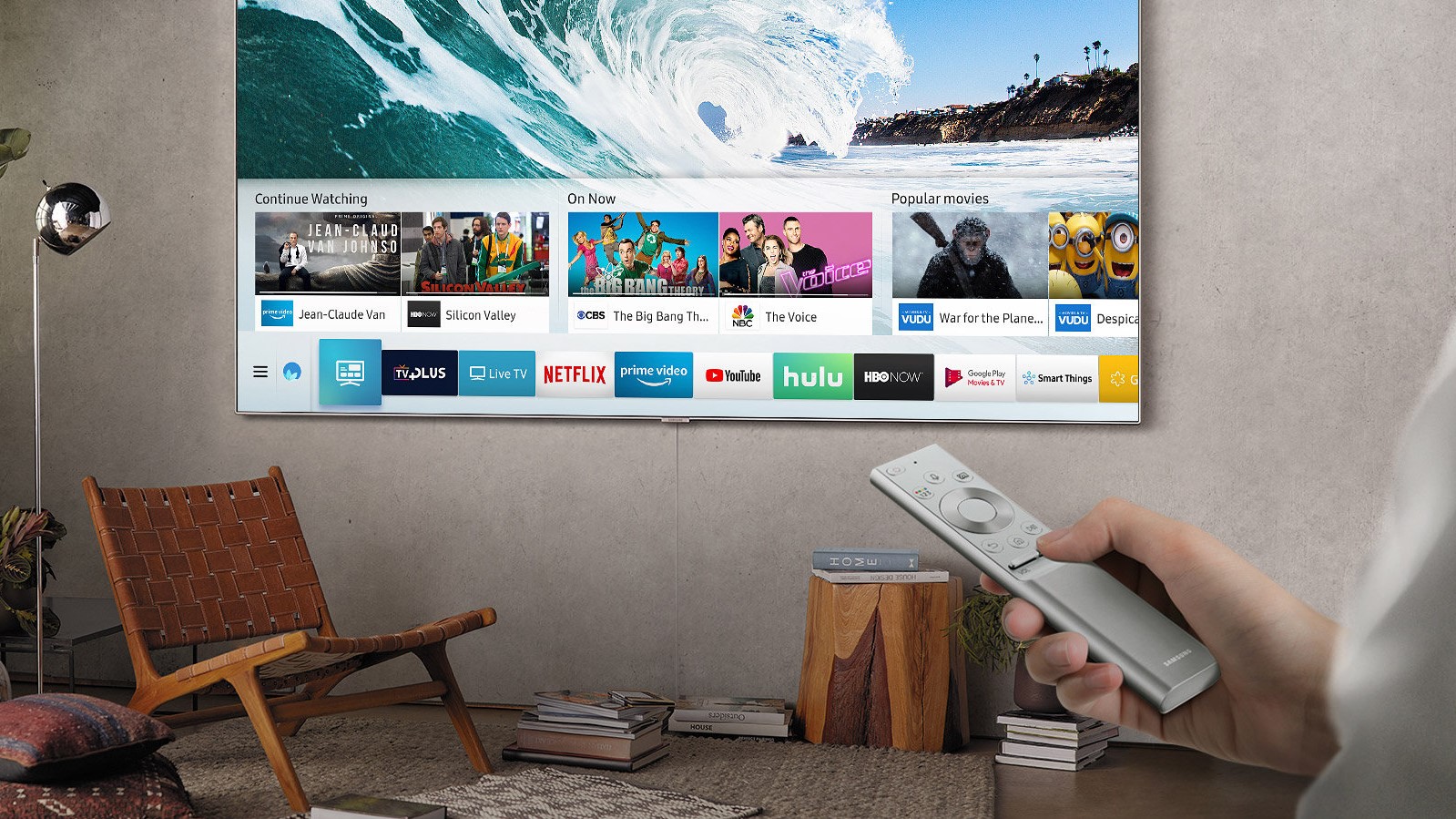
Available on Samsung TVs, Tizen (pictured above) is a great all-around smart TV platform that offers loads of streaming services on a fast, easy-to-use UI.(Image credit: Samsung)
App support
The question of app support on each brand’s 8K TVs widens the gap a little more. However, long story short: Sony’s displays use Android TV, while Samsung’s use the superior Tizen platform.
These might be trivial concerns, but when comparing Android TV to an operating system like Tizen, its shortcomings are laid bare.
Sure, Android TV has a vast amount of content and apps – Netflix, Amazon Prime Video, YouTube, Google Play Movies, Rakuten, BT Sport (in the UK) and Disney Plus among them – but it doesn’t provide all of the key catch-up apps (no BBC iPlayer or ITV Hub in the UK, for instance), while Apple TV isn’t available globally. The interface is also overwhelming, taking over the entire screen rather than letting you continue watching TV while you browse.
These might be trivial concerns, but when comparing Android TV to an operating system like Tizen, its shortcomings are laid bare. The latter, in contrast, boasts a far superior interface and all of the most popular apps and services (including Apple TV).
A press of the home button on your remote will see your favorite apps and sources pop up from the bottom edge of the display in a horizontal line – not occupying the entire screen like Android TV – and cycling through these tiles also sees additional information spring up above the initial row of apps. For instance, hovering over a streaming service like Netflix will present you with a view of your recently viewed shows and movies, allowing you to continue directly from your home screen.
It’s small features like this that make the app support – and app experience – on Samsung TVs far better than that of Sony’s equivalent displays. The latter are by no means lacking in apps and services, nor is their interface entirely un-usable, but Samsung’s Tizen platform is objectively superior.
The Z8H/ZH8’s Acoustic Multi-Audio set up is almost as much of a feature as its 8K pictures.(Image credit: Sony)
Other features
As well as picture quality and app support, the 8K TVs from Sony and Samsung pack several other neat features, too.
For instance, although we’re critical of Android TV on Sony’s 8K sets, the platform does open its displays up to some useful, wider Android-related features, like built-in Google Assistant voice control, initial set up assistance if you have an Android phone and Chromecast Built-in support.
The Z8H/ZH8’s Acoustic Multi-Audio works via tweeters tucked behind the top left and right corners of the TV to give sound details a forward ‘push’, ensuring that audio seems to come from the whole screen area, rather than just from the bottom.
Sony’s 8K audio support is pretty great, too. The Z8H/ZH8’s so-called Acoustic Multi-Audio set up is almost as much of a feature as its 8K pictures, and works via tweeters tucked behind the top left and right corners of the TV to give sound details a forward ‘push’, ensuring that audio seems to come from the whole screen area, rather than just from the bottom.
Essentially, that reduces the need for a separate audio system, since the Z8H/ZH8’s Multi-Audio design delivers an exceptionally detailed, open and powerful audio performance all on its own.
But Samsung’s 8K TV audio options are no slouch, either. Displays like the Q800T feature the brand’s OTS (Object Tracking Sound) technology, which does a great job of bringing depth to whatever you’re watching by making it easy to track noises moving from left to right.
When it comes to other bells and whistles, as mentioned earlier, Sony’s Z8H/ZH8 8K TV can only take 8K sources over HDMI, not streaming or USB. This limits your 8K sources to high-end PCs and next-gen consoles like the PS5 and Xbox Series X, though its upscaling of 4K and HD content still produces super-sharp results.
So which 8K TV manufacturer is the best?
In terms of who does 8K TVs better, though, the answer is still Samsung. Samsung’s larger range of products means far more options are available to prospective TV buyers looking for certain features over others.
In terms of who does 8K TVs better, though, the answer is still Samsung. Sony remains relatively limited in its 8K offerings, with one bona fide consumer screen, while Samsung’s larger range of products means far more options are available to prospective TV buyers looking for certain features over others.
That’s not to say Sony won’t catch up to its competitor in the future. As mentioned, we’re anticipating the arrival of a brand new Sony Master series 8K TV in the coming months, which could combine the feature-based successes of the Z8H/ZH8 with the impressive display of the Z9G.
The Z8H/ZH8 on its own, too, means Sony’s current 8K TV lineup remains a great one – it's just not as great as Samsung’s right now.
Crytek is one of the most important developers in modern PC gaming. The German studio, formed in 1999 by a trio of brothers, has rarely been prolific over the years, but its games have always found themselves at the head of technical and graphical milestones in the medium.
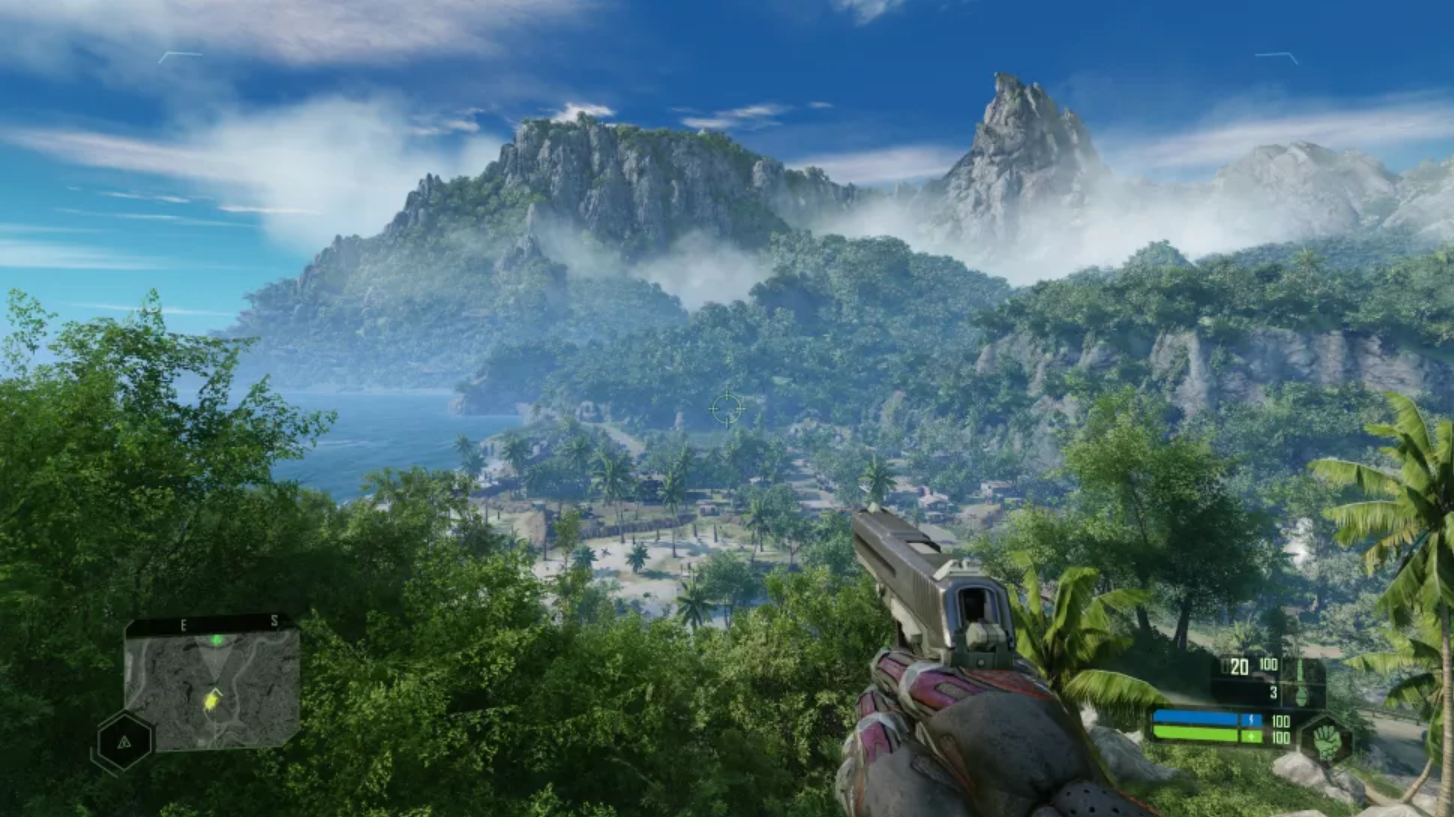
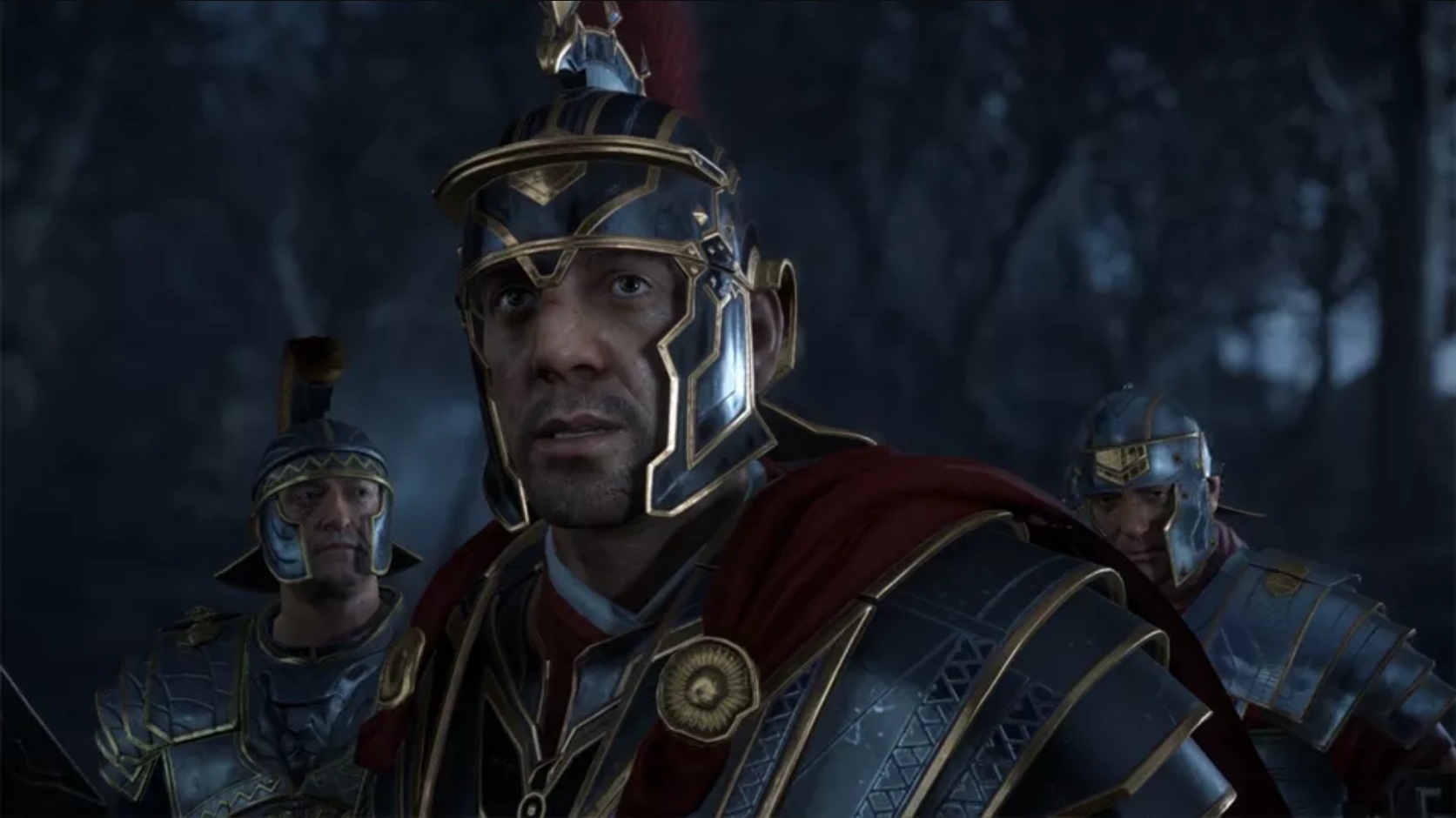
From the azure waters of Far Cry, which heralded a new era in physics and graphics several months before Half-life 2, to technical showcases like Crysis and Ryse: Son of Rome, Crytek - with its proprietary CryEngine - was renowned for dazzling audiences with graphics that would maximise or even go beyond the limits of what was possible at the time (and so the now-legendary ‘but can it run Crysis?’ meme was born).
But Crytek’s 22-year story isn’t just one of pushing hardware and pioneering technologies. Founded in an era where graphics were king, the studio had to adapt as the industry changed over the years, and weather some painful times before re-emerging with bold new ideas and a newfound humility.
Born in X-Isle
Crytek’s journey started, like so many game development stories, in a house. “We had one floor of a house with maybe three or four rooms in it”, recalls Far Cry level designer Petar Kotevski. “It was actually a massage parlour before Crytek. For the first year or so we had people ringing on the door saying ‘We want to schedule an appointment’”.
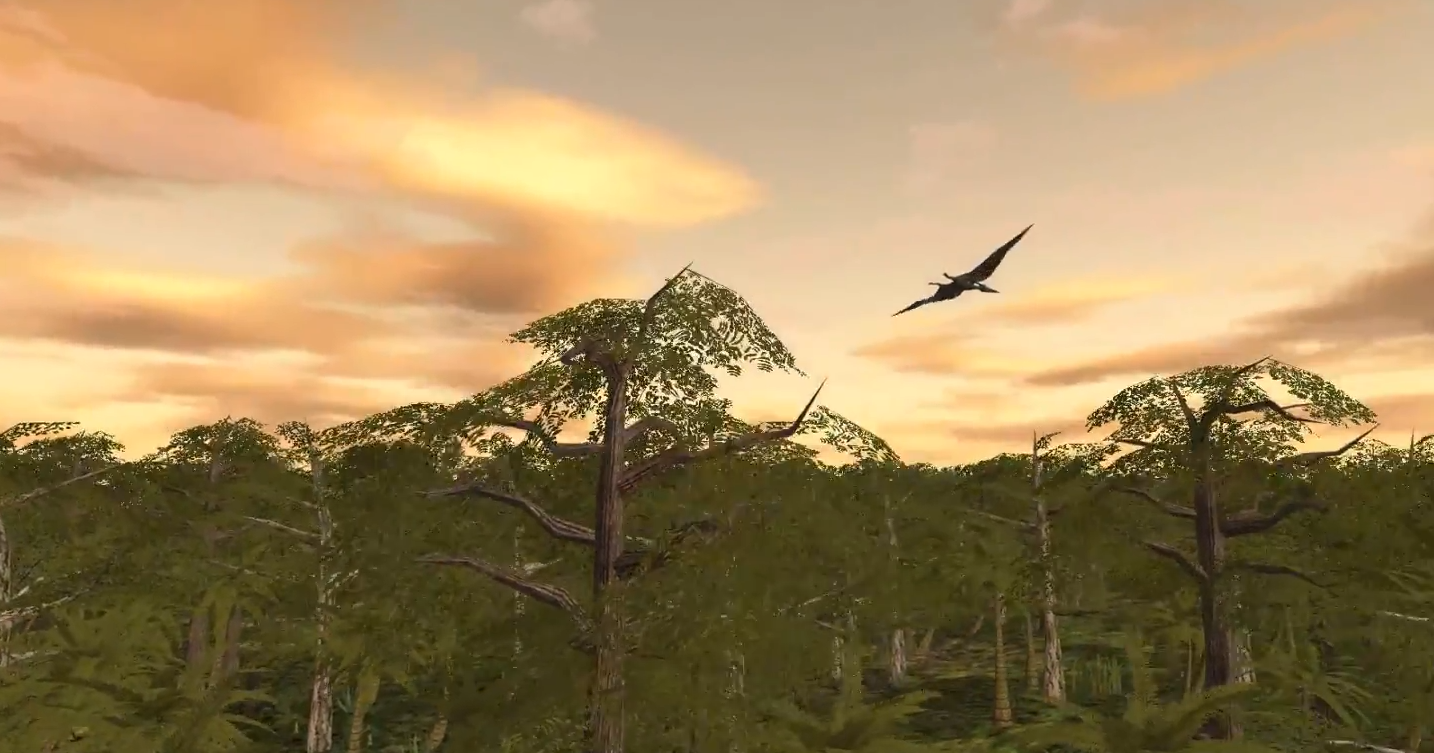
The studio’s first project was X-Isle - an unthinkably advanced CryEngine tech demo that panned over a prehistoric island populated with dinosaurs, with sunlight reflecting off the water, and dense foliage swaying in the breeze. After seeing the demo at E3 1999, Nvidia snapped up X-Isle to use as benchmarking software for its graphics cards. It was Crytek’s big break, and set something of a precedent for the studio that it would be a graphical powerhouse.
(Image credit: Crytek)
The dinosaur concept quickly began forming into a fully fledged game, with Ubisoft picking up the publishing rights not long after E3. “It was going to be called Trespass or something”, Kotevski tells us. “It started as a dinosaur game, Nothing about mercenaries, nothing about mutants - just an unnamed guy going to a dinosaur island”.
Development eventually shifted towards a more realistic shooter, with Ubisoft suggesting the name ‘Far Cry’. Famous though the name is today, Kotevski admits that the team weren’t keen on it at the time.
Far Cry was an innovative game. It established CryEngine as a trailblazer, beating Source and id Tech 4 to the market. Its wide-open areas offered plenty of freedom of approach, and its AI was ruthless, capable of communicating with each other to flank the player and tag their last known position, or shooting the player through tent walls.
"[Far Cry] started as a dinosaur game, Nothing about mercenaries, nothing about mutants - just an unnamed guy going to a dinosaur island."
Petar Kotevski
Players would complain of its difficulty, but much of this was down to players not being used to AI that was actually intelligent. “I’d say that what we went for is something that in the world of AI challenge is called ‘sensory honesty’”, says Kotevski. “When you’re sitting in the bushes, one polygon can obscure your entire vision as a player, but if you’re thinking from the PoV of the AI which is shooting a ray through a couple of bushes, it may feel a little bit unfair because you can’t see them but they can see you”.
Far Cry put Crytek on the map. After the game’s success, a well-documented IP split saw Ubisoft keep the franchise name while Crytek kept the premise and engine. The game’s success led to the company growing, and Crytek moved from Coburg in the Bavarian countryside to the more internationally accessible city-hub of Frankfurt.
(Image credit: Crytek)
The Crysis years
Tom Deerberg and Marcel Schaika arrived at Crytek in 2005 and 2006 respectively - a couple of fresh-faced young developers who were more than happy for Crytek’s tropical island IP to have a bit of a reset.
Crysis, the team's next game, broke with many of the trappings that governed first-person shooters at that time. It was originally going to have fairly traditional progression with the player earning nanosuit upgrades throughout the game, but it quickly became clear that it was simply more fun to have high jumps, hyperspeed, invisibility and super-strength from the outset.
“Some level designer just made a little playground and said, ‘hey, it's so much fun to play that character that you were supposed to have at the very end of the game’”, Schaika explains.
Outside of Quake III and Unreal Tournament, shooters rarely exhibited the kind of mobility and verticality seen in Crysis. The way you moved through the environment was a power trip, anticipating the mechanics seen in much later games like Dishonored and Doom.
Both Deerberg and Schaika heap praise on the CryEngine engineers for Crysis’ technical accomplishments, and took advantage of the tech to deliver an unprecedented level of graphical fidelity. Looking at the difference in how the jungle appears in Far Cry and Crysis reveals just how fast PC graphics were advancing during these technically intoxicating years. CryEngine was right on the frontline in making these advances happen.
“With Far Cry, we built a jungle out of our imagination, which looked cartoony - the water is blue, the sun is yellow and the leaves are green,” says Schaika. “But in Crysis we really tried to understand why there's a gradient in the sky and what kind of colors the leaves have and be super analytical and mimic nature as much as possible. We even flew people over into the jungle”.
"With Far Cry, we built a jungle out of our imagination, which looked cartoony...But in Crysis we really tried to mimic nature as much as possible."
Marcel Schaika
(Image credit: Crytek)
Crysis marked the end of an era for PC gaming. Released shortly after the PS3 and Xbox 360, it was one of the last ‘made for PC’ shooters, designed to push the pinnacle of gaming hardware as well as its own engine without having to worry about compromising to run on consoles.
Deerberg and Schaika admit that the strenuous hardware demands for Crysis were a slight case of naivety and over-excitement from the young team. “You don’t see that any more. You don’t see a company saying ‘hey, let’s make this new super killer thing that is going to melt your hardware’”, Deerberg revealed.
Schaika agrees. “Back then there was so much to explore visually that it was too exciting for our young team. The push for technology was really happening back then. Today, technical achievements are becoming a little bit smaller and less noticeable”.
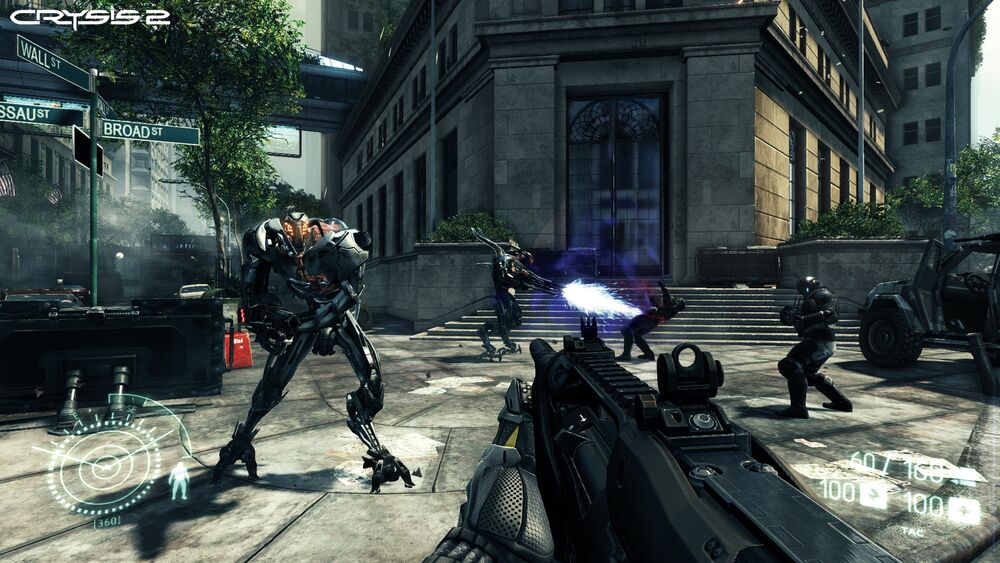
That shift would be felt in Crysis’ own sequels. Designed as a multiplatform game, Crysis 2 was never going to see the same nanosuit-boosted leap as its predecessor. The young team was forced to grow up quickly. “There were a lot of new things introduced so it was a bit of a bumpy production”, says Schaika. “We lost a lot of things due to performance constraints. For instance, we could no longer make everything interactive or breakable”.
A lot of potential locations were floated for Crysis 2. “We were looking at cities like Rio de Janeiro, with its favelas and nice little trees that blend into the jungle and still with some ocean”, Deerberg explains.
"Today, technical achievements are becoming a little bit smaller and less noticeable."
Marcel Schaika
The decision to set Crysis 2 in the fully urban New York City was a “higher-level” one that the dev team had to work with, but the challenging process was at least helped along by a familiar name for TimeSplitters fans. Crytek UK (formerly Free Radical) was brought in to help. “Their art department was a lot more experienced than ours. We learned so much from them in terms of console development and so on”, Schaika recalls fondly. “They were working on the multiplayer part of the game too. Those guys were great”.
(Image credit: Crytek)
Development on Crysis 3 was (excuse the pun) a far cry from its predecessor. With the team and engine staying much the same from Crysis 2, and Crytek now adapted to the new reality of multiplatform gaming brought about by the PS3 and Xbox 360, development was relatively smooth.
"If something urban didn’t look quite right, we could just put a few big bushes in, and everything was hidden!"
Tom Deerberg
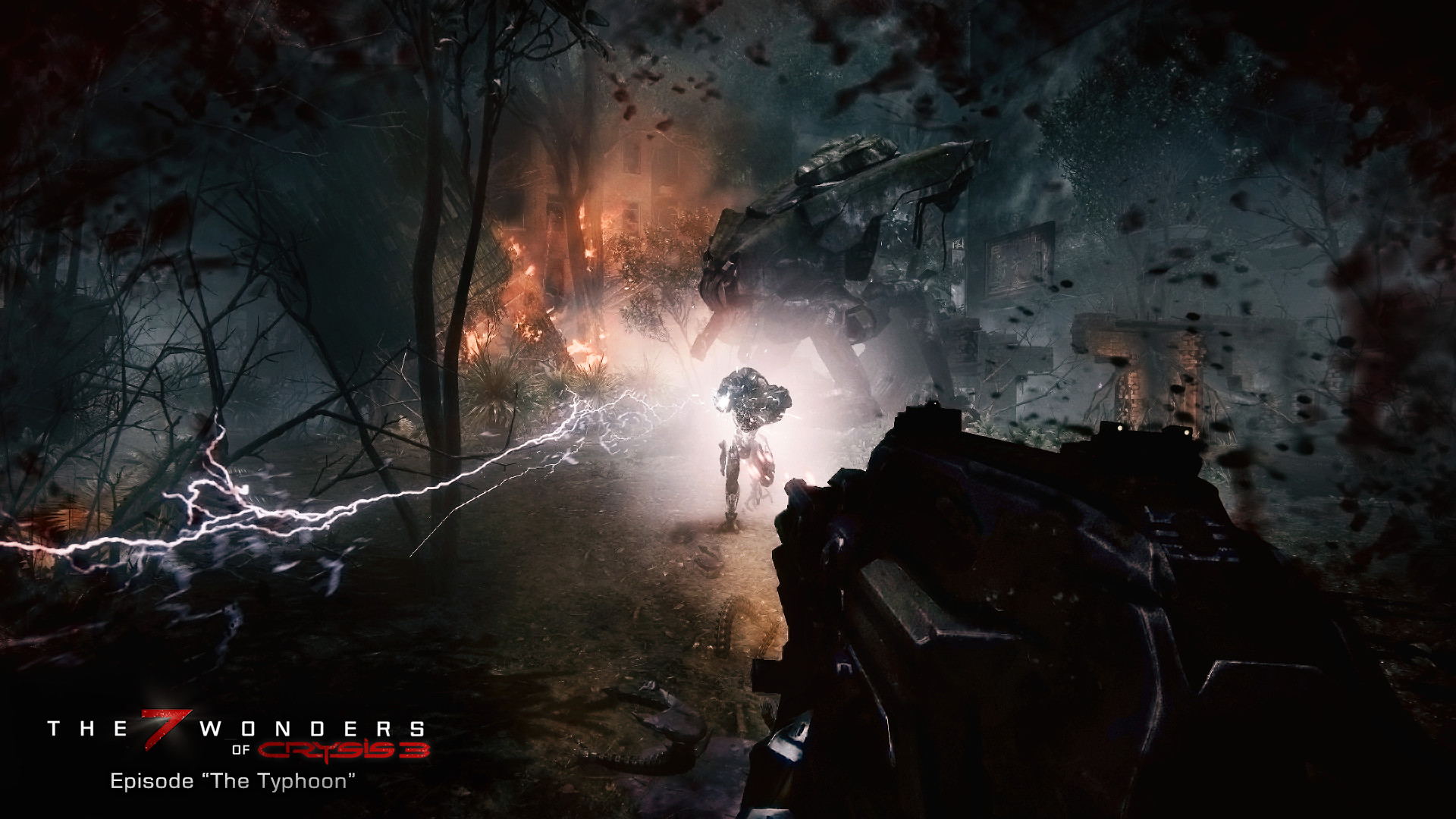
“Even though we were sick of it after Crysis 1, we missed the jungle”, admits Schaika. “So, we decided to merge the city with jungle in a way players hadn’t seen before”.
The ruinous environments also allowed for a bit of design skulduggery. “With Crysis 2, if you want to build a city you have to build a city road, you have to get the details right, otherwise it doesn’t look good”, says Deerberg. “With Crysis 3 if something urban didn’t look quite right, we could just put a few big bushes in, and everything was hidden! In a post-apocalyptic world, you have the freedom to do this”.
Ryse and fall
Crysis was always intended as a trilogy, so once it concluded in 2013 the team was ready to move on. With the studio’s ambitions to expand and self-publish, this was the most prolific period in Crytek’s history. At the same time as Crysis 3 was being made, free-to-play shooter Warface was being worked on at Crytek Kiev, while historical adventure Ryse: Son of Rome had been taken on by Microsoft as an Xbox One launch title.
Naturally, Microsoft wanted Ryse to be a visual spectacle that would show off the new console’s power, which of course Crytek had a reputation for. Development on the game shifted from a first-person Kinect motion game to a cinematic third-person action game. With much of the core Crytek team still working on Crysis 3, the Ryse team was mostly made up of new talent who had to get used to the new engine.
“The experienced core team finished the easy established IP while the Ryse team had a lot to deal with”, says Deerberg. “Fiddling with new hardware, constantly changing, having to hit the release date because it was a launch title”, he continues. “It was a tough time”.
(Image credit: Crytek)
Between 2006 and 2013, Crytek had acquired and founded eight new studios around the world, as well as multiplied the size of its staff in Frankfurt to work on Ryse. This shift in scale was felt by the core team. “When you grow really fast it’s kind of hard for everyone to row in the same direction”, says Schaika. “It was difficult to keep that ‘one big family’ feeling”.
More urgently, Crytek was unable to maintain its wide network of studios with their respective projects. In 2014, reports were emerging that employees at various Crytek studios - even Frankfurt - were going unpaid, and by the end of the year it had sold Crytek UK and the IP it was working on, Homefront: The Revolution, to Deep Silver.
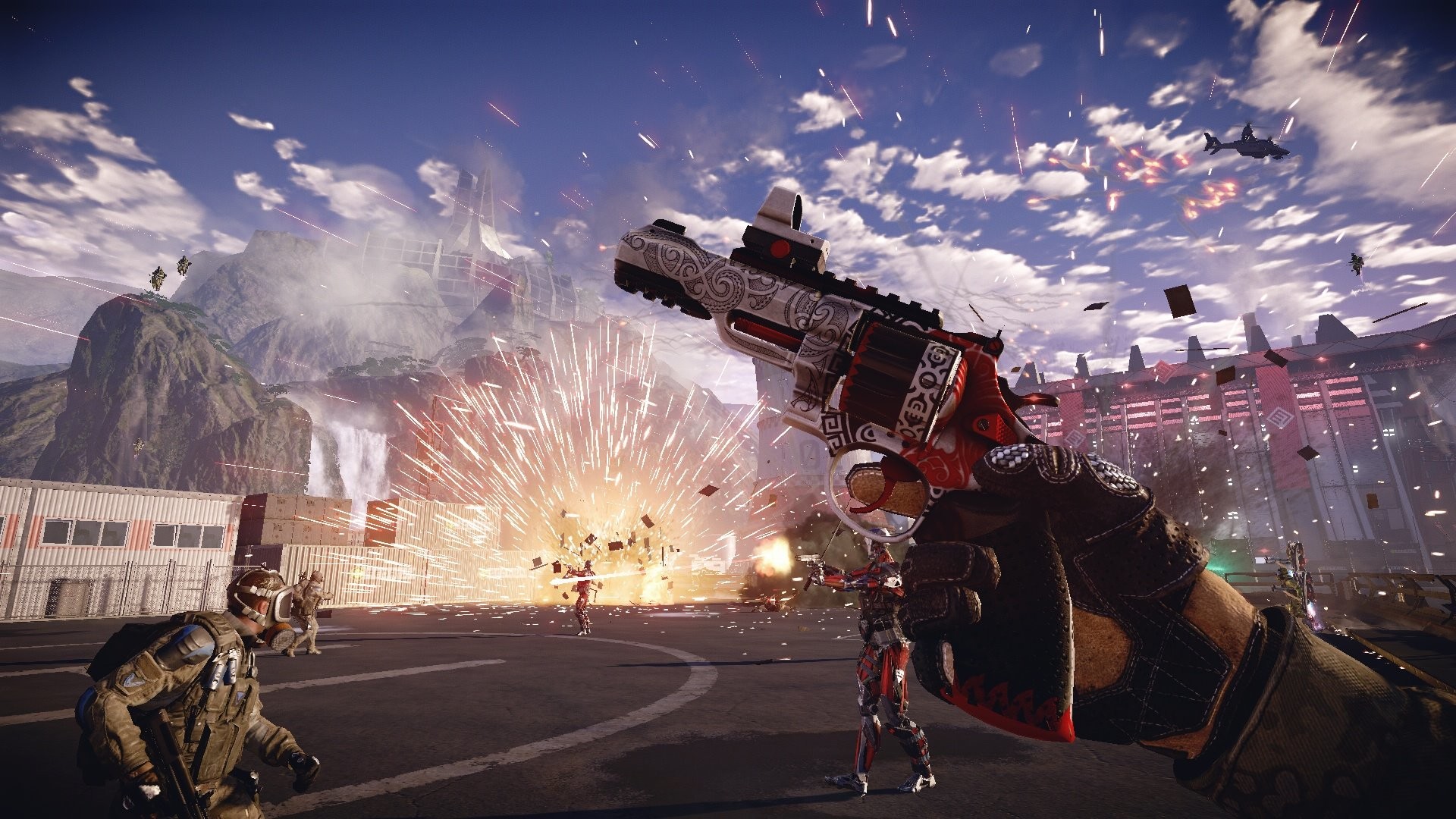
Crytek also downsized its US studio to focus on distributing CryEngine. Part of that involved bringing a certain game called Hunt: Horrors of the Gilded over from Crytek Austin to Frankfurt. By 2017, Crytek had closed or sold off six of its eight international subsidiaries.
The exact details of what went wrong remain unclear, with Crytek not divulging too many details over the years. We did, however, manage to speak with Crytek co-founder Avni Yerli about the impact of Crytek’s overexpansion and the lessons it learned going into the future.
“The impact was visible. Games didn't progress as expected, and frankly speaking we were not able to secure the financial foundation needed to drive this scale-up”, Yerli tells us. “The key learning from this is that we decided to change the strategy of the company to make Crytek more focused than it’s ever been before - to work on games to the strength of the talent at Crytek”.
Part of that strategy was to lay low and regroup. After releasing three games in 2013, Crytek wouldn’t release another PC or mainstream console game for another six years, in the meantime rethinking its strategy and closing most of its international subsidiaries.
“We didn’t want to communicate much to the market because at that point you can say whatever you want - you just have to deliver, then let the market appreciate what Crytek and the team has done”, says Yerli. “I can tell you I’m very proud of what the Cryteam has achieved since then”.
(Image credit: Crytek)
New horizons
Crytek’s next games would perhaps have come as a surprise given the studio’s history of glossy triple-A productions, but were an apt reflection of its new ‘focused’ philosophy. Virtual reality was an emerging technology, and Crytek became an early big-name champion for it. Among developers at Crytek, VR ignited that same excitement they felt when breaking new ground with Crysis nearly a decade earlier.
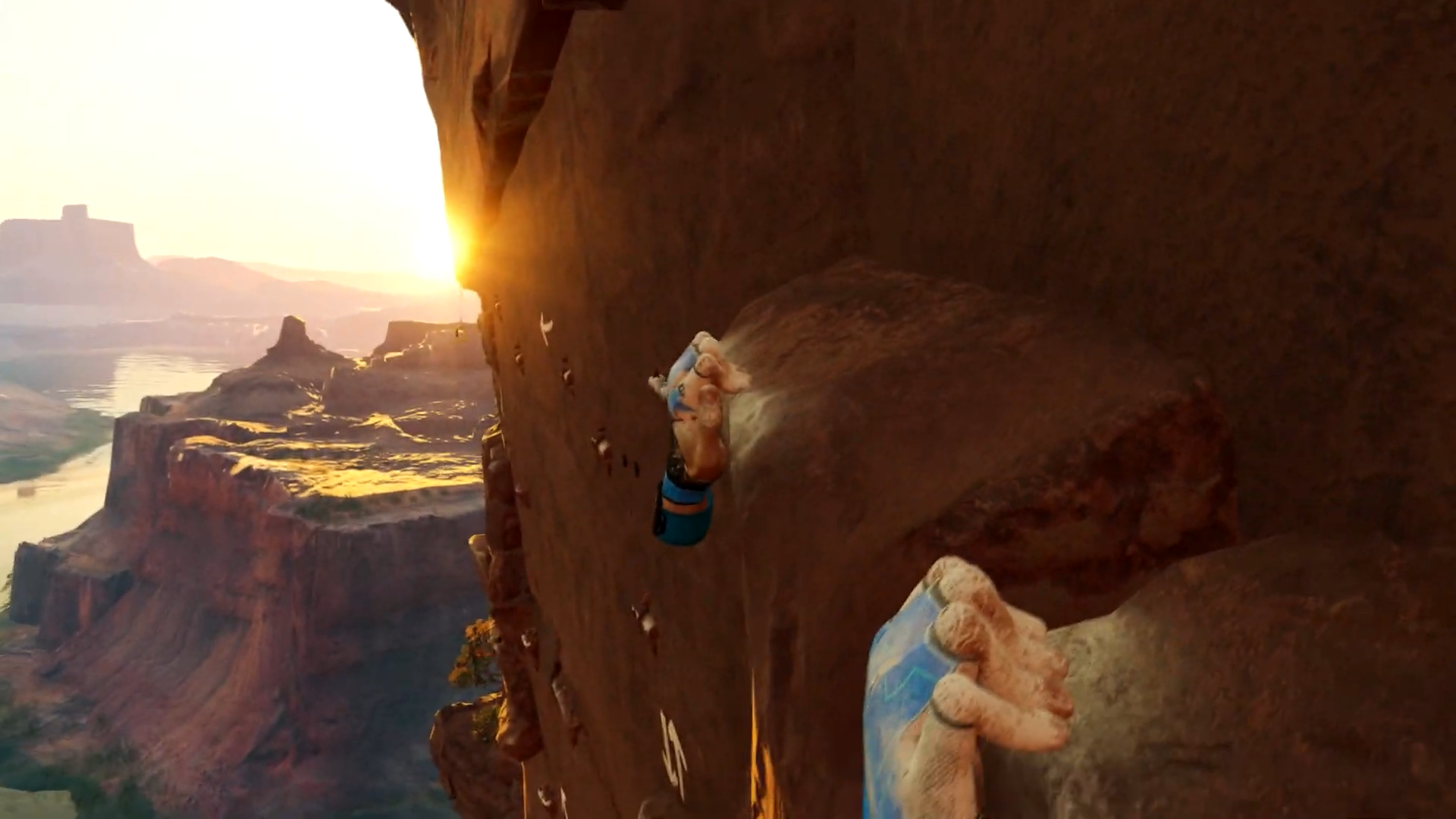
“There was so much to explore”, Schaika tells us. “It was such a new medium, like the first time someone ever handed you a game controller”. In 2016, Crytek released Robinson: The Journey, a VR adventure set on a dinosaur-populated island that seems suspiciously like a throwback to where it all began with X-Isle. The following year, Crytek released the free-climbing VR game The Climb - a perfect symbol for a company slowly getting back on the ascendancy.
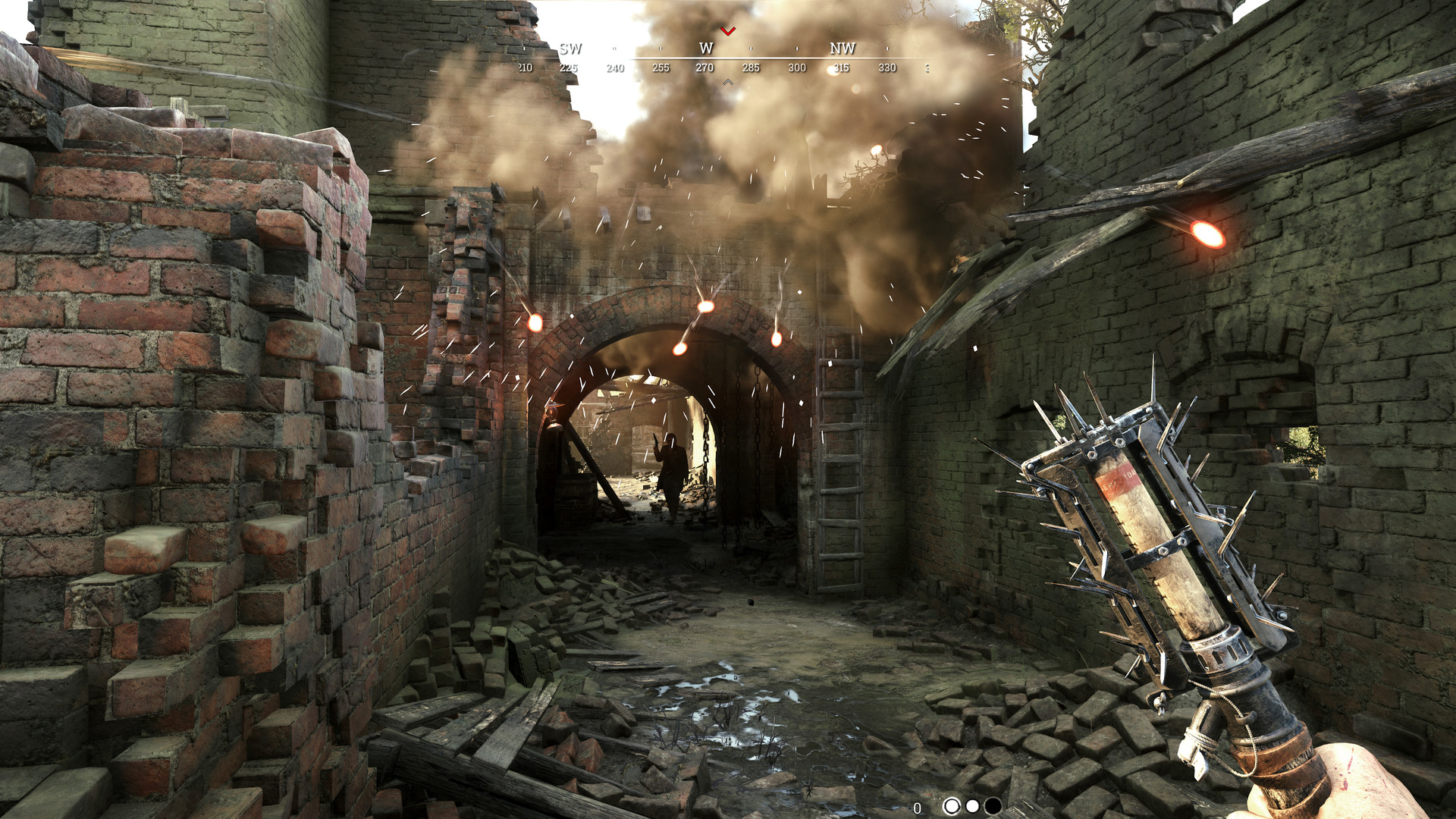
By this point, it had been four years since Crytek released a PC or console game, but behind the scenes it was working hard on its most atmospheric title yet. When Crytek took over work on Hunt: Horrors of the Gilded Age from Crytek Austin in 2014, it was a third-person co-op game set in the swamps of Louisiana, where players would fight redneck cultists before facing off against spectral witches and other monstrosities.
Hunt slowly morphed into a new beast, reeling the game back towards Crytek’s strengths in first-person shooters. “We wanted to push more for that horror aspect, which doesn’t work as well in third-person”, Schaika tells us. “It would be all about the player’s awareness”.
In some ways, the thinking behind Hunt resembled the original Far Cry - a game that didn’t empower the player from the off, and instead forced you to assess the environment before carefully proceeding into it. In moving forward with its new philosophy, Crytek was also returning to its roots.
Another inspiration was the ongoing success of Warface and the bonds it established between Crytek and its community. It was a big motivator in making another online service game. “We learned how to shape the game alongside the community, playing it over and over with them, and listening to their input on things like balancing weapons”, Schaika recalls. “That relationship with the community shaped the final product”.
(Image credit: Crytek)
Development on Hunt wasn’t always easy. At times, there were barely any people on the team due to ongoing VR projects. Around 2016 and 2017, Crytek was still in the midst of restructuring, and the small team was worried that it may even get cancelled. Schaika tells us that the boss’ reassurances were vital to keeping spirits up: “When the team was concerned, Avni came over and said ‘we still believe in this game. Just be patient’”.
That patience would pay off. The game was presented to the world at E3 2017 as ‘Hunt: Showdown’. The PvPvE horror shooter, with its unique late 19th century setting, enraptured the E3 audience, gathered momentum, and launched into Steam Early Access in February 2018. The brooding shooter became the standard-bearer for the new Crytek - distilled, distinct, and extremely focused.
Crucially, Hunt: Showdown finally separated Crytek from its historical image as a ‘graphics-first’ developer. Comparing Hunt to Crysis, Marcel tells me: “When I look at Hunt, I still think it looks pretty good, but we had to put a lot more effort into creating an interesting world and not just a good-looking world”. The young team that started out on Crysis all those years ago had come of age.
(Image credit: Crytek)
For a company that has in the past had offices all over the globe, and even looked into creating its own gaming platform at one point, it’s impressive how Crytek has managed to reel its scope back to its core values of making unique, entertaining games, while still achieving its ambition of self-publishing.
So what’s next for Crytek? Yerli says that the focus right now is Hunt: Showdown, but admits that the studio has “ambitious plans for another game”. When we spoke to him about Crytek’s cancelled 2008 game Redemption, a post-apocalyptic adventure about a father and daughter that eerily foreshadowed The Last of Us, we asked whether he still harboured that desire for Crytek to move more into narrative-driven games. “I don’t want to spoil too much, but I think we will not disappear from this area, put it that way”, he told us.
Schaika and Deerberg, meanwhile, are knee-deep in the swampy waters of maintaining and developing Hunt: Showdown, with the game having recently released its long-awaited third map. “When you make a new map, you’re always super-critical about your own work and it’s scary as hell to press that button on Steam”, admits Schaika. “So much work goes into it and you’re always in doubt, but when you get that positive feedback it’s the nicest reward for developers”.
Deerberg, meanwhile, wants Crytek to continue its exploration of new ideas and technologies. “I want Crytek to keep doing what it’s doing now - always come up with new stuff and not just repeat the same IP until it’s dead and falling off the horse”, he says. “Try new stuff and go for new horizons”.
Welcome toTechRadar’s PC Gaming Week 2021, our celebration of the greatest gaming platform on Earth. Despite the global pandemic and ongoing GPU shortages, PC gaming has never been more vibrant and exciting, and throughout the week we’ll be reflecting this with a selection of in-depth articles, interviews and essential buying guides.
from TechRadar - All the latest technology news https://ift.tt/3jqh9CP
Here's an iPhone 13 rumor we haven't heard before: the next round of Apple handsets are being tipped to come with support for low-...
Here's an iPhone 13 rumor we haven't heard before: the next round of Apple handsets are being tipped to come with support for low-earth-orbit (LEO) satellite communications. In other words, you'll be able to call and text even when you don't have a cell signal.
Well, technically speaking we have heard it before – back in December 2019 – but this is the first time the feature has been mentioned in relation to the iPhone 13. It comes from the very credible Apple analyst Ming-Chi Kuo too (via MacRumors).
According to Kuo, the iPhone 13 models will be fitted with a modified Qualcomm X60 baseband modem chip, enabling a satellite communications mode. Texts and calls could then be routed over satellite networks rather than 4G or 5G.
Kuo goes on to say that the same satellite network technology might eventually be adopted in other Apple products – such as the Apple Car or the Apple AR Glasses, two unconfirmed projects that have so far yet to be officially confirmed.
For now though the details remain unclear. Whether or not this will be a free add-on or whether you'll have to pay extra for satellite connectivity remains to be seen, and it sounds like something Apple might decide to add as a premium perk.
There's another question around how many apps will be able to use the satellite communications mode: will it be restricted to Apple apps such as FaceTime and iMessage? The iPhone 13 is due to launch in September, so we shouldn't have to wait long to find out.
Analysis: Apple looks to the stars
(Image credit: TechRadar)
Way back in 2017 there was talk that two ex-Google execs had joined a new, top secret Apple hardware team – and that the mission was to build out a network of satellites for Apple's hardware devices. Now it looks as though that mission might soon be revealed.
However, as per the investor note seen by MacRumors, Apple will use the existing network put together by satellite communications company Globalstar, rather than something that's brand new. Other phone manufacturers could soon strike similar partnerships to follow Apple's lead, according to Kuo.
While satellite networks can't offer the kind of speeds and low latency that Wi-Fi, 4G or 5G can, they're certainly fast and reliable enough for backup purposes – when cellular networks are down for whatever reason, or users are in an area with no coverage.
What's going to be interesting is how Apple packages and sells this, and what sort of features are available. If 2021 was a breakthrough year for 5G, then 2022 could be the year that satellite communications technology starts to go mainstream.
You may know it better as the BinckBank Tour or the Eneco Tour, but - 16 years after its conception - the seven-stage cycling race across the Netherlands and Belgium has broken free from the shackles of its sponsors and reinvented itself as the Benelux Tour. There's plenty of stars out in force, so join us for a spin as we explain how to get a 2021 Benelux Tour live stream and watch UCI WorldTour cycling online from anywhere. We also have info on this year's Benelux Tour stage times.
Benelux Tour live stream 2021
Dates: Monday, August 30 - Sunday, September 2 (stage times below)
Mathieu van der Poel (Alpecin-Fenix) and Tom Dumoulin (Jumbo-Visma) are the biggest names in contention. The former won last year's shortened edition of the race, but there are doubts surrounding the fitness of the defending champion, who's been struggling with back issues. So, barring a remarkable recovery from the Dutchman, the stage is set for a new champion to be crowned.
And with the riders looking to get a strong performance in their legs ahead of the UCI Road World Championships in a few weeks' time, there should be no shortage of tussles at the front of the pack.
Read on for everything you need to know to watch a 2021 Benelux Tour live stream from anywhere.
How to watch a FREE Benelux Tour live stream online
It's possible to watch a FREE Benelux Tour live stream, with the sports network Sporza showing the race for zilch in cycling-mad Belgium. So if you're lucky enough to be based in the Kingdom, you don't need to pay a cent to tune in!
And if you're from Belgium but you're abroad right now, don't worry about missing out on that free coverage - all you need to do is download a VPN to re-connect to your home streaming coverage.
How to watch Benelux Tour 2021 from outside your country
If you're keen to watch the Benelux Tour but you're away from home and the coverage is geo-blocked, then you could always use a VPN to access it (assuming you're not breaching any broadcaster T&Cs, of course). You may be surprised how simple it is to do.
Use a VPN to get a Tour de Pologne live stream from anywhere
ExpressVPN is the world's top VPN right now We've tested dozens of VPNs and think ExpressVPN is quite simply the best. Quick, secure, and intuitive to use, Express will have you streaming the latest blockbuster movies and binge-worthy TV in no time. Plus, its supported by dozens of devices, including Smart TVs, Fire TV Stick, PC, Mac, iPhone, Android phone, iPads, tablets, and many more.
You can try it for free now with a 30-day money-back guarantee. Better yet, if you decide to subscribe to ExpressVPN and opt for their annual plan, you'll get 49% off the usual price as well as 3-months extra FREE – pretty amazing value really.
Once you have it, all you need to do is turn on your VPN, select a server location back in your country, and then go to the broadcaster's website/app and watch as if you were back at home.
2021 Benelux Tour schedule and start times
Stage 1 - Monday, August 30 at 3.30pm CEST, 2.30pm BST, 9.30am ET
Stage 2 (ITT) - Tuesday, August 31 at 1.35pm CEST, 12.35pm BST, 7.35am ET
Stage 3 - Wednesday, September 1 at 1.35pm CEST, 12.35pm BST, 7.35am ET
Stage 4 - Thursday, September 2 at 1.35pm CEST, 12.35pm BST, 7.35am ET
Stage 5 - Friday, September 3 at 1.35pm CEST, 12.35pm BST, 7.35am ET
Stage 6 - Saturday, September 4 at 2pm CEST, 1pm BST, 8am ET
Stage 7 - Sunday, September 5 at 4pm CEST, 3pm BST, 10am ET
How to watch Benelux Tour: live stream cycling in the UK
Cycling fans based in the UK are spoilt for choice, with the Benelux Tour set to be shown by Eurosport, GCN+, and Discovery+. Start times vary, but most of the action takes place in the early afternoon - you can find the Benelux Tour schedule above.
A subscription to Eurosport costs £6.99 per month or £39.99 for a whole year.
A subscription to the GCN+ streaming service also costs £6.99 per month or £39.99 per year, and it works across a range of devices including Chromecast, Apple AirPlay, and smart TVs.
Discovery+ also has you covered for live Benelux Tour coverage, with a subscription to its Entertainment and Sport package costing £6.99 per month or £59.99 per year.
If you’re out of the UK but still want to tune in, make sure you install a VPN so you can continue accessing UK streaming services from anywhere.
How to watch Benelux Tour 2021: US cycling live stream details
US-based cycling fans can live stream the Benelux Tour with a GCN+ subscription, which costs $8.99 per month or $49.99 annually.
Start times vary, but you'll need to prepare for some early starts, as most stages begin at around 7.30am ET / 4.30am PT. You can find the schedule higher up the page.
And if you're currently out of the US but want to watch the race, then don't forget to explore the VPN route set out above.
How to watch Benelux Tour 2021: live stream cycling in Australia
You can tune into the Benelux Tour Down Under with a GCN+ subscription, which costs $12.99 per month or $64.99 annually.
Start times vary, but most of the stages get underway at around 9.30pm AEST. You can find the schedule above.
If you're not currently in Oz, you can download a VPN to tune into your home coverage of the race from anywhere.
How to watch the 2021 Benelux Tour: live stream cycling in Canada
You know the score by now. Canadians can also tune into the Benelux Tour live via GCN+, which costs $11.99 per month or $59.99 annually.
Start times vary, but be prepared for some early starts, as most of the stages begin at around 7.30am ET / 4.30am PT. You can find the Benelux Tour schedule nearer the top of this article.
Not in Canada to catch that GCN+ stream? Well you know the answer by now... using a VPN is the way to make sure you don't miss a moment.
How to watch 2021 Benelux Tour: live stream cycling in New Zealand
New Zealanders can watch the Benelux Tour on Sky Sport, which is available as part of a range of pay TV packages.
However, seeing as most of the action takes place in the early hours of the morning, be prepared to lose some sleep.
Sky Sport subscribers can also live stream the action via the Sky Go service, while cord-cutters and anyone else can try the Sky Sport Now streaming-only platform - where a weekly pass costs just $19.99.
Anyone in New Zealand from abroad or vice-versa can use the VPN route outlined earlier to access their preferred coverage just like they would at home.
from TechRadar - All the latest technology news https://ift.tt/3Dw3wdB














Follow Us
Were this world an endless plain, and by sailing eastward we could for ever reach new distances