via TechRadar - All the latest technology news https://ift.tt/3rI2RQJ
With the next Samsung Unpacked event of 2021 scheduled for August 11, we're just around the corner from learning all about the new tech Samsung is hiding up its sleeves.
We're expecting loads of new devices, with four gadgets likely according to leaks, rumors and also teases from Samsung itself. There are also a few new things some fans are hoping for, but that likely won't show up - we've listed them below as well.
One thing we're certain isn't showing up is the Samsung Galaxy Note 21, which the company has already confirmed has been canceled.
Visit TechRadar on August 11 for coverage of all the new gadgets that do show up, as well as analysis and commentary on this suite of devices.
Samsung has confirmed there will be foldable phones at its August 11 event, and the Galaxy Z Fold 3 is one we're expecting to see. This is Samsung's third-generation book-style folding device, which might also act as a Galaxy Note replacement.
We're expecting a handset with three rear cameras, a 7.5-inch 120Hz main screen (for when the device is opened up), a smaller battery than the Galaxy Z Fold 2, and compatibility with Samsung's S Pen stylus - with one possibly coming bundled with the smartphone.
The odds on this phone coming are pretty high, since the Z Fold 2 debuted at Samsung's similarly timed event in 2020, and loads of leaks are pointing to the device being on the way.
Reserve your new handset at Samsung.com
If you're in the US and you want to be the first to get your hands on the new Galaxy phone, reservations are already open. It's not an obligation to buy it, but it gives you the option if you wanted to be first in line and offers trade-in credit and other extras too.
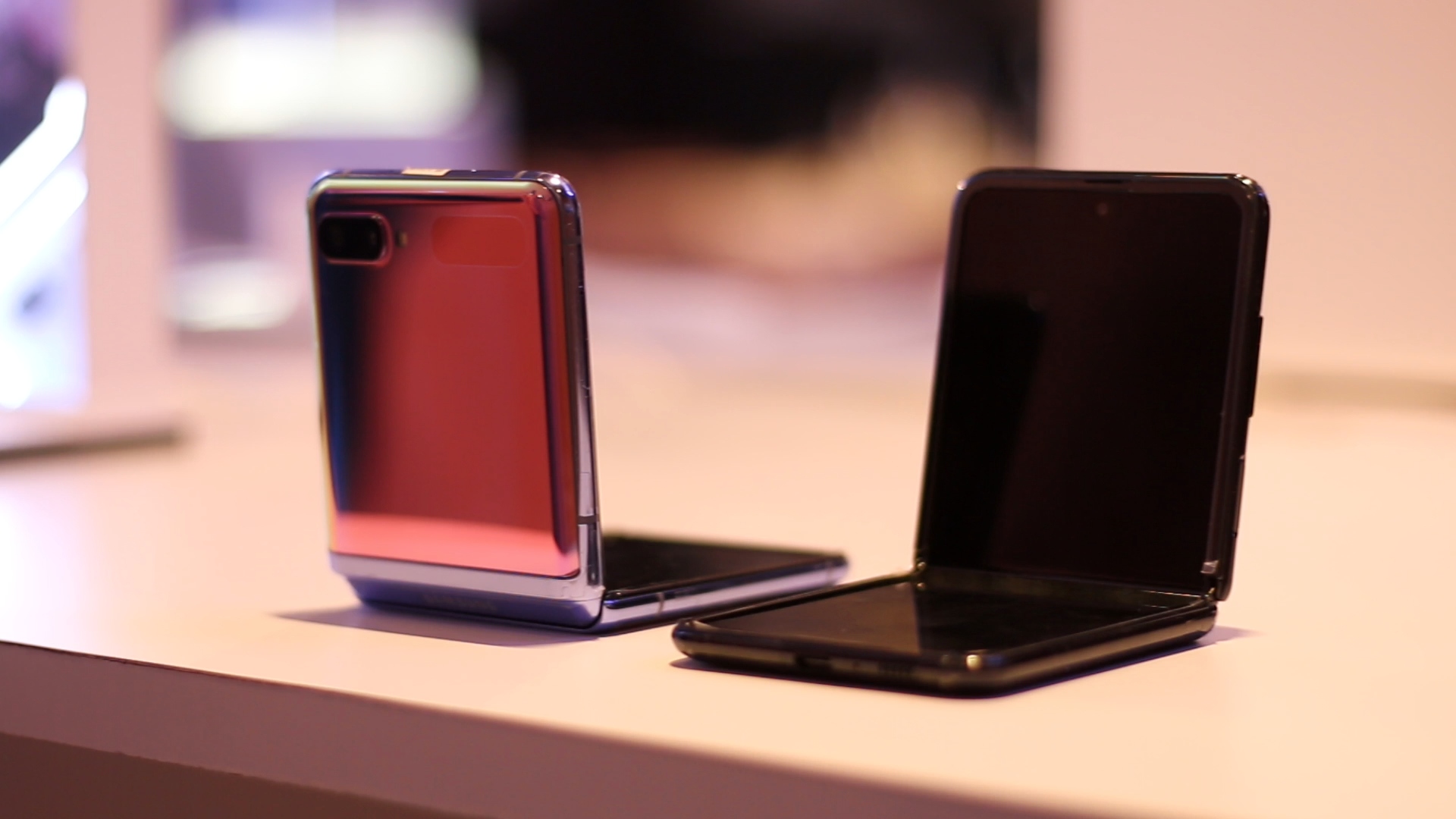
Another foldable phone that could come alongside, or instead of, the Z Fold 3 is the Samsung Galaxy Z Flip 3 - there wasn't actually a Z Flip 2, not unless you count the Z Flip 5G (and we don't). This is set to be a small-body 'clamshell' style foldable phone, similar to the original Galaxy Z Flip.
According to leaks, the Galaxy Z Flip 3 could have a 6.7-inch screen when unfolded, with a smaller information panel on the front of the device when it's folded up, a bigger battery than the original Flip, and perhaps up to three rear cameras, though this sounds unlikely.
There have been a good few Galaxy Z Flip 3 leaks, but we're still struggling to get a clear picture of the folding device, so our eyes will be peeled during the event to get a better picture as to how it could look and function.
Samsung's smartwatch game may be a little confusing - we were expecting the Galaxy Watch 4 and Watch Active 4, but leaks suggest there will actually be the Watch 4 and Watch 4 Classic, with the 'Classic' replacing the standard watch and the 'Active' name being dropped from the sporty version.
In any case, we're expecting two different smartwatches, both running Google's brand-new Wear OS 3 software. Leaks suggest different sizes for both, ranging between 40mm and 46mm, with perhaps three side buttons and a brand-new Exynos chipset.
It's hard to know for sure though, both with the naming confusion, and the myriad contradictory leaks we've seen. More so than the other devices on this list, we'd recommend watching the Samsung stream with an open mind and no expectations.
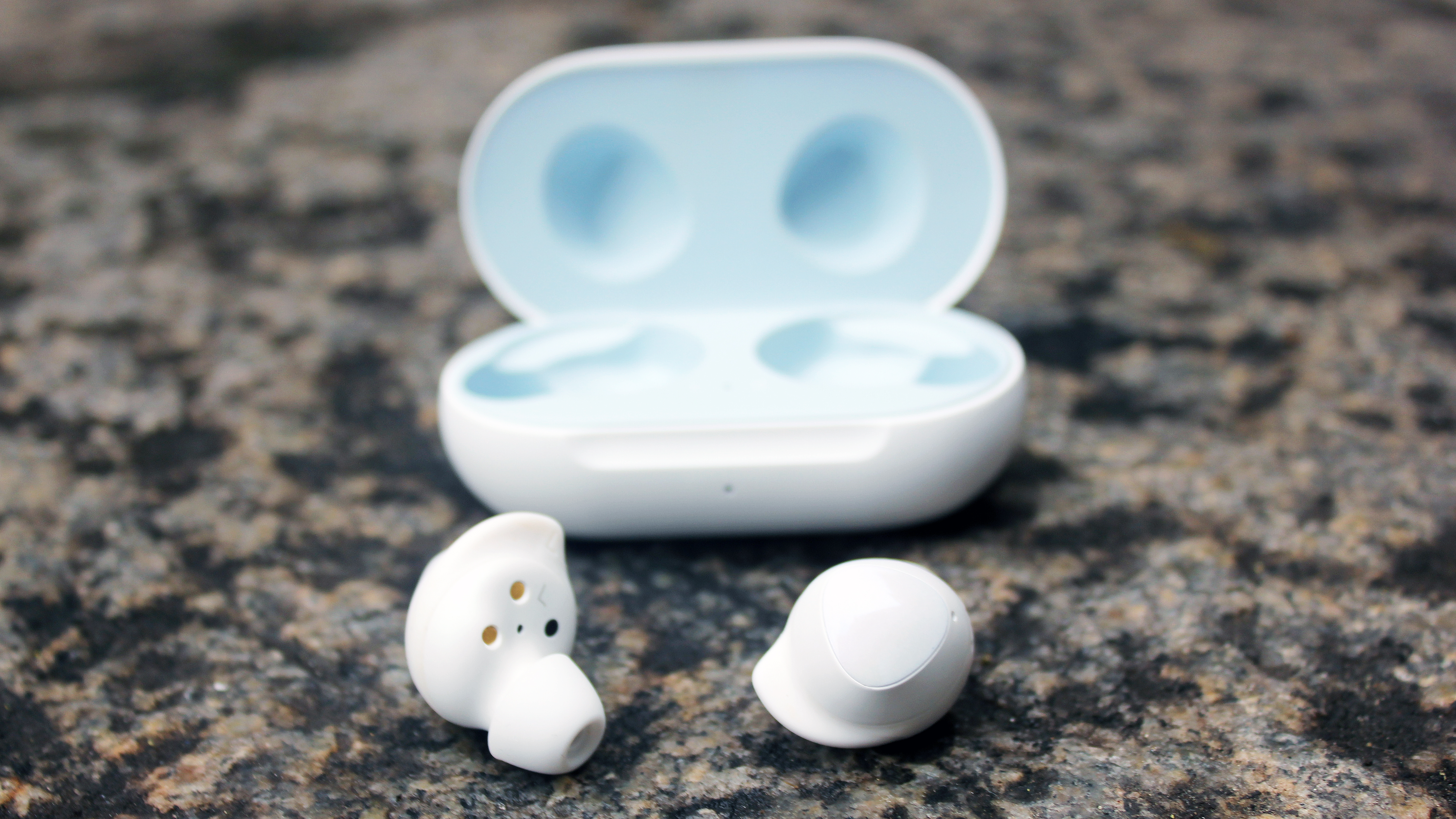
We're expecting the newest version of Samsung's true wireless earbuds at the event, apparently called the Galaxy Buds 2 (though they're actually the third new hearables since the original Galaxy Buds, with the Buds Pro and Buds Live coming out more recently).
According to rumors, the Buds 2 could have a similar design to the original Galaxy Buds, but with more color options; they're said to tout improved sound quality from their predecessor but perhaps the same noise cancelation tech.
Leaks suggest the Buds 2 will launch at the August event, though Samsung hasn't teased them as it has its foldable phones. However the Buds Live launched at Unpacked in mid-2020 so the timing lines up.
Like the Note 21, it seems the Samsung Galaxy S21 FE has possibly been canceled, and even if not it's very likely to be delayed. We say this because, though there are quite a few leaks about the phone, recent leaks suggest it won't appear in August.
The S21 FE will apparently have similar specs to the Galaxy S21, including the Snapdragon 888 chipset, three rear cameras and a similar amount of RAM. We're also expecting a 6.4-inch screen, a 4,500mAh battery and 45W wired charging.
While the Galaxy S21 FE might not show up at Unpacked, it might come in the following months, with an October launch date rumored. It probably won't get a dedicated launch event though, as the Samsung Galaxy S20 FE didn't.
While the Samsung Galaxy Tab S7 was launched at the late 2020 Samsung Unpacked event, the Galaxy Tab S8 is said to be delayed, something the relatively-recent launch of the Tab S7 FE backs up.
We're expecting a Galaxy Tab S8 Plus and Ultra as well as the standard device, with screens of 11, 12.4 and 14.6 inches, which would make the Ultra pretty huge. The super-spec Ultra has been leaked most and is said to have a 12,000mAh battery, Snapdragon 888 chipset, multiple rear cameras and a 120Hz screen refresh rate.
Most recent leaks suggest the Tab S8 line will launch alongside the Galaxy S22 range in early 2022, and with all the tech already slated to appear at Unpacked on August 11, we seriously wouldn't expect three tablets to be in attendance too.
Most decision makers in IT management are having to spin so many plates, all at the same time, that there’s always a danger one of them will eventually fall to the floor and smash.
Peter Mackenzie, incident response manager, Sophos.
The problem is, just because you’ve attended to a cyber security issue, or decided that it’s not relevant for your business, that doesn’t mean you can forget all about it. With the increasing sophistication and determination of attackers, and the type of threats evolving all the time, you can’t afford to drop your guard with any aspect of security, even for a moment.
While maintaining IT security is an increasingly challenging task, a good place to start is to avoid a number of common misperceptions, all of which were encountered within a wide range of organizations when investigating and neutralizing attacks over the past year.
It's easy to think attackers might be targeting bigger fish than your organization. Or that you’re in a low-interest sector and simply don’t have any assets likely to attract the attention of a passing cybercriminal. But our experience tells us otherwise. If you have processing power and a digital presence, you are a potential target.
It’s worth remembering that even though hackers from North Korea and Russia make the headlines, most attacks are not carried out by nation states but opportunists looking for easy prey. So, whatever size your business, if you have any weaknesses in your defenses, such as security gaps, errors or misconfigurations, then you could easily be next.
Some IT teams still believe that endpoint security software is enough to thwart all threats, and that they subsequently don’t need security for their servers. Big mistake. Unlike in the past, any errors in configuration, patching or protection make servers a primary target.
The list of attack techniques designed to bypass or disable endpoint software include those operated by humans which exploit social engineering, malicious code injected directly into memory, ‘fileless’ malware attacks such as reflective DLL (Dynamic Link Library), and attacks using legitimate remote access agents like Cobalt Strike, alongside everyday IT admin tools. Unfortunately, basic anti-virus technologies will struggle to detect and block such threats.
Even the assumption that protected endpoints can prevent intruders from making their way to unprotected servers is misguided. Recent experience tells us servers are now a prime target and attackers can easily find their way in using stolen access credentials.
Most contemporary cyber criminals have a strong understanding of Linux machines. In fact, attackers can hack into and install back doors in Linux machines to hide and maintain access to your network. If your organization only relies on basic security, intruders won’t find it too difficult to bypass your defenses in this way.
Yes, having security policies for applications and users is critical. But once you’ve got them in place, that’s not the end of the matter. These policies need to be checked and updated constantly as new features and functionality are added to devices connected to the network, and the strategies of cyber attackers become increasingly more sophisticated.
Your organization needs to test its cyber security policies regularly, using techniques such as penetration testing, tabletop exercises and trial runs of your disaster recovery plans to ensure your defenses are as robust as you would like to believe.
According to Sophos’ State of Ransomware 2021, 22 per cent of organizations believe they’ll be hit by ransomware in the next 12 months as it’s hard to stop their end users from compromising security. Training helps but messages learned can soon be forgotten.
Besides, social engineering tactics like phishing emails are becoming increasingly hard to spot. Messages are often hand-crafted, accurately written, persuasive, and carefully targeted.
Cyber criminals are constantly finding new ways to catch end users unaware. As they step up their efforts, you need to increase yours too. Educate your employees on ways to spot suspicious messages and what to do when they receive one. Make sure they have the contact details of the right person in your team to notify, and that they do it immediately so other employees can be alerted.
Unfortunately, your confidence in the response team’s powers of recovery is misguided. Attackers today are more ‘professional’ than ever. They make fewer mistakes and the encryption process has improved, so you can no longer rely on your responders to find a way to undo the damage.
Automatic backups like Windows Volume Shadow Copies are also deleted by most modern ransomware. As well as overwriting the original data stored on disk, this makes recovery impossible if you aren’t prepared to pay the ransom. And, even then, only 8 per cent of organizations that pay the ransom successfully retrieve all their data.
As you will have gathered by now, IT decision makers and complacency do not go well together. Too many organizations who believed it could never happen to them are now counting the cost after it has happened.
Instead of sitting back and assuming everything’s going to be OK, you need to take full control of your business affairs before somebody else does.

The Samsung Galaxy Z Flip 3 could be Samsung's next foldable phone, and a launch would now seem to be imminent - the Galaxy S21 launch on January 14 didn't bring with it any foldables, but Samsung's flagships have now had some time in the spotlight, so we're due another device.
It's over a year since we saw the launch of the Samsung Galaxy Z Flip, which is another indicator that it might not be too long before the successor comes. That was the company's first 'clamshell' style folding device, and this is set to be the second.
So why doesn't this article concern the Samsung Galaxy Z Flip 2? Well, we've heard it's not going to be called that, and we'll explain more in a section below.
What, then, do we know about the Samsung Galaxy Z Flip 3? More and more rumors and leaks are coming in all the time. Before the grand Samsung Galaxy Z Flip 3 reveal, we've listed everything we know about it below, including details on its confusing name.
It looks very likely that the Samsung Galaxy Z Flip 3 will support 25W charging. Plus, August 11 is confirmed for the next Samsung Unpacked, and it's likely we'll be hearing about the next-gen Galaxy Z Flip phone during that launch.

While a leaked Samsung launch roadmap running up to late August didn't mention the Z Flip 3, we've since heard that it might well arrive in August. Samsung has an event scheduled for August 11, so we're thinking we may see it land there.
That would make sense with the Samsung Galaxy Note 21 likely canceled, a phone that normally launches during that month. We've heard from multiple sources that the Galaxy Z Flip 3 is coming soon, so we expect to hear about it on August 11.
Regarding price, we'll may see a similar cost to the original Galaxy Z Flip, which sold for $1,380 / £1,300 / AU$1,800. That said, one source suggests it will be significantly cheaper than the Galaxy Z Flip 5G, which launched for the $1,449 / £1,399 / AU$2,599, which could mean it's also cheaper than the original Z Flip. Another rumor suggests the US price will be $1,400 (around £1,010 / AU$1,865).
Yet another price rumor puts it at $1,249 (around £900 / AU$1,650), which would make for a significant reduction if true.
The latest price leak meanwhile suggests a price of around $1,045 / £755 / AU$1,400, which would make for an even more tempting price. While there's some disagreement so far on the exact price then, a lower one than its predecessor looks likely.

Naturally, you'd expect the successor to the Samsung Galaxy Z Flip would be the Galaxy Z Flip 2... right?
In practice that might not be right, as we've heard the next phone could be the Galaxy Z Flip 3. This comes from Dutch website GalaxyClub, which has a mixed record on providing accurate information.
It seems the reasoning for the naming change is because the 5G equivalent of the Galaxy Z Flip was technically the 'Flip 2', so this new version is the 'Flip 3'.
In addition, GalaxyClub states the company is doing it to bring the Flip line on par with the numbers of the Fold line, with the Galaxy Z Fold 3 the next release there.
More recently, LetsGoDigital has echoed these claims, saying that it's heard from "several reliable sources" that the phone will be called the Samsung Galaxy Z Flip 3.
That said, sometimes many pre-launch rumors and leaks say the same thing and we take it for granted, until the launch comes and proves us wrong. It's very possible this will happen with the new Galaxy Z Flip model (as indeed it did with the Samsung Galaxy S21, which many people thought would be the Galaxy S30).
We'll have to wait until the next foldable phone comes out to know for sure.
We might have had our first proper look at the Samsung Galaxy Z Flip 3 courtesy of some leaked marketing material, some of which you can see below.
The images and accompanying information reveal a new two-tone design (apparently in dark green, light violet, beige, grey, black, pink, dark blue and white shades), along with a much larger secondary screen than on its predecessor.
Those colors have also been mentioned previously, so they're likely accurate. They've also appeared in a batch of renders leaked by GizNext, which gave some of the first potential looks at the Z Flip 3, reaffirming the two-toned look.
But other leaks have actually shown alleged photos of the phones themselves:


Some Samsung Galaxy Z Flip 3 renders are also out in the open, and you might have seen them, but don't be fooled - they're not official. Instead, they were made by LetsGoDigital based on specs and image leaks, to try and get a clear picture of what the foldable phone could look like.
Samsung Z Flip 3 with Galaxy S21 camera design👀https://ift.tt/35xTZTZ you Tron @FrontTron for the tip!#Samsung #GalaxyZFlip3 #SamsungZFlip3 pic.twitter.com/myHbOQwHJIJanuary 8, 2021
That said, a more recent leak does appear more official. It takes the form of some 360-degree GIFs that show the Galaxy Z Flip 3 from a range of angles, both open and closed, and you can see one of them below.
This comes from a reputable source too, and was shared in mid-July - fairly close to when we're expecting the phone to launch, all of which suggests it's probably accurate, especially as it matches what we've seen before.
pic.twitter.com/xzMz26zY06July 10, 2021
Another Samsung Galaxy Z Flip 2 leak - that's what the leaker called it - suggested it'll have a 3-inch screen on the outside of the device, and a 6.7-inch one when opened up. While the main screen is the same size as that on the original Flip, that phone only had a 1.1-inch cover screen, so we could see a big improvement in that department.
That leak, and several others, also says the Z Flip 2 will have a bigger battery than the 3,300mAh one in the original Flip. There are no bets on the new size though. But we do know is that it will probably support 25W charging, as a certification listing suggests as much. That's up from 15W on its predecessor.
It sounds like the Samsung Galaxy Z Flip 3 could work with Samsung's S Pen. This comes from a trademark filing that hints at compatibility with the mobile stylus. It's not clear if the phone will be designed around this functionality, like a Galaxy Note phone, or simply be compatible with the stick, like the Galaxy S21 Ultra.
According to one leak, the next Galaxy Z Flip will have a redesigned hinge, and improved display material, to its predecessor. These are the two main components of a foldable phone, so it seems Samsung is aiming for a more durable device.
Backing up that idea of durability is the news that Samsung has registered the trademark 'Armor Frame'. The filing doesn't go into much detail, but it's possible that the Z Flip 3 could come with a much stronger material around the edges.
The Samsung Galaxy Z Flip 3 might be better able to resist the elements too, as sources suggest it will have an IP rating, meaning some amount of water and dust resistance, though they didn't know how much.
We've also heard that along with the Galaxy Z Fold 3, the Samsung Galaxy Z Flip 3 might have the strongest screen of any foldable phone this year - though the cameras will apparently be similar to the Galaxy Z Fold 2 (which had a 12MP triple-lens camera), and may therefore disappoint.
That's in line with another leak, suggesting that the Galaxy Z Flip 3 might have a triple-lens camera, smaller bezels, and come in black, beige, green and purple colors.
As for power, a benchmark points to a Snapdragon 888 chipset (the same as you'll find in the Galaxy S21 range in some regions) and 8GB of RAM, so this should be a powerful phone.
Elsewhere, we've heard that the Samsung Galaxy Z Flip 3 could come in 128GB and 256GB storage sizes, as well as running Android 11. 128GB is less than the Galaxy Z Flip comes with, which could mean a lower starting price.
Indeed, we have also heard rumors of a Samsung Galaxy Z Flip Lite, and it's possible this affordable foldable phone actually is the Z Flip 2 or 3, with the next phone designed to hit a lower price point than the one we've currently got. Though another source claims that both the Z Flip 3 and Z Flip 3 Lite are on the way.
The Samsung Galaxy Z Flip 3 is expected to land on August 11, and yet there’s still a lot that we’re not sure about yet, but one thing that we are now fairly confident of is the phone’s charging speed.
As spotted by MySmartPrice, China’s 3C certification agency has listed a model number (SM-F7110) that’s been associated with the phone as supporting both a 15W and a 25W charger.
It’s not clear which if either of those will ship with the Samsung Galaxy Z Flip 3 (after all, the Samsung Galaxy S21 range doesn’t ship with a charger), but that almost confirms that the Z Flip 3 supports 25W charging anyway.
We’d still take this with a slight pinch of salt, but this listing is for an official Chinese certification that phones receive before launching in the country, so the included data should be accurate. Plus, with the Samsung Galaxy S21 range supporting 25W charging we’d think it’s likely that the Galaxy Z Flip 3 would too.
That said, this would be an upgrade on the 15W charging offered by the original Samsung Galaxy Z Flip and the Z Flip 5G, and it’s also at odds with an earlier leak pointing to 15W charging, so there’s still a chance you’ll be stuck with slower speeds.

While moving from 15W to 25W might sound promising, the fact is that’s still very slow compared to what some phones offer. The OnePlus 9 for example supports 65W charging, while the Xiaomi Mi 10 Ultra goes all the way up to 120W, and Xiaomi might launch a 200W phone next year.
The Samsung Galaxy Z Flip 3 is sure to be an expensive phone, likely topping most conventional flagships for price, so a faster charging battery would be appreciated. Though in fairness Samsung is expected to sacrifice some tech to keep the cost lower than the likes of the Samsung Galaxy Z Fold 3.
Still though, we’ve reached the point where 25W can almost be considered slow, with even mid-range phones often hitting at least 30W, and the relatively affordable OnePlus Nord 2 managing 65W.
There are potential downsides to fast charging, as it can potentially wear a battery out faster, but Xiaomi claims that its 200W charging tech doesn’t have this issue, so with all its money Samsung should also be able to solve this problem.
Via GSMArena
Snapchat has been the latest service to suffer from a mass outage, with well over 100,000 users self-reporting issues over the website Downdetector, seemingly unable to login and either share or create content on the platform (via The Verge).
Problems apparently began on July 28, with Snapchat acknowledging that "we're aware of an issue with the latest version of Snapchat available in the App Store," while stating that a fix was incoming. The outage appears to be somewhat US-heavy, though TechRadar staffers in the UK have also been affected.
Users in droves started reporting issues the day after, likely once the update had come into effect on more users' phones. Reports have largely trickled out, though some appear to be experiencing some worrying issues, even after Snapchat announced an official fix had been implemented.
If you are still experiencing issues, Snapchat recommends you "manually update to version 11.34.1.35" to see if that fixes things.
The issue has been resolved. If you're still having trouble, please manually update your app in the App Store!July 30, 2021
While the majority of users appear to be past the issue, issues linger for a small number, who are seemingly unable to open the app, or in some cases finding that Snapchat appears to have forgotten their account entirely.
Multiple users have taken to replying to Snapchat's Twitter post with gifs of their continuing issues, with the app closing as soon as it's opened.
Others are reporting an error message while attempting to login, with the app saying "Oops! We could not find matching credentials," causing some to worry that their account has been lost or deleted amidst the chaos of the new update. Others see a similar message that just says "Please check your connection."
my account keeps giving me this message but I’ve tried every password I ever remember having???? please help I have thousands of pics/videos on here I don’t want to lose 😩😩 pic.twitter.com/SwyoZIrLOuJuly 30, 2021
We expect these lingering issues to be fixed in the short term, too – Snapchat will obviously be keen to resolve the problem and ensure regular users are in the app, upping their usage metrics, and it's much more likely to be an in-app issue accessing the correct details rather than accounts being mysteriously wiped from Snapchat's servers.
We have seen Snapchat acknowledge "a technical issue impacting some Snapchatters," too. In the meantime, if you're still affected, TikTok should now be working again after similar outages earlier in the month.
We’re aware of a technical issue impacting some Snapchatters. Please hang tight as we are looking into it and working on a fix!July 30, 2021
The RedmiBook is to be launched in India in a few days and new leaks have shared the specifications of the expected device. Officially up until now, Xiaomi has only confirmed that the Redmibook will be launched in India on August 3, and no other details of the device have been shared.
And now in a new leak by tipster Yogesh Brar, has revealed the specs of the RedmiBook laptop that Xiaomi is readying up to launch in India. The tipster has even shared the expected pricing of the upcoming device. And going by the specs revealed the upcoming device could be a RedmiBook 15.
According to the leaks from the tipster, the RedmiBook 15 could feature a 15.6-inch display with full-HD (1920 x 1080) resolution. This is the primary reason for deducing that the laptop might be called the RedmiBook 15. Furthermore, the leak suggests that the laptop could have an LCD panel.
On the inside, the laptop has been leaked to feature Intel 11th Gen Core i3 and Core i5 processor options. Alongside this, the laptop will come with 8GB of RAM. For storage, the laptop will use PCIe SSD that will be available in two storage options of 256GB and 512GB. For OS the RedmiBook will with Windows 10 which Microsoft has assured will be upgradable to Windows 11.
In terms of connectivity, the RedmiBook will apparently come with dual-band Wi-Fi and Bluetooth v5.0. The RedmiBook 15 is expected to feature an HD webcam. It is also expected to feature two 2W speakers which may have a stereo configuration.
According to the leaks, the RedmiBook 15 is expected to have the same combination of ports as the current Mi Notebook laptops. This would include a USB Type-C 3.1, USB Type-A, USB 2.0, HDMI, and a 3.5mm audio port. This present set to leaks does not mention any details about the battery, but it does mention that it will come with a 65W charger, which could potentially support fast charging.
The tipster claims the RedmiBook 15 is expected to be priced under Rs 50,000 which is rather competitive pricing in terms of the presently available thin and light laptops and upcoming ones. Xiaomi has confirmed that the RedmiBook will be available in Charcoal Black colour.
Colocation services have moved on. Yes, you still have the option of the empty warehouse to fill as you will. But today you have many more choices, right up to the more sophisticated colocation data centers that run warm and cold aisles, ecologically protecting your business-critical hardware from warm exhaust air.
Terry Storrar is Managing Director UK at Leaseweb.
According to a May 2020 report from ResearchAndMarkets.com, the colocation market is set almost to double by 2025, reaching a projected value of GBP 36.2 billion. If nothing more, colocation is a hot one to watch. And future trends in colocation services are shifting as factors such as COVID-19, 5G and AI computing-as-a-service are changing workforce operations, systems management and business requirements for secure, low latency, high-powered technology.
Whether you’re reviewing your existing colocation services or considering them for the first time, what do you need to know? Firstly…
Colocation services are data center services where you locate your own servers and other computing hardware and storage systems in an offsite, third-party data center. Typically, you pay a monthly fee for five key elements, which include:
Floor space This may or may not include racks and cabinets for equipment.
Physical security You should expect 24/7 surveillance and on-site guards. Biometric authorization is common among newer data centers.
Power To reduce the risk of downtime, modern data centers usually provide redundant power sources backed by an emergency electrical Uninterrupted Power Supply (UPS) system and a good old-fashioned diesel generator for that extra piece of mind.
Networking Most data centers still expect you to arrange and manage your own Internet connectivity, which isn’t always practical depending on your internal resources. For example, you may not want to spare the manpower or time to set up and manage contracts with multiple carriers or telecoms providers and so on.
A colocation service that offers a network service spares you that time and hassle. They provide you with uplinks to your platform while they handle the routing and contracts. You would expect this type of service to offer 24/7 support.
Cooling Colocation services can lower the power costs for cooling, especially as some data centers are starting to invest in more ecologically sound technologies, whose lower costs are shared across multiple customers. These sophisticated cooling systems not only help protect your hardware by keeping it at the optimum temperature, they also avoid wasting energy – warm and cold aisles are used appropriately.
Using a colocation service lowers the Total Cost of Ownership (TCO) for your business. It cuts down costs of utility bills, infrastructure, and physical space, not to mention the costs of your team managing the facility and troubleshooting. You will then have more time to concentrate on company specific goals and innovation.
Using a modern colocation service can also be a simple way of reaping the benefits of the latest technology without having to front the costs, helping your business keep up and get ahead of the competition. You avoid capital expenditure and instead have a single, manageable monthly expense, taking advantage of the economies of scale that come with using a colocation service where costs are shared among all customers.
Business continuity and security The advanced recovery solutions for power and infrastructure that modern colocation services offer, help ensure your data is available at all times – or at least for an often guaranteed 99.9% of the time. And simply by having your data in a separate geographical location helps with business continuity, as it helps protect your data against fire, flooding and so on. If you have an emergency at your usual site, the business can still operate from elsewhere with continued access to the data held at your offsite data center.
Scalability If scalability is important to your business, you can benefit from the bandwidth that a colocation service offers. It’s so much easier and faster to scale in a hosted data center, and the costs per Mbit will be lower. This can make colocation a smart choice for the sole-trader who is preparing to scale up just as much as for an SMB or Enterprise operation.
Service and support A colocation service gives you cost-effective access to outsourced expertise, services and support all in one service level agreement (SLA). You can either choose to have your own technicians handle maintenance and emergencies, in which case you may want to consider building a degree of redundancy into the infrastructure. Or you can often hire a remote pair of hands with your colocation service provider, and they can replace defective components etc.
This is sometimes done on a pay-per-use contract. In terms of cost and resource allocation, if your business has relatively stable needs it will be better suited to colocation than on-premises hosting.
Three elements driving future trends in colocation services include:
The third is quite literally driving trends, as electrical vehicle manufacturing is about to hit the roads in a major way and drivers will expect constant communications to support AI assistants such as Siri or Alexa, as well as features like navigation and software updates. Low latency and data center support will be key for this journey, both of which colocation services can deliver.
COVID-19 has already shifted the business-critical data center specialist to key worker status, and more data centers have improved and increased their remote management tools. For example, telephone support, ticket support and many customer operations are often now managed off-site. The same for cooling systems, which can be managed remotely, with staff alerted to spikes or alarms from their remote working stations.
When it comes to colocation data center staff attending onsite, biometric fingerprint locks are being replaced by eye scanners to lower the risk of spreading the virus through touch. This is important, especially when customer organizations can’t always rely on their own staff to attend the colocation center - to replace a hard drive, for example - so the use of remote hands has shot up during the pandemic.
Again, with more staff working from home, a lot of organizations are downsizing their office space. Co-location is a flexible option and particularly pertinent for industries such as healthcare and education, which are highly affected by coronavirus restrictions such as stay-at-home mandates.
Finally, 5G is enabling super-fast and affordable wired connections to colocation data centers. Workers should be able to work better whether they are in the office, remote or on the move. Similarly, increasing interconnections with cloud computing services is speeding up access for businesses to the edge of their networks, which will deliver faster services with lower latency.
Gartner’s research paper entitled Your data center may not be dead, but it’s morphing, predicts that by 2025, 85% of infrastructure strategies will integrate on-premises, colocation, cloud and edge delivery options, compared with 20% in 2020.
Whether you need to scale from 30 to 200 servers, you are looking for a competitive edge for the business, or if you simply want to outsource the costs, management and security of your data environment, it’s probably worth looking into colocation services.


Smartphone launches in July month were similar to what we had witnessed in the month of June. With 15 about smartphone launches in the month of July 一 we have had about 30 smartphone launches in the past 60 days alone.
Most of the phones launched in July were priced beyond Rs 10,000 mark, but we did have some affordable phones from Tecno and Micromax. The star of the month phone was the OnePlus Nord 2 along with the much-awaited phone from Poco, the Poco F3 GT.
Nokia launched its first-ever G series smartphone in India while Samsung launched three new smartphones one each under Galaxy A, M, and F series. Oppo, on the other hand, launched its flagship line, the Reno 6 and Reno 6 Pro. Vivo also added a new Y series smartphone with 5G and Xiaomi launched its first 5G phone in the Redmi series, the Redmi Note 10T.
Surprisingly enough, Realme did not launch any new major smartphones. But, the company is expected to launch the Realme GT series in August. Let's take a look at all the smartphones launched in the month of July.
The first major launch of the month was the Nokia G20 一 which had a low-key launch. The company did not host a launch event. For those who are concerned about the specs, the Nokia G20 will disappoint 一 as the specs won't impress you by any means. It runs on an old Mediatek G35 processor with 4GB of RAM and up to 128GB of storage. You also get a 6.5-inch HD+ display with a 60Hz refresh rate.
In terms of camera, the Nokia G20 sports a 48MP main camera, a 5MP ultra-wide sensor, a 2MP depth sensor and a 2MP macro camera. To the front, the device comes with an 8MP selfie shooter. The device draws power from a 5,050mAh battery which supports 10W charging via a Type-C port.
Nokia G20 pre-order starts from July 7 in India

This first F series smartphone to feature an AMOLED display and a high refresh rate combination 一 the Galaxy F22 comes with a 6.4-inch 90Hz display, but with HD+ resolution. MediaTek Helio G80 powers the device which is paired with up to 6GB of RAM and 128GB of internal storage.
Further, the device is backed by a 6,000mAh battery unit and with a 15W in-box charger and the phone supports up to 25W fast charging. In the optics department, the Samsung Galaxy F22 features come with a 48MP main camera, an 8MP ultra-wide-angle camera, a 2MP macro and a 2MP depth sensor. There is a 13MP selfie shooter on the front.
Samsung Galaxy F22 with 90Hz AMOLED display, 6000mAh battery launched
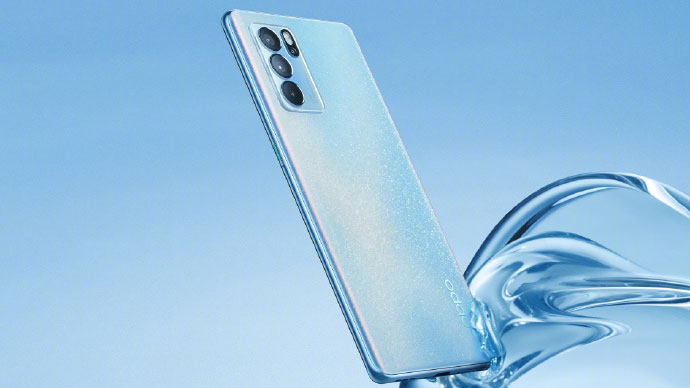
The successor to the Reno 5 series, the Reno 6 and Reno 6 Pro was unveiled in India officially. With the launch, the MediaTek Dimensity 900 also made its official debut in India and the Reno 6 took the crown as the first phone in India to feature the same. The Reno 6 uses the Dimensity 900 and the Pro model uses the Dimensity 1200.
The vanilla Reno 6 comes with a 64MP main camera, 8MP ultra-wide and a 2MP depth sensor while the Reno 6 Pro offers an additional 2MP macro sensor. Both phones come with a 32MP selfie camera. The Reno 6 packs in a 4,300mAh battery while the Reno 6 Pro brings a slightly bigger 4,500mAh battery 一 both come with a 65W fast charger. Both phones come with a 6.5-inch OLED display that features a 90Hz refresh rate with a 180Hz touch sampling rate.
Oppo Reno 6 series launched in India with MediaTek Dimensity chipsets

The Tecno Camon 17 flaunts a 6.6-inch FHD+ display with a 90Hz screen refresh rate and Camon 17 Pro comes with a 6.8-inch FHD+ 90Hz display. The Pro variant is MediaTek G95 Processor while the Camon 17 is powered by a MediaTek Helio G85 gaming processor.
In the camera department, the Camon 17 comes with a 48MP main camera and the Pro variant comes with a 64MP shooter. The Camon 17 comes with a 16 MP selfie camera while the 17 Pro comes with a 48MP selfie camera.
Lastly, both the phone features a 5,000mAh battery, but the vanilla variant features an 18W fast charge support while the Pro variant features 33W fast charge support.

Check out Tecno Camon 17 and Camon 17 Pro on Amazon
Tecno Camon 17: Rs 12,999 | Tecno Camon 17 Pro: Rs 16,999

Vivo's latest 5G offering, the Y72 5G is powered by an Octa-Core Snapdragon 480 processor and it comes with a 6.58-inch Full HD+ LCD screen with a 60Hz refresh rate. In the optics department, there is a 48MP main camera with f/1.79 aperture, and a 2MP depth camera while an 8MP camera handles the selfies.
There's a 5,000mAh battery unit with support for 18W charging and it also comes with a side-mounted fingerprint scanner and has a 3.5mm headphone port, and it comes running Android 11.
Vivo Y72 5G smartphone with Snapdragon 480 launched in India

The Redmi Note 10T is the new member of the family which is a rebranded version of the Redmi Note 10 5G which was also launched as Poco M3 Pro in India last month. The Poco M3 Pro 5G, Redmi Note 10 5G, and Redmi Note 10T 5G 一 all share the same specs. This is also the first-ever Redmi Note 10 series device with 5G in India.
The Redmi Note 10T sports a 6.5-inch Full HD+ 90Hz display and the device is powered by MediaTek Dimensity 700 SoC and sports a 5,000mAh battery with 18W fast charging. In the optics department, the Redmi Note 10T comes with a 48MP main camera, 2MP macro and a 2MP depth sensor. There is an 8MP selfie shooter on the front.
Redmi Note 10T 5G smartphone launched in India with 90Hz display and 48MP camera

The Samsung Galaxy M21 2021, launched as a part of the Amazon Prime day sale will go on sale starting July 26. The phone comes with a 6.4-inch Full HD+ Super AMOLED display and the Galaxy M21 2021 Edition will feature a big 6,000mAh with 15W charging.
The device will come with a 48MP Samsung GM2 primary sensor, an 8MP wide-angle camera, and a 5MP depth sensor. On the front, there is a 20MP shooter for selfies. On the inside, the device is powered by an in-house Exynos 9611 processor paired with up to 6GB of RAM and 128GB of internal storage. In terms of software, we expect the device to run on Android 11 based on OneUI 3.0.
Samsung Galaxy M21 2021 Edition launched: price, specs, and availability


We would not be wrong to call this one the most anticipated launch of the month. The OnePlus Nord 2 is powered by a Dimensity 1200 AI chipset with up to 12GB of RAM and 256GB of internal storage. The phone comes with a 6.43-inch FHD+ AMOLED screen with a 90Hz refresh rate. A 4,500mAh battery and a faster 65W fast charger is also included
The biggest upgrade comes in terms of optics, the Nord 2 comes with a 50MP Sony IMX766 sensor as the primary camera, an 8MP ultra-wide sensor and a 2MP mono lens. Sony IMX615 32MP shooter will handle selfies.
Read our OnePlus Nord 2 review


The Poco F3 GT is rebranded Redmi K40 Gaming phone from China, launched a couple of months ago. It is powered by Dimensity 1200 chipset and sports a 6.67-inch AMOLED screen with a 120Hz refresh rate, 480Hz touch sampling rate, HDR10+ certification, and 10-bit colour. In terms of audio, there are two stereo speakers with Sound by JBL, Dolby Atmos and Hi-Res certification.
It is a gaming-centric device with retractable shoulder buttons for gaming, a vapour chamber for thermal management, a 4D vibration motor for haptics, custom antenna placement, and more. In the camera space, the Poco F3 GT will come with a 64MP primary camera, an 8MP ultra-wide lens and a 2MP macro shooter. The phone houses a large 5,065mAh battery and supports 67W fast charging.
Read our Poco F3 GT review

The Samsung Galaxy A22 5G will sport a 6.6-inch Full HD+ LCD screen. Under the hood, the device is powered by MediaTek Dimensity 700 chipset, which also makes this the first device from Samsung to feature the Dimensity series chipset in India.
Taking care of the graphics and gaming is the Mali-G57 GPU clocked at 950MHz. The chipset also supports a 5G network. Further, the device will come with a triple rear camera setup with a 48MP + 5MP + 2MP setup and an 8MP selfie shooter. Powering the device will be a 5,000mAh battery backed by a 15W fast charger.
Samsung launches Galaxy A22 5G smartphone in India in a quiet manner
The final launch of the month was from an Indian brand 一 Micromax. The company unveiled the Micromax In 2b, successor to the Micromax In 1b from 2020. The Micromax In 2b comes with a UNISOC T610 processor with up to 6GB of RAM and 64GB of storage.
You get a 6.5-inch HD+ display and a 13MP+2MP dual rear camera along with a 5MP selfie camera. The IN 2b features a big 5,000mAh battery with a 10W fast charger. Other features include Android 11 OS, dual SIM, VoWi-Fi, VoLTE, dual-band Wi-Fi, and Bluetooth V5.0 support. It is priced at Rs 7,999 and Rs 8,999 for the 4GB+64GB and 6GB+64GB variants respectively.
Micromax In 2b launched with Unisoc T610 SoC at Rs 7,999
| Phone | Launch date | Price |
|---|---|---|
| Tecno Spark Go | July 2 | Rs 6,699 |
| Nokia G20 | July 4 | Rs 12,99 |
| Samsung Galaxy F22 | July 6 | Rs 12,499 | Rs 14,499 |
| Oppo Reno 6 | July 14 | Rs 29,990 |
| Oppo Reno 6 Pro | July 14 | Rs 39,990 |
| Tecno Camon 17 | July 15 | Rs 12,999 |
| Tecno Camon 17 Pro | July 15 | Rs 16,999 |
| Vivo Y72 | July 15 | Rs 20,990 |
| Redmi Note 10T | July 20 | Rs 13,999 | Rs 15,999 |
| Galaxy M21 2021 Edition | July 21 | Rs 12,499 | Rs 14,499 |
| OnePlus Nord 2 | July 22 | Rs 27,999 - Rs 35,999 |
| Poco F3 GT | July 23 | Rs 26,999 - Rs 30,999 |
| Galaxy A22 5G | July 23 | Rs 19,999 | Rs 21,999 |
| Micromax In 2b | July 30 | Rs 7,999 | Rs 8,999 |
Last year, Micromax returned to the Indian smartphone market with three budget devices. Today, it launched the successor to the cheapest of the lot in the form of the Micromax In 2b.
It brings a bunch of significant internal upgrades that should give it better performance. Available in two configurations, the Micromax In 2b is priced at Rs 7,999 for the 4GB+64GB variant and Rs 8,999 for the 6GB+64GB variant. It will be available on Flipkart starting August 6. Colour options include black, blue and green.
The biggest change over the In 1b comes with the chipset. Powered by the new 12nm Unisoc T610 processor, it is claimed to be 45% faster than the competition (which use MediaTek chipsets). It achieves this by opting for the new core design from ARM, with two Cortex A75s at 1.8GHz and six Cortex A55s at 1.8GHz, along with the Arm G52 GPU. The Micromax In 2b is also one of the few phones under Rs 10,000 to offer 6GB of RAM.
On the front is a 6.52-inch display with an HD+ resolution, 20:9 aspect ratio and a drop notch. It has a brightness of 400 nits and a screen-to-body ratio of 89%. On the rear is a 13MP primary camera with a 2MP secondary sensor, as well as a 5MP selfie shooter. Shooting modes include HDR, portraits, beauty mode, live photos and more.
The Micromax In 2b runs off a large 5,000mAH battery and supports 10W fast charging. The adapter and Type-C cable comes included. Other features include expandable storage, stock Android 11, dual VoLTE, Bluetooth 5.0, a physical fingerprint scanner, etc.
At the same event, the company also launched two new true wireless earbuds — the Micromax AirFunk 1 and AirFunk 1 Pro, which are priced at Rs 1,299 and Rs 2,499 respectively.
 faran follow
BLUETTI FridgePower review
Examining the ‘pipeline problem’
Easemate.ai review
How to stream Pet Shop Boys album A Man from the Future for free online from anywhere
TP-Link Archer 8 Ultra Wi-Fi 8 router is out — but it's seriously pricey
New Thor: Love and Thunder image confirms big link to Moon Knight
Diablo Immortal release times and pre-load confirmed
Southampton vs Portsmouth live streams
How to watch Singapore Grand Prix 2026: Live stream F1 sprint weekend from anywhere


Follow Us
Were this world an endless plain, and by sailing eastward we could for ever reach new distances